
How to Treat a Pimple: Patches, Spot Treatments, and Prevention
Treat an occasional pimple gently: learn when to use a hydrocolloid patch or spot treatment, what to skip, and when persistent acne needs a dermatologist.
We may earn a commission when you buy through links on this page. It never changes what we recommend.
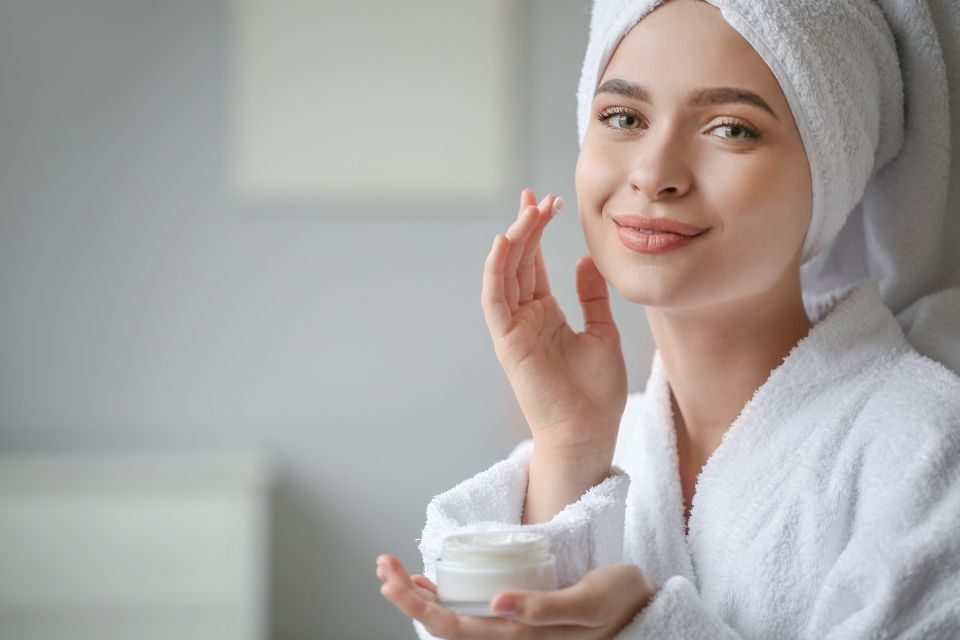
A pimple seems to arrive right when you have somewhere to be. It is tempting to squeeze it, scrub it, or layer every spot product in the cabinet, especially if you have already spent money on treatments that left your skin dry and the blemish still there.
That frustration is real, but more treatment is not automatically better. A spot on the surface and a deep, tender bump are different problems, and neither benefits from being picked.
Skin Realist check: Your pimple is not a home-improvement project. No squeezing, sanding, or throwing the entire bathroom cabinet at it.
The short answer: For a surfaced whitehead, try a hydrocolloid patch such as COSRX Acne Pimple Master Patch on clean, dry skin. For a blemish that is not ready to cover, choose one targeted treatment and give the surrounding skin a break. Painful, cystic, or persistent acne deserves a dermatologist’s advice.
Step 1: Why should you keep your hands off a pimple?
Picking can damage the skin around a blemish and prolong visible redness. It can also leave a mark, particularly when the spot becomes inflamed or repeatedly disturbed. A patch can act as a simple reminder not to touch a surfaced spot, but no patch can make picking risk-free or guarantee that a blemish disappears overnight.
Hydrocolloid dressings are designed to cover a spot and absorb fluid from a superficial, open blemish. That makes them a practical choice for a whitehead that has come to the surface, not a way to draw out a deep bump under intact skin.
Skin Realist check: A patch is a cover, not a tiny vacuum cleaner. If the bump is deep and sore, switch from DIY mode to professional advice instead of adding more layers.
If you want that hands-off reminder, COSRX Acne Pimple Master Patch is a straightforward hydrocolloid option. Its product file lists hydrocolloid as the active ingredient. Apply it to clean, fully dry skin, and replace it if it lifts or becomes saturated; don’t put it over skincare that prevents it from adhering.
Step 2: How should you cleanse an active blemish?
Wash with lukewarm water and a gentle cleanser, using your fingertips rather than a scrub, cleansing brush, or rough washcloth. Pat your skin dry. If you are applying a patch, make sure the skin directly beneath it is dry so it can stick.
You do not need to repeatedly wash one spot or try to scrub away oil. Over-cleansing can leave the surrounding skin tight and irritated, making it harder to tell whether a treatment is helping. Keep the rest of your routine familiar and avoid testing several new products at once.
Step 3: Should you choose a patch or a liquid spot treatment?
Use a patch when the blemish is surfaced and you want a physical cover. For a spot that is still closed, a leave-on product may fit better, but follow its own directions and avoid applying it close to your eyes or lips unless the label says that is safe.
For a surfaced whitehead: COSRX Acne Pimple Master Patch
The classic COSRX Acne Pimple Master Patch uses hydrocolloid and is a good first option when a blemish has come to a head. It keeps the spot covered while you go about your day or sleep, and the product file lists it as fragrance-free. It is not a treatment for every type of acne, and it will not flatten a deep cyst.
Use the smallest patch that covers the spot, on clean, dry skin. If adhesive patches tend to bother your skin, remove one gently and stop using it if you notice irritation.
→ See COSRX Acne Pimple Master Patch on Amazon
For a curved area or an ingredient-containing patch: COSRX Master Patch Intensive
COSRX Master Patch Intensive is another hydrocolloid patch option. Its listed ingredients also include salicylic acid and tea tree leaf oil, so it is not just a plain hydrocolloid cover. That may make it a better fit if you specifically want a patch with those ingredients, but it also means you should pay attention to how your skin tolerates it.
Keep it to one patch treatment at a time rather than layering a separate acid product underneath. The file does not list a skin type for this product, so patch test if you are unsure how you will react.
→ Check COSRX Master Patch Intensive on Amazon
For a low-profile daytime layer: Dermalogica deep acne invisible liquid patch
Dermalogica deep acne invisible liquid patch dries from a liquid into a film, rather than using a pre-cut adhesive dot. The product file lists 5% colloidal sulfur and 4% niacinamide, plus lactic acid, and describes it as a liquid-to-patch spot treatment. Its directions say to apply a rice-sized amount to a blemish, rub until absorbed, and let it dry for one minute.
This formula also contains several essential oils and flagged fragrance components, including limonene and linalool. Review the ingredient list if those are concerns for you, and follow the brand’s instruction to keep it away from the eyes and lips.
→ See Dermalogica deep acne invisible liquid patch on Amazon
Step 4: How can you keep the rest of your routine calm?
An inflamed-looking spot can make you want to attack it with a stronger routine. Instead, use one targeted product and keep the rest of your skin care simple. A basic moisturizer can help your skin stay comfortable while you see how the treatment works.
For a simple cream step: COSRX Centella Blemish Cream
COSRX Centella Blemish Cream features centella asiatica, which appears in both its product name and listed ingredients. The formula also lists glycerin, zinc oxide, zinc PCA, and tea tree leaf oil. If you prefer a cream rather than a patch, apply a small amount only as directed on the product.
The file does not provide a concentration or a specific skin-type recommendation, so treat it as an option to patch test—not as a guaranteed fix for a red or angry spot. It is also not a substitute for medical care when breakouts are painful or persistent.
For a lightweight serum treatment: Dermalogica Breakout Clearing Booster
Dermalogica Breakout Clearing Booster is listed as a lightweight, fast-absorbing serum booster with salicylic acid, niacinamide, tea tree leaf oil, and lactic acid. Its product file says it can be used daily, morning and night, either as a targeted treatment or as a preventive layer.
Although the file lists a range of skin types, the formula includes botanical oils and lactic acid, and its flagged ingredients include limonene. If you are sensitive to essential oils or exfoliating acids, patch test and introduce it cautiously. Do not combine it on the same spot with another strong leave-on treatment just because the texture feels light.
→ See Dermalogica Breakout Clearing Booster on Amazon
Step 5: How can you prevent recurring clogged pores?
Prevention is a routine question, not an emergency step for a single pimple. If blackheads and congestion keep returning, a leave-on beta hydroxy acid (BHA) may help exfoliate within pores over time. Introduce one exfoliant gradually, follow its label, and pause if your skin becomes irritated.
For ongoing pore congestion: COSRX BHA Blackhead Power Liquid
COSRX BHA Blackhead Power Liquid contains betaine salicylate, a BHA, along with niacinamide, panthenol, and sodium hyaluronate. The file lists it as fragrance-free and gives its size as 100 mL. This is a leave-on exfoliating liquid to consider for recurring clogged pores—not a quick fix for a pimple that has already appeared.
Start slowly rather than using it alongside every other acid in your routine. Wear sunscreen during the day, and skip the liquid on broken or irritated skin.
What order should you follow for a pimple?
- Wash gently and pat dry.
- If the blemish is surfaced, choose one hydrocolloid patch and apply it to dry skin. If it is not surfaced, choose one suitable leave-on treatment instead.
- Leave the spot alone; do not squeeze, pick, or scrub it.
- Moisturize the rest of your face as usual. In the morning, use sun protection.
- For recurring congestion, consider adding a BHA gradually on a separate schedule—not as another layer on an irritated spot.
What mistakes can make a pimple harder to manage?
- Squeezing or using a needle: this can injure nearby skin and increase the chance of a lingering mark.
- Putting a patch on a deep bump: a hydrocolloid cover works best on a surfaced spot and cannot reach a closed, painful bump.
- Stacking spot treatments: multiple acids or treatments on the same area can irritate skin without making the spot resolve faster.
- Scrubbing or repeatedly cleansing: friction and over-washing can leave the surrounding skin uncomfortable.
- Treating persistent acne alone: painful, cystic, scarring, or ongoing breakouts are reasons to talk with a dermatologist.
The bottom line: match the treatment to the spot
For an occasional surfaced whitehead, start with a simple hydrocolloid cover and a hands-off approach. For a closed blemish, choose one leave-on treatment that suits your routine, and use a BHA only for ongoing congestion—not as a spot-treatment shortcut.
If you only try one product for a surfaced spot, make it COSRX Acne Pimple Master Patch. If breakouts are painful, cystic, leave scars, or keep returning, see a dermatologist. Browse more options in pimple patches and spot treatments, explore acne exfoliating liquids, or see the wider COSRX range.
Common questions
Do pimple patches work on every kind of pimple?
A hydrocolloid patch is most useful on a surfaced blemish. It does not reach a deep, painful bump, so avoid squeezing one and seek professional advice if it persists.
Should I use a patch and a spot treatment together?
Start with one approach on a spot. A patch covers the skin, while leave-on treatments use active ingredients; layering multiple treatments can irritate the surrounding skin.
Can I pop a pimple before applying a patch?
No. Picking or squeezing can increase irritation and the chance of a lingering mark. Apply a patch to clean, dry skin instead.
When should I see a dermatologist about acne?
See a dermatologist for painful, cystic, scarring, or persistent acne, or if over-the-counter care is not helping.