Butylene Glycol Dicaprylate/Dicaprate
What butylene glycol dicaprylate/dicaprate does in skincare, how this emollient ester affects texture, and who may prefer its feel.
Extremely safeIn 5 products we cover
We may earn a commission when you buy through links on this page. It never changes what we recommend.
Quick facts
- INCI name
- Butylene Glycol Dicaprylate/Dicaprate
- Origin
- Plant-derived or Synthetic
- Chemical class
- Fatty-acid ester emollient
- What it does in a formula
- emollient, skin conditioning, solvent
- Why it is in the formula
- It gives creams and makeup a smooth, lightweight emollient feel and helps ingredients spread.
What it is
Despite sharing part of its name with butylene glycol, butylene glycol dicaprylate/dicaprate is an oil-soluble ester emollient formed with caprylic and capric fatty acids. Formulators use it to improve slip and spread across skincare and makeup formulas. Although its fatty acid building blocks can originate from plant oils, product labels do not specify the exact raw material origin or chemical route.
This ingredient is a helper rather than a headline active. You may find it in moisturizers, sunscreens, and complexion products where a smooth, lightweight emollient feel is useful. It can soften skin and help a product glide without necessarily giving the same finish as a heavier oil or butter. The complete formula, including waxes, powders, and other emollients, determines the final texture.
What it does
- Softens the skin. It works as an emollient and can leave a smooth, conditioned feel.
- Improves spread. Its slip helps creams and makeup distribute more evenly with less drag.
- Supports the oil phase. It can help dissolve or carry oil-soluble ingredients in the formula.
Who it suits
This ester is used in products for different skin types because its role is largely about texture. If you like a lightweight, smooth finish, a product containing it may be appealing. If you prefer a richer, more occlusive feel, a formula with heavier oils or waxes may suit you better. The ingredient name does not predict how the complete product will feel or whether it will clog pores.
No ingredient-only comedogenicity score can reliably forecast a finished formula’s behavior. Look at the product as a whole and how your skin responds to it. People with a known sensitivity to any ingredient should check the label and patch-test a new leave-on product. If you have recurring reactions, a dermatologist can help identify possible triggers.
What to pair it with, and what not to
Butylene glycol dicaprylate/dicaprate does not have a special pairing requirement. It is already part of the moisturizer, sunscreen, or makeup formula. Layer products according to their directions and choose the overall texture you prefer, rather than seeking this ester out as an active.
Skin Realist check: A pleasant texture is a real formula job, even if it does not deserve a medal. Your moisturizer can just feel nice and get on with it.
Quick picks with Butylene Glycol Dicaprylate/Dicaprate
Scent-free, no patch-test flags on the label
Laneige Cica Sleeping Mask with Centella Asiatica for Moisture Barrier Support
Centella asiatica, madecassoside, panthenol, squalane, niacinamide · normal, dry, combination, sensitive skin · scent-free label
AmazonFeatured in our guides
COSRX The Ceramide Skin Barrier Moisturizer
scent-free label
Amazon
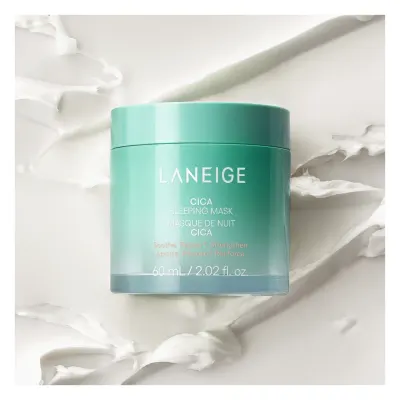

All 5 products with Butylene Glycol Dicaprylate/Dicaprate
Premium Overnight Recovery Packs & Sleeping Facials (1)
Skin Barrier Repair Creams & Recovery Jars (1)
Daily Moisturizers & Water Gel Creams (1)

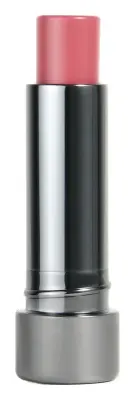
Blush, Bronzers & Highlighters (1)
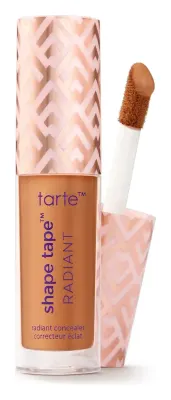
High-Definition Camouflage Concealers (1)
Common questions
What does butylene glycol dicaprylate/dicaprate do?
It is an emollient ester that helps soften skin and improve spread. It can give creams and makeup a smooth, lightweight feel.
Is butylene glycol dicaprylate/dicaprate the same as butylene glycol?
No. It is an ester made from butylene glycol and fatty acids, not the same ingredient as butylene glycol itself. Their names overlap, but their formula roles and textures differ.
Is this ingredient a plant oil?
It is an ester emollient, not a whole plant oil. Its raw materials may be plant-derived, but the ingredient is processed and the label does not specify sourcing.
Is it comedogenic?
There is no reliable ingredient-only rating that predicts how a finished product will behave on your skin. Consider the whole formula and whether its finish feels comfortable to you.