Carnauba Wax
What carnauba wax does in skincare and makeup, where the wax comes from, and how it helps a product hold its shape.
Extremely safeIn 15 products we cover
We may earn a commission when you buy through links on this page. It never changes what we recommend.
Quick facts
- INCI name
- Copernicia Cerifera Cera
- Origin
- Plant-derived
- Chemical class
- Plant wax
- What it does in a formula
- viscosity controlling, film forming, skin conditioning
- Why it is in the formula
- It thickens balms and sticks, supports structure, and can leave a protective-feeling film.
What it is
Harvested from the fronds of the Brazilian carnauba palm (Copernicia prunifera), carnauba wax is a hard, high-melting plant wax used to build structure in cosmetics. On ingredient labels, it appears as Copernicia Cerifera Cera or Copernicia Cerifera (Carnauba) Wax. Because it is collected from leaf surfaces and refined, it is distinct from palm kernel oil and provides essential firmness to sticks, pots, and balms.
What it does
- Adds structure. Carnauba wax thickens balms and helps sticks stay solid rather than soft or runny.
- Creates a smooth film. It can leave a light surface coating that improves glide and helps a product feel protective.
- Changes product texture. It contributes firmness and a dry, smooth finish in some formulas. It is a supporting ingredient, not the reason to buy a product.
Who it suits
Carnauba wax is common in products where a solid texture matters, including balms, lip products, makeup, and some moisturizers. It can suit people who like a structured balm or stick, while a wax-rich product may feel too heavy or occlusive to someone who prefers a light lotion. That preference depends on the full formula and how much product you use, not on the wax name by itself.
This is a plant-derived wax, not beeswax, but that does not tell you whether every other ingredient in a product is vegan or how the wax was sourced. If you have a known sensitivity to botanical materials, review the full formula and introduce a new product carefully. Comedogenicity charts are not reliable predictors for waxes in finished products. If a product causes persistent irritation, stop using it and ask a dermatologist about recurring symptoms.
What to pair it with, and what not to
Carnauba wax is usually blended with oils, butters, and other waxes to make a balm or stick. It does not need an active pairing. If a wax-based product feels too heavy, choose a lighter cream instead of trying to offset the texture with multiple layers.
Skin Realist check: A balm needs some backbone. A wax that gives it one is more useful than glamorous, and that is perfectly fine.
How it appears on labels: Copernicia Cerifera Cera; Copernicia Cerifera (Carnauba) Wax
Quick picks with Carnauba Wax
Scent-free, no patch-test flags on the label
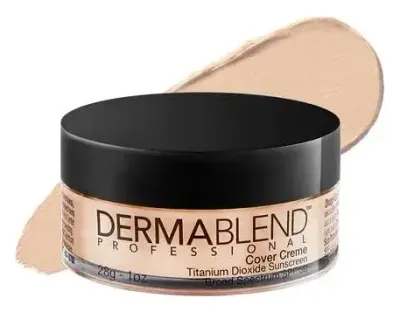
Dermablend Cover Creme
scent-free label
AmazonFeatured in our guides
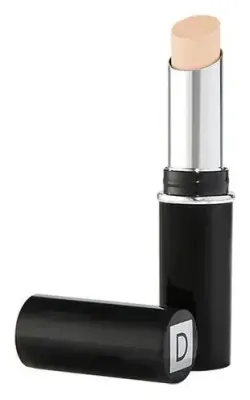
Dermablend Quick-Fix® Concealer
scent-free label
Amazon
All 15 products with Carnauba Wax
Eye Shadows, Liners, Mascara & Brow Makeup (6)
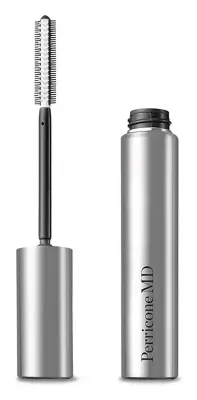 Perricone MD No Makeup MascaraAmazon
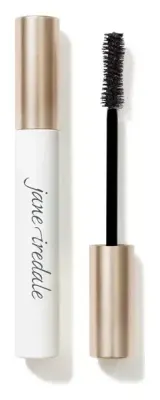 Jane Iredale Beyond Lash Volumizing MascaraAmazon
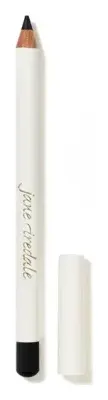 Jane Iredale Eye PencilAmazon
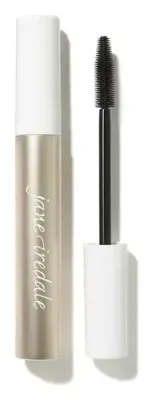 Jane Iredale Lash Fixation Length & Definition Tubing MascaraAmazon
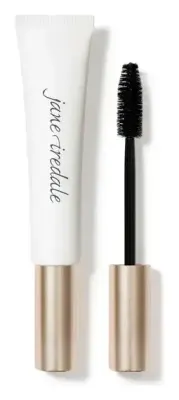 Jane Iredale Longest Lash Thickening and Lengthening MascaraAmazon
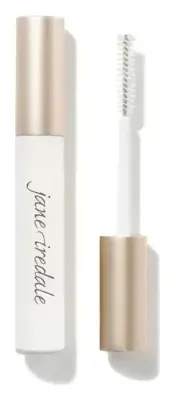 Jane Iredale PureLash Lash Extender & ConditionerAmazon
High-Definition Camouflage Concealers (4)
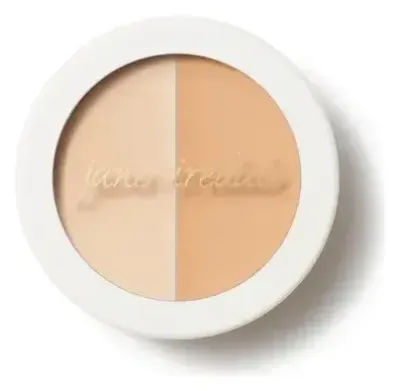

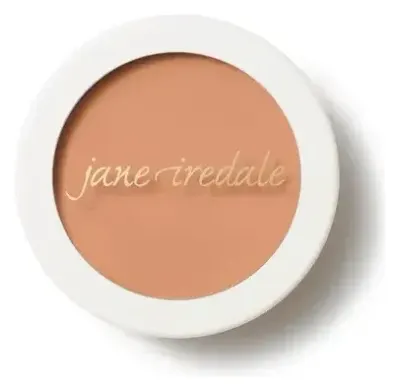
Intensive Lip Recovery Masks & Tinted Balms (2)
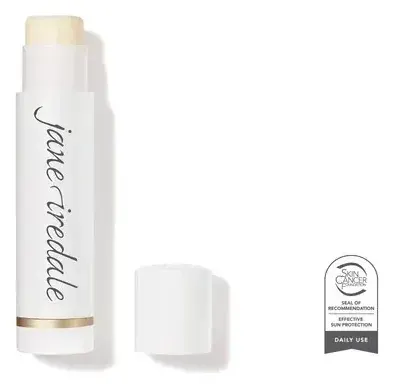
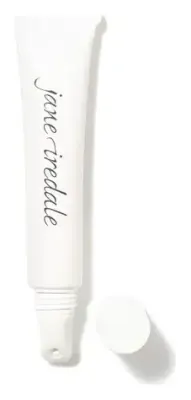
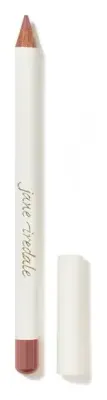
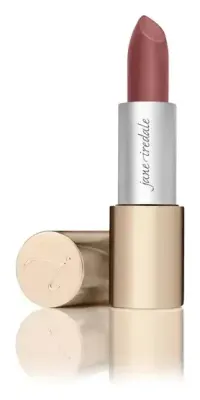
Lipsticks, Glosses & Lip Liners (2)
Full-Coverage Camouflage & Liquid Foundations (1)
Common questions
What is carnauba wax made from?
Carnauba wax is collected from the leaves of the carnauba palm, Copernicia prunifera, native to northeastern Brazil. The cosmetic label names the wax, not the harvesting or refining details.
What does carnauba wax do in skincare?
It thickens and structures balms, lip products, and sticks so they hold their shape. It can also contribute a smooth film and reduce the product's tendency to feel runny.
Is carnauba wax vegan?
Carnauba wax is plant-derived, so the ingredient itself is not an animal wax. The rest of a product may contain other ingredients, and manufacturing details can vary.
Does carnauba wax clog pores?
No single ingredient score reliably predicts how a finished product will behave on everyone's skin. A wax-heavy balm may feel occlusive, so choose the format that suits your preferences and stop if it does not agree with you.