Homosalate
What homosalate does as a sunscreen filter, how it contributes to a formula, and what to know about SPF and local rules.
Probably fineIn 2 products we cover
We may earn a commission when you buy through links on this page. It never changes what we recommend.
What it is
Homosalate is an organic sunscreen filter used mainly to absorb UVB radiation. It is one of several ingredients that can contribute to a sunscreen’s overall formula. The level of protection is not something you can determine from the ingredient list alone; it belongs to the finished product and its SPF label. Regulators review sunscreen filters, and rules about which filters are permitted, and under what conditions, differ by country.
What it does
- Absorbs UVB rays. Homosalate is used as a UVB filter in some sunscreen formulas.
- Contributes to a combination. Sunscreens may use more than one filter to formulate a finished product with its labeled protection and feel.
- Helps shape the product. As part of the formula, it can be included in different types of sunscreen, such as lotions or creams.
- Does not define SPF on its own. An ingredient name or its place in the list cannot tell you the SPF rating of the product.
Who it suits
Homosalate is relevant if you want to understand the filters listed in a sunscreen you are considering. It is the finished formula’s texture, finish, SPF label, and directions that help you decide whether you will use the product as intended. The rules for sunscreen filters differ around the world, and local regulators review ingredients under local requirements. Follow the labeling for the product sold where you live. If your skin is sensitive, remember that a sunscreen contains more than its filters, and any part of the formula could be relevant to a reaction. Patch-test if you usually do so with new cosmetics, and ask a dermatologist about persistent irritation.
What to pair it with, and what not to
Use homosalate-containing sunscreen only as a finished SPF-labeled product, following directions for application and reapplication. No special pairing is necessary. A moisturizer or makeup ingredient list that happens to include a filter does not automatically mean the product is intended or labeled for sun protection. If you wear makeup, put sunscreen on as directed and do not rely on incidental filter ingredients in the makeup. For a practical overview of sunscreen use, read the daily sunscreen guide.
Skin Realist check: Sunscreen labels can be a lot of small print for one face. Start with a product you like using, then let its directions do their job.
How it appears on labels: Homosalate; Homosalate (5.0%)
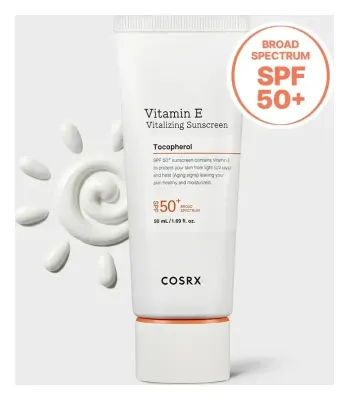
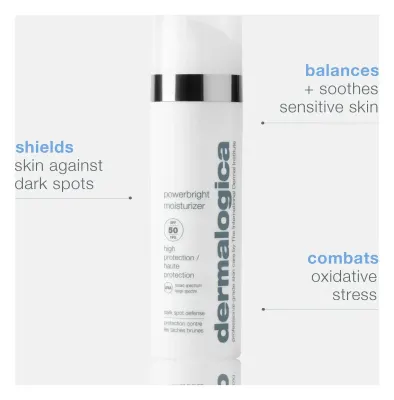
All 2 products with Homosalate
Daily Sunscreens & SPF Moisturizers (2)
Common questions
What is homosalate used for?
Homosalate is an organic UV filter used in some sunscreens, primarily to absorb UVB rays. Its presence alone does not establish a product's protection level; check the finished sunscreen's SPF label.
Is homosalate permitted in all countries?
No single set of sunscreen-filter rules applies everywhere. Regulators review filters and countries can differ in which filters they permit and the conditions for use.
Can homosalate cause a skin reaction?
Any sunscreen formula may not suit everyone, and a reaction can involve ingredients beyond homosalate. Review the full label and consider patch-testing a new product if you tend to react.
Does homosalate alone protect my skin from the sun?
No. Use a finished product labeled with an SPF, and follow its application and reapplication directions. The ingredient list is not a substitute for the product's sun-protection labeling.