Lauroyl Lysine
What Lauroyl Lysine does in skincare, its usual role in cosmetic formulas, who may prefer it, and what to know before using it.
Extremely safeIn 11 products we cover
We may earn a commission when you buy through links on this page. It never changes what we recommend.
Quick facts
- INCI name
- Lauroyl Lysine
- CAS number
- 52315-75-0
- Origin
- Synthetic
- Chemical class
- Amino acid-derived fatty acid amide
- What it does in a formula
- skin conditioning, slip modifier, binding
- Why it is in the formula
- Usually used to improve slip and softness, particularly in makeup and powder formulas.
What it is
A powdery, amino-acid-derived material, lauroyl lysine is made by combining the amino acid lysine with lauric acid. Formulators use it mainly for its soft, silky feel. It appears most often in makeup and powder products, though other cosmetic formulas can include it as well.
Despite being listed in the active section of an ingredient index, it is generally a texture and conditioning ingredient rather than a conventional skin treatment. It can help powders spread and sit more evenly. The ingredient list does not tell you how much is present or how much it contributes beside other formula components.
What it does
- Improves slip. It can help a powder or cream glide over skin with less drag.
- Adds a soft finish. It contributes a smooth, silky feel to makeup and other products.
- Helps powders perform. It may improve how powder pigments distribute in a formula.
This ingredient is a supporting part of a finished formula. Its contribution can vary with product type, manufacturing, and other materials used alongside it. Ingredient lists are not concentration labels, so they cannot tell you how strong a particular effect will be.
Who it suits
Lauroyl lysine is usually selected for product feel rather than a targeted skin benefit. It can appear in complexion products used by different skin types. If you are prone to irritation, consider the whole product and patch-test a new formula; the amino-acid connection does not mean it functions like a treatment serum.
The overall texture and the rest of the ingredient list matter as much as this one name. If a new product causes persistent discomfort, stop using it and ask a dermatologist for advice. Patch-testing can help you introduce unfamiliar formulas more cautiously.
What to pair it with, and what not to
No special pairing is needed. It can be part of a makeup formula alongside pigments, emollients, and binders. Use the product as directed, and pair makeup with a cleanser that removes it comfortably at the end of the day. There is no need to build a routine around this ingredient alone. Choose compatible textures, follow product directions, and let the complete formula do its intended job.
Skin Realist check: Makeup that blends without a wrestling match is already doing useful work.
Quick picks with Lauroyl Lysine
Scent-free, no patch-test flags on the label
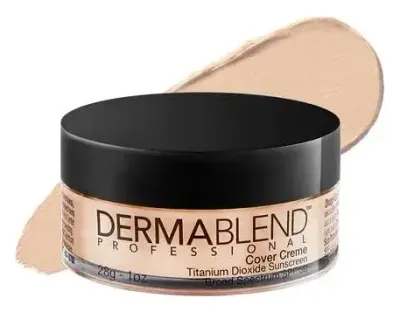
Dermablend Cover Creme
scent-free label
AmazonFeatured in our guides
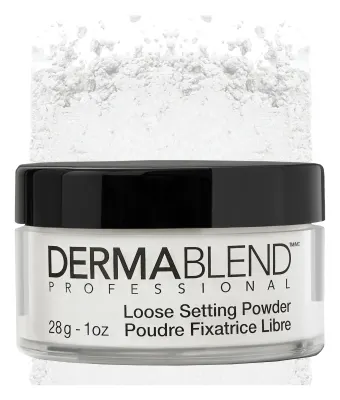
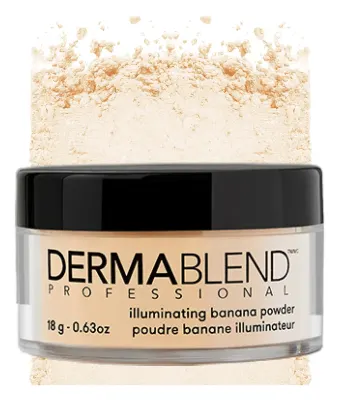
Dermablend Loose Setting Powder
scent-free label
Amazon
All 11 products with Lauroyl Lysine
Full-Coverage Camouflage & Liquid Foundations (3)
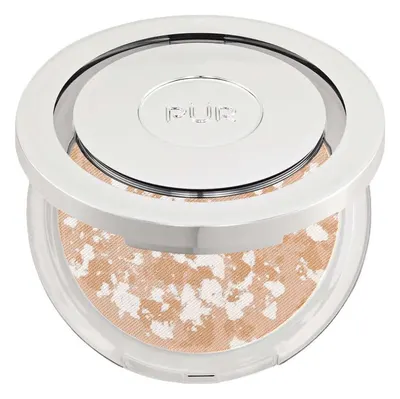
Mineral Pressed Powders & Skin-Nourishing Primers (3)
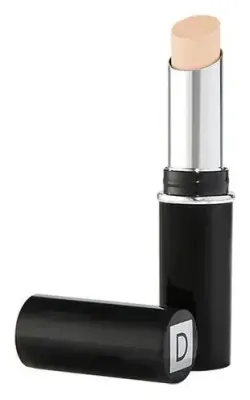
High-Definition Camouflage Concealers (2)
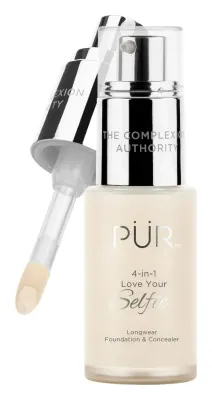
Body Creams, Butters & Body Oils (1)

Sheet, Hydrogel & Clay Masks (1)

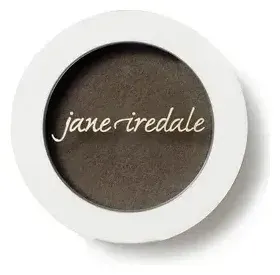
Eye Shadows, Liners, Mascara & Brow Makeup (1)
Common questions
What does lauroyl lysine do in makeup?
It helps improve slip, softness, and the way powders spread. It is mainly a texture and conditioning ingredient.
Is lauroyl lysine an amino acid?
It is an amino-acid-derived ingredient made from lysine and lauric acid. Its behavior is not the same as applying free lysine to skin.
Is lauroyl lysine an active?
It is generally used as a conditioning and texture ingredient rather than a conventional active treatment. Its presence alone does not promise a particular skin result.