Octocrylene
What octocrylene does in sunscreen, how it fits into a formula, who may choose it, and why SPF directions matter.
Probably fineIn 2 products we cover
We may earn a commission when you buy through links on this page. It never changes what we recommend.
What it is
Octocrylene is an organic UV filter found in some sunscreen formulas. Like other sunscreen filters, it is one part of a finished product rather than a standalone measure of how much protection you get. It is used to absorb ultraviolet radiation and may also help stabilize certain other filters in a formulation. Regulators review sunscreen filters, but which filters are permitted and the rules for their use differ from country to country.
What it does
- Absorbs UV radiation. Octocrylene contributes UVB protection and can absorb some UVA rays when used in a sunscreen formula.
- Supports other filters. It may help stabilize certain filters in a finished product, depending on the formula.
- Contributes to the final SPF. The SPF belongs to the tested product as a whole. You cannot work it out from the ingredient list or the presence of octocrylene alone.
- Affects formula design. Sunscreen makers use filters in combinations to create a product with particular protection and cosmetic feel.
Who it suits
Octocrylene may be useful to know about when comparing sunscreen ingredient lists. Products containing it come in different textures and finishes, so the best fit depends partly on whether you will use the formula consistently and as directed. If you have sensitive skin, check the whole list rather than assuming one filter explains how a product will feel. Reactions can have different causes, and individual experience varies. A small-area patch test is a practical way to try a new cosmetic if you are concerned. Sunscreen rules differ across countries, as do the filters available locally; regulators review them under their own requirements. Ask a dermatologist about recurring irritation or other skin concerns.
What to pair it with, and what not to
Follow the directions on the finished SPF-labeled sunscreen, including instructions about application and reapplication. Octocrylene does not need a special skincare ingredient alongside it. Do not infer that a moisturizer or makeup product provides sun protection just because its ingredient list contains a UV filter; use only a product labeled with an SPF for that purpose. If you layer skincare, let each step settle in a way that feels comfortable, then apply sunscreen according to its label. See the daily sunscreen guide for more on choosing and using sunscreen.
Skin Realist check: A sunscreen you actually reach for beats an imaginary perfect one. Let comfort and the label guide the decision, not a comment section's certainty.
How it appears on labels: Octocrylene; Octocrylene (8.0%)
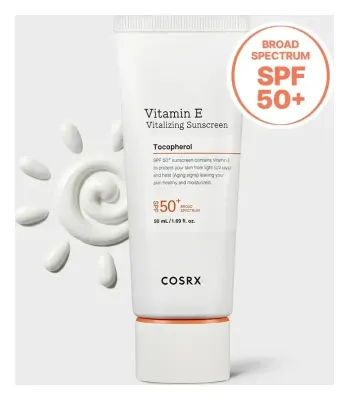
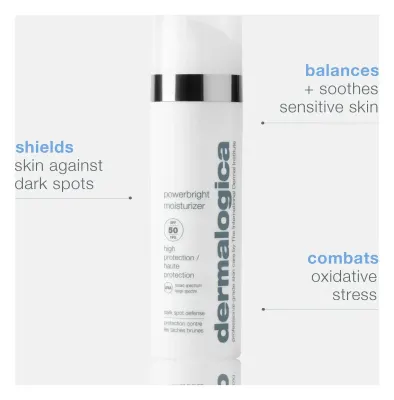
All 2 products with Octocrylene
Daily Sunscreens & SPF Moisturizers (2)
Common questions
What does octocrylene do in sunscreen?
Octocrylene is an organic UV filter used in sunscreen. It can help protect against UVB and some UVA rays, and it may also help stabilize other filters in a formula.
Is octocrylene allowed everywhere?
Sunscreen filters are reviewed by regulators, and the filters allowed and rules for their use differ by country. Check local product labeling and requirements for the sunscreen you choose.
Can octocrylene irritate skin?
Some people may react to a sunscreen, and the full formula can matter. Check the ingredient list and patch-test a new product if you are prone to reactions; consult a dermatologist about persistent irritation.
How should I use sunscreen with octocrylene?
Use a finished sunscreen labeled with an SPF, and follow the label for how much to apply and when to reapply. The ingredient name alone does not tell you the product's protection rating.