Red 30 Lake (CI 73360)
What Red 30 Lake does in makeup, how color additives help match shades, and how U.S. approval and batch certification work.
Extremely safeIn 5 products we cover
We may earn a commission when you buy through links on this page. It never changes what we recommend.
Quick facts
- INCI name
- CI 73360
- Origin
- Synthetic
- Chemical class
- Organic lake pigment
- What it does in a formula
- colorant
- Why it is in the formula
- Added as a red pigment to create or adjust a product's shade.
- Regulatory notes
- U.S. color additives must be FDA-approved for their intended cosmetic uses; some colors, including certain D&C dyes and lakes, require batch certification.
What it is
On cosmetic labels, Red 30 Lake identifies an insoluble red lake pigment used to impart color to makeup. Also designated as CI 73360 and known in the United States as D&C Red No. 30 Lake, it is made by precipitating a soluble dye onto an insoluble substrate so the color behaves reliably as a pigment.
Color additives are not just decorative extras in makeup. They help formulators build shades that suit different skin tones, undertones, and product styles. Red 30 Lake can be one color in a blend, rather than the only pigment responsible for a finished shade. The ingredient list tells you it is present, but not its amount or the exact shade contribution.
What it does
- Adds red color. The pigment contributes red tones in a product’s color blend.
- Supports shade matching. Formulators can combine it with other approved pigments to create a desired shade range.
- Helps keep pigment in place. Lake pigments are insoluble, a useful property in formulas where bleeding or migration of a soluble dye would be undesirable.
- Does not act as an active. Its primary purpose is the product’s color, not a skin benefit.
Who it suits
If you are choosing makeup by shade, Red 30 Lake is one clue about the color system, but it cannot tell you whether a foundation or lipstick will match. The whole pigment blend, undertone, coverage, and how the product looks on your skin all matter. Try the finished shade in natural light when possible.
In the United States, color additives must be FDA-approved for their intended uses. Some color additives also require batch certification, while others are exempt from that certification. Both categories still have requirements and restrictions. Names on labels may use a CI number or an FDA color name, so people comparing ingredients may want to search for both. If you have a known sensitivity to a color additive, check the complete label and follow medical advice you have received.
What to pair it with, and what not to
There is nothing to pair with this pigment for a skincare effect. Choose a makeup product for its shade and finish, then remove it according to its directions. Do not infer a product’s skin benefits from a colorant in the ingredient list.
Skin Realist check: Color matching is not a skincare benefit. It is still the reason your lipstick is the color you picked.
Quick picks with Red 30 Lake
Scent-free, no patch-test flags on the label
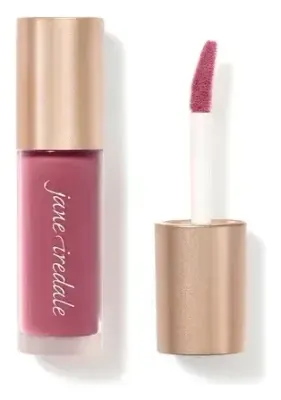
Jane Iredale Beyond Matte Lip Stain
Isododecane, safflower seed oil, vanilla fruit extract · scent-free label
AmazonFeatured in our guides
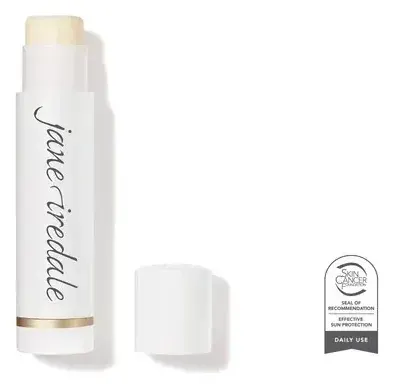
Jane Iredale LipDrink Lip Balm SPF 15
scent-free label
Amazon
All 5 products with Red 30 Lake
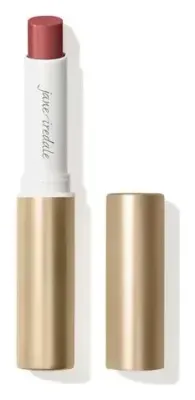
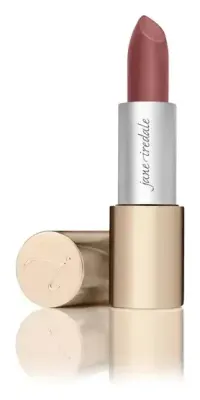
Lipsticks, Glosses & Lip Liners (3)
Intensive Lip Recovery Masks & Tinted Balms (1)
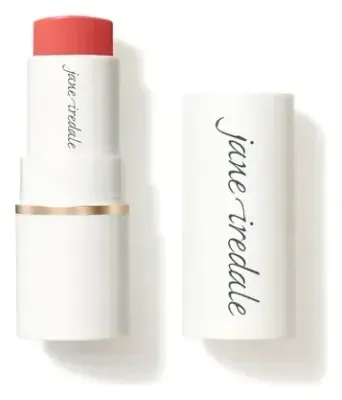
Blush, Bronzers & Highlighters (1)
Common questions
What is Red 30 Lake in makeup?
Red 30 Lake is a red cosmetic color additive, identified in ingredient lists as CI 73360 or by its U.S. color name. It helps give makeup its shade.
Why does makeup contain Red 30 Lake?
It provides red pigment that can be blended with other colorants to create a product shade. Shade matching depends on the full pigment blend and the product's base.
Is Red 30 Lake FDA approved?
U.S. color additives must be approved for their intended uses, and some require FDA batch certification. Approval and restrictions can depend on the specific color and product use, so manufacturers must follow the applicable rules.
Does Red 30 Lake improve skin?
Its usual job is color, not skincare. It is included to tint makeup or another cosmetic product rather than to change the skin itself.