Silica Silylate
What silica silylate does in cosmetics, how it helps control shine and texture, and why it is not a skincare active.
Extremely safeIn 7 products we cover
We may earn a commission when you buy through links on this page. It never changes what we recommend.
Quick facts
- INCI name
- Silica Silylate
- Origin
- Mineral or Synthetic
- Chemical class
- Surface-treated silica
- What it does in a formula
- absorbent, viscosity controlling, opacifying
- Why it is in the formula
- Used to absorb oil and tune a product's texture, especially in makeup and anhydrous formulas.
What it is
Unlike unmodified mineral silica, silica silylate is a surface-treated powder engineered to change how fine silica particles interact with cosmetic oils and liquids. Formulators use it to control flow, build body, or influence product finish. It is a technical texturizing ingredient rather than a targeted skincare active.
You may see it in powders, primers, foundations, and products where a dry or soft-focus finish is desired. It can also help thicken or stabilize formulas, especially those with oils. Its use is about how the product handles and looks, not a promise to erase pores or control oil production over the long term.
What it does
- Absorbs some oil. The powder can help reduce excess shine at the surface of a cosmetic.
- Adjusts texture. It can make a product feel drier, silkier, or more powder-like.
- Helps create a soft-focus look. In makeup, diffusing the appearance of shine can make texture look less noticeable temporarily.
- Supports formula stability. It can help thicken or suspend components in some products.
Who it suits
If you prefer a matte or blurred makeup finish, silica silylate may be part of a formula with that effect. If you prefer dewy products, it may not be the finish you want. The overall blend matters, so the ingredient name alone will not tell you exactly how a foundation or primer wears.
People with sensitive skin can react to any formula, and loose powders can be messy if inhaled. Use makeup as directed and avoid breathing in airborne powder. If a product causes persistent irritation, stop using it. A powder designed to absorb surface oil is not a replacement for a moisturizer if your skin feels dry, and it does not change pore size.
What to pair it with, and what not to
There is no special active ingredient to pair with silica silylate. It is a supporting ingredient inside a cosmetic, so choose the product for its finish and apply it as directed. If you use a drying-feeling powder, keep the rest of your routine comfortable with a moisturizer that suits you.
Skin Realist check: A soft-focus finish is a makeup effect, not a requirement for having pores.
Quick picks with Silica Silylate
Scent-free, no patch-test flags on the label
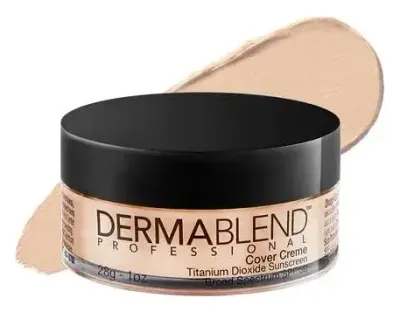
Dermablend Cover Creme
scent-free label
AmazonBrand lists it for sensitive skin
Dermalogica skinperfect primer spf30
Argan oil, peptides, sodium hyaluronate, vitamin E · normal, dry, combination, oily, sensitive skin · scented
AmazonFeatured in our guides
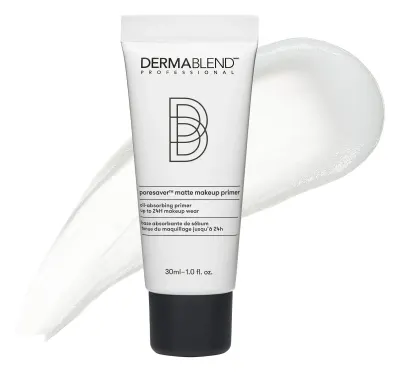
Dermablend Poresaver® Matte Makeup Primer
scent-free label
Amazon

All 7 products with Silica Silylate
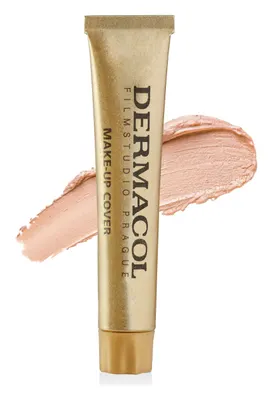
Full-Coverage Camouflage & Liquid Foundations (2)
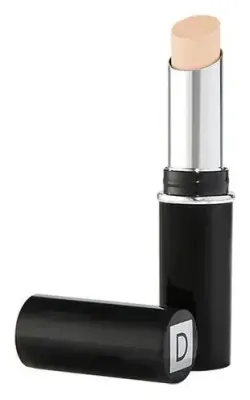
High-Definition Camouflage Concealers (2)
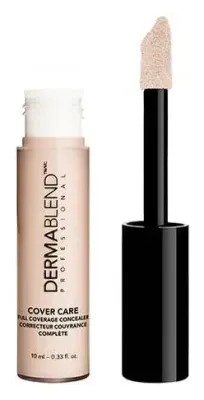
Daily Sunscreens & SPF Moisturizers (2)
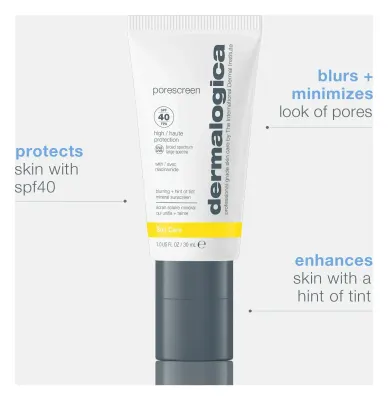
Mineral Pressed Powders & Skin-Nourishing Primers (1)
Common questions
What is silica silylate in makeup?
Silica silylate is a surface-treated silica powder used to affect texture, absorb oil, and help control shine in cosmetics.
Does silica silylate blur pores?
It can help a makeup formula create a soft-focus or less shiny appearance. It does not change pore structure, and the visible effect depends on the finished product.
Is silica silylate the same as silica?
They are related silica-based materials, but silica silylate has been chemically surface-treated to change how it behaves in a formula. Do not assume the two names are interchangeable.
Is silica silylate a plastic?
It is a modified silica powder, not a conventional plastic polymer. Its presence is mainly about formula texture and oil absorption.