Zinc Oxide
What zinc oxide does in sunscreen and makeup, who it may suit, and how to tell when a product offers sun protection.
Extremely safeIn 3 products we cover
We may earn a commission when you buy through links on this page. It never changes what we recommend.
What it is
Zinc oxide is an inorganic mineral ingredient used in cosmetics and sunscreen. On an ingredient list, its presence alone does not tell you what job it performs. In a sunscreen labeled with an SPF, zinc oxide may act as a mineral UV filter. It is also used in makeup and other cosmetics for color, opacity, coverage, or texture. The role depends on the product and its labeling, not just the ingredient name.
What it does
- Helps protect from UV in sunscreen. In a finished sunscreen, zinc oxide helps filter ultraviolet rays. Look for an SPF label and follow directions for application and reapplication.
- Adds opacity or pigment. Makeup may use zinc oxide to make a product more opaque or adjust how it looks on skin. That use is not a substitute for sunscreen.
- Can affect the finish. Mineral formulas may leave a pale cast, depending on the product, how much you apply, and your skin tone.
- Appears in different kinds of formulas. It can be included in sunscreen, complexion makeup, and other cosmetics, with different functions in each.
Who it suits
Zinc oxide sunscreen is an option for people who prefer a mineral-filter formula. The texture and finish vary: some products feel more noticeable or leave a cast, while others are made to blend more easily. The rest of the formula matters too, especially if your skin is reactive to particular ingredients. Consider a small-area test if you are unsure how a product will feel. If you choose it for sun protection, use a product labeled with an SPF and follow its directions. Cosmetics containing zinc oxide without an SPF claim should not be counted as sun protection. A dermatologist can help with persistent skin concerns or product reactions.
What to pair it with, and what not to
Pair an SPF-labeled zinc oxide sunscreen with a routine you can keep up with, and apply it as directed. Makeup can go over sunscreen, but do not assume its zinc oxide content replaces a separate sunscreen unless the makeup itself is labeled with an SPF and used as directed. For tips on selecting and applying sunscreen, see the daily sunscreen guide. If mineral makeup is what you are comparing, mineral makeup for sensitive skin offers related context. There is no special ingredient pairing required; focus on how the finished formula works for you.
Skin Realist check: A white cast is a finish, not a personality test. If you like the formula and will apply enough of it, that counts for more than chasing a perfect label.
How it appears on labels: Zinc Oxide; Zinc Oxide 15.6%
All 3 products with Zinc Oxide
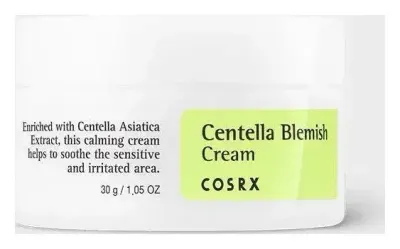
Pimple Patches & Overnight Spot Treatments (1)
Mineral Pressed Powders & Skin-Nourishing Primers (1)

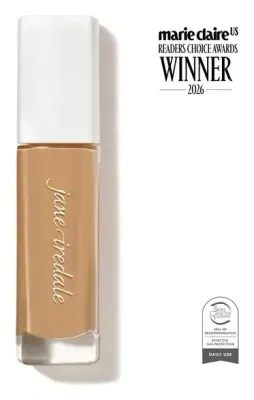
Full-Coverage Camouflage & Liquid Foundations (1)
Common questions
What does zinc oxide do in skincare?
Zinc oxide can serve as a mineral UV filter in sunscreen, where it helps protect against UVA and UVB when the finished product is labeled with an SPF and used as directed. It can also appear in makeup for pigment or texture purposes, which does not by itself make that product sunscreen.
Does zinc oxide leave a white cast?
It can, especially in formulas that leave a visible film or on deeper skin tones. The amount of cast varies with the formula, application, and skin tone, so a sample or swatch can help you judge the finish.
Is zinc oxide suitable for sensitive skin?
Many people find zinc oxide formulas comfortable, but the full formula matters and individual reactions vary. Check the other ingredients and patch-test a new product if you tend to react to cosmetics.
Does zinc oxide in makeup protect against the sun?
Not automatically. Only use a product labeled with an SPF for sun protection, and apply and reapply it as directed on its label.