How to Care for Dry, Chapped Lips: A Gentle Daily Routine
Learn what can keep lips dry, when to skip exfoliation, and how to build a simple daytime and overnight lip-care routine.
We may earn a commission when you buy through links on this page. It never changes what we recommend.
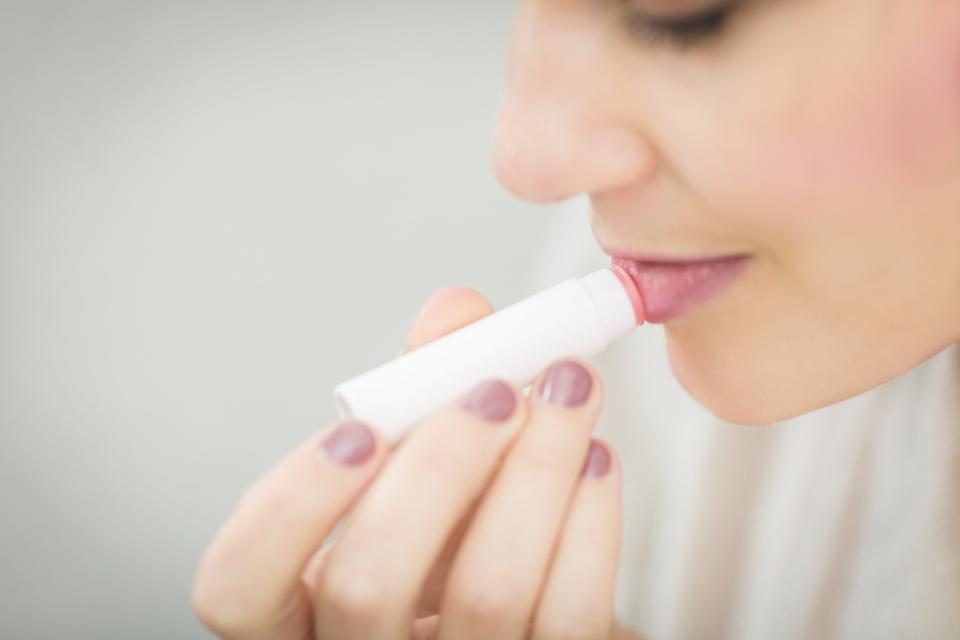
You keep reaching for lip balm, but your lips still feel tight and look flaky. Maybe the dryness comes back after lunch, or one rough patch keeps tempting you to pick at it. It is a small discomfort that can become surprisingly hard to ignore.
More product is not always the answer. Repeated licking or picking can keep irritating the surface, and a product that contains fragrance or a flavoring ingredient may not suit lips that are already sensitive. Start by reducing friction and choosing fewer products, not by adding a complicated routine.
The short answer: Stop licking and picking, pause scrubs while your lips are cracked or sore, use a lip product you tolerate, and protect your lips from sun exposure. For night, Laneige Lip Sleeping Mask is an overnight leave-on option; its ingredient list includes fragrance and coconut oil, so skip it if those ingredients bother your lips. For daytime sun protection, Jane Iredale LipDrink Lip Balm SPF 15 is labeled SPF 15.
Why do lips stay dry and chapped?
Lips can feel dry for several reasons, including weather, indoor air, sun exposure, frequent licking, and contact with products that do not agree with you. When lips feel tight, licking may seem like a quick fix; the relief does not last, and the repeated wetting and drying can keep the area uncomfortable. Picking at flakes adds more friction.
A useful reset is deliberately simple: stop the repeated irritation, pause exfoliation, and reduce the number of products you are testing. If a balm stings, burns, or seems to worsen the problem, stop using it rather than assuming that sensation means it is working. Fragrance, flavor, and essential-oil ingredients are not automatically a problem for everyone, but they are worth checking when lips are sensitive or irritated.
Skin Realist check: Your lips are not a renovation project. They do not need sanding every time one corner looks a little flaky.
Step 1: Stop licking, biting, and picking
Try to catch the habit before your lips feel very dry. Keep a simple product you already tolerate within reach, and use it instead of licking or pulling at loose skin. Avoid testing several new balms at once; changing one thing at a time makes it easier to notice what agrees with you.
If you have a known sensitivity, check the full package ingredient list before applying a product. Product formulas can change, and a product described as moisturizing is not automatically a good match for every person.
Step 2: Protect lips during the day
Lips are often exposed to sun without getting the same attention as the rest of the face. For outdoor use, look for a lip product labeled broad-spectrum SPF 30 or higher and follow its directions for application and reapplication. Do not assume that every balm with an SPF number offers broad-spectrum protection.
Jane Iredale LipDrink Lip Balm SPF 15
The label lists SPF 15, with titanium dioxide 1.75% as the active sunscreen ingredient. Its ingredient list also includes lemon peel oil, and Jane Iredale describes a refreshing scent. If citrus or fragrance ingredients irritate your lips, choose another balm.
Follow the package directions, and check the current ingredient list if you have a history of reacting to lip products.
→ See Jane Iredale LipDrink on Amazon
Laneige Lip Glowy Balm
Laneige describes this as a lightweight, sheer-tinted daytime balm with a glossy finish, and highlights shea butter and murumuru seed butter. Berry, Vanilla, Gummy Bear, and Sweet Candy are the listed variants. The ingredient lists include fragrance (parfum), so skip this balm if fragrance irritates your lips.
For time outdoors, pair it with a separate lip sunscreen. Its fragrance makes it a poor fit for sensitive or irritated lips.
→ Check Laneige Lip Glowy Balm on Amazon
Step 3: Use a leave-on lip product at night
An overnight lip product can be a simple last step. Apply one you tolerate according to its directions, and stop if it irritates your lips.
Laneige Lip Sleeping Mask
Laneige describes this as an overnight leave-on lip mask and directs users to apply it generously before bed; a thin layer may also be used in the morning. Laneige highlights Berry Fruit Complex, shea butter, and murumuru seed butter. Berry and Vanilla have separate formulas.
The ingredient lists include fragrance (parfum) and coconut oil. Skip this mask if either bothers your lips, especially while they are irritated.
→ See Laneige Lip Sleeping Mask on Amazon
Dermalogica renewal lip complex
Dermalogica describes this as a daily moisturizing treatment for dryness and uneven texture that helps soften the look of fine lip lines. The highlighted ingredients are avocado oil, shea butter, cocoa seed butter, and a polypeptide. The brand describes its texture as a creamy conditioning balm with a smooth, cushioned feel and says to apply as needed or twice daily.
This product is not fragrance-free. If fragrance irritates your lips, choose another option, especially while they are sore.
→ Read reviews and check Dermalogica renewal lip complex on Amazon
Perricone MD Cold Plasma Plus+ Lip Therapy
Perricone MD describes this as a balm that nourishes and hydrates chapped lips for a fuller-looking appearance. Its ingredient list includes coconut oil, jojoba seed oil, sodium hyaluronate, and palmitoyl tripeptide-1. Perricone MD says to apply throughout the day as desired.
Labeled fragrance-free, but the ingredient list includes coconut oil and vanillin. If either bothers you, skip this balm while your lips are irritated. Perricone MD says it nourishes and hydrates chapped lips for a fuller-looking appearance.
→ See Perricone MD Cold Plasma Plus+ Lip Therapy on Amazon
Quick comparison
| Product | Best for | Texture/finish | Key ingredient or detail |
|---|---|---|---|
| Jane Iredale LipDrink Lip Balm SPF 15 | An SPF-labeled daytime balm, if lemon peel oil suits you | — | SPF 15; titanium dioxide 1.75% |
| Laneige Lip Glowy Balm | Lightweight, sheer-tinted daytime gloss | Lightweight balm; glossy | Shea butter and murumuru seed butter |
| Dermalogica Renewal Lip Complex | Dryness and uneven texture | Creamy conditioning balm; smooth, cushioned feel | Avocado oil, shea butter, cocoa seed butter, polypeptide |
| Perricone MD Cold Plasma Plus+ Lip Therapy | Daytime lip care; includes coconut oil and vanillin | — | Coconut oil, jojoba seed oil, sodium hyaluronate, palmitoyl tripeptide-1 |
| Laneige Lip Sleeping Mask | Overnight leave-on use, if fragrance and coconut oil suit you | — | Berry Fruit Complex, shea butter, murumuru seed butter |
You can browse our lip masks and tinted balms or see more from Laneige. Check each product’s current package details before buying; ingredient lists and variants can change.
Step 4: Pause exfoliation while lips are sore
Skip scrubs when lips are cracked, bleeding, stinging, or otherwise irritated. Exfoliation is not a required step in basic lip care, and a sugar scrub can add friction. If the skin has settled and you still choose to use a scrub, follow its package directions.
Give loose flakes time to shed rather than biting or pulling them off. If you keep getting peeling, look at the products that touch your lips and the habits that may be irritating them. Introduce any replacement one at a time.
Skin Realist check: A routine can be effective without earning a punch card for steps. If something hurts, leaving it out is a perfectly good step.
What chapped-lip mistakes are worth avoiding?
- Licking, biting, or picking. These habits add repeated wetting or friction to already uncomfortable lips.
- Scrubbing cracked or sore skin. Put physical exfoliation aside until the irritation has settled; it may not be needed at all.
- Assuming an SPF number means broad-spectrum protection. Check the actual label. Jane Iredale LipDrink is labeled SPF 15.
- Treating a tingle as proof a product is working. If a product stings or seems to worsen symptoms, stop and simplify.
- Ignoring symptoms that do not improve. If cracking, peeling, or soreness persists or worsens, ask a clinician rather than continuing to experiment.
The bottom line
Start with the habits that cost nothing: stop licking and picking, avoid scrubbing sore lips, and check whether a product’s ingredients suit you. Use appropriate broad-spectrum lip sun protection during the day, and keep nighttime care simple. A leave-on mask or treatment is optional; it is not a guaranteed overnight fix.
If you only buy one product from this list, choose the option that suits your routine and the ingredients you tolerate. Laneige Lip Sleeping Mask is an overnight leave-on option, but its ingredient list includes fragrance and coconut oil. If those bother your lips, choose a fragrance-free balm instead.
Common questions
Can chapped lips be fixed overnight?
A leave-on lip product may help dry lips feel more comfortable, but there is no guaranteed overnight fix. If symptoms persist or worsen, ask a clinician for advice.
Should I scrub peeling lips?
Avoid scrubbing if lips are cracked, bleeding, sore, or irritated. A scrub is not essential to a basic lip-care routine.
Do lips need sun protection?
Lips can be sun-exposed too. Choose a lip product labeled broad-spectrum SPF 30 or higher and follow its directions. Jane Iredale LipDrink is labeled SPF 15.
What if a lip product seems to make the irritation worse?
Stop using the suspected product and simplify your routine. If symptoms persist, worsen, or include significant cracking or soreness, consult a clinician.