How to Prevent Razor Burn: A Simple Shave and Skincare Routine for Men
A simple routine to help prevent razor burn: cleanse, shave with the grain using light pressure, moisturize, and wear broad-spectrum sunscreen in the morning.
We may earn a commission when you buy through links on this page. It never changes what we recommend.
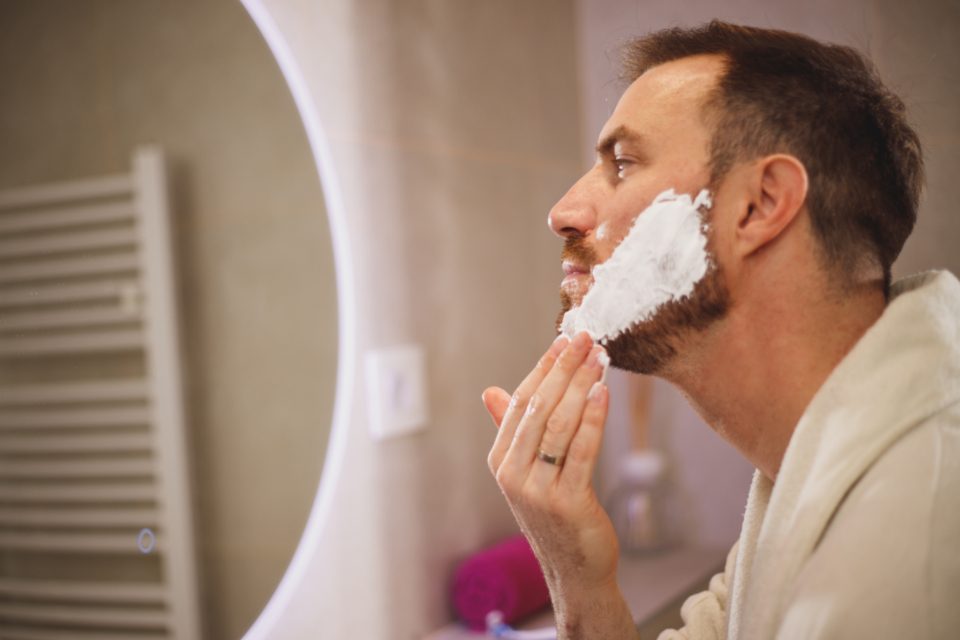
Red, stinging skin after a shave can turn a five-minute routine into a daily guessing game. The fix usually isn’t adding a shelf of products. Start with less friction: prepare damp hair, use a sharp blade and a shaving product your skin tolerates, and keep your hand light.
If you are getting razor burn, simplify the routine while your skin settles. A cleanser, a shave, a moisturizer, and morning sunscreen cover the basics; there is no bonus point for adding a strong active to freshly shaved skin.
The short answer: Cleanse with warm water, shave with the grain using a sharp blade and light pressure, rinse, then moisturize. In the morning, finish with broad-spectrum SPF 30 or higher. If fragrance or essential oils bother your skin, check ingredient lists and choose formulas without them.
What causes razor burn?
Shaving removes hair close to the skin, and the blade also passes over the skin’s surface. Too much friction—whether from a dull blade, inadequate lubrication, hard pressure, or repeated passes—can leave skin feeling irritated. Shaving against the direction of hair growth may also make irritation and ingrown hairs more likely for some people.
Technique matters more than a complicated product lineup. Hair is easier to cut when it is wet, so shave after a warm shower or rinse your face first. Use a clean, sharp blade and let it move with minimal pressure. If you need another pass, add more shaving product first rather than running the razor over dry skin.
Skin Realist check: Your face is not a countertop that needs a second scrub. More passes are not automatically a closer shave worth having.
Step 1: Cleanse with warm water and a gentle cleanser
Rinse with warm—not uncomfortably hot—water before you shave. If your face is sweaty, oily, or has product on it, use a gentle cleanser and rinse it away; if it is already clean, water may be enough. The goal is to start with damp facial hair and a clean surface, not to scrub until your skin feels squeaky.
A product option is COSRX Low pH Good Morning Gel Cleanser, a gel cleanser whose ingredient list includes betaine salicylate. It is labeled fragrance-free, but the ingredient list includes tea tree leaf oil, so it may not suit someone who avoids essential oils or whose skin reacts to them. If that ingredient is a concern, choose a cleanser without it.
→ See COSRX Low pH Good Morning Gel Cleanser on Amazon
Avoid adding an exfoliating acid or scrub immediately before shaving if your skin is already raw or sensitive. You can revisit exfoliation later if it suits your skin, but it is not a required step in a basic shave routine.
Step 2: Shave with the grain
Apply shaving product to damp skin, following its label. Use a sharp blade and short, gentle strokes in the direction your hair grows. Rinse the blade as needed, and avoid pressing down or stretching the skin tight. Hair growth can change direction across your face and neck, so take a moment to notice it rather than assuming every area grows the same way.
Elemis Skin Soothe Shave Gel is a skin-softening gel for use on cleansed, damp skin before shaving; its highlighted ingredients include aloe vera, witch hazel, jojoba esters, arnica, chamomile, and menthol. The caveat: the ingredient list includes fragrance (parfum), Alcohol Denat., and menthol. It may be an option if your skin tolerates those ingredients, but it is not the fragrance-free choice for freshly irritated skin.
→ See Elemis Skin Soothe Shave Gel on Amazon
For a foaming option, Elemis Ice-Cool Foaming Shave Gel is a shave gel with aloe vera, witch hazel, and English oak bark. Its ingredient list includes fragrance (parfum), benzyl benzoate, and menthol; skip it if those ingredients bother your skin.
→ See Elemis Ice-Cool Foaming Shave Gel on Amazon
If you want a closer result, reapply shaving product before another pass. Consider stopping after one comfortable pass, especially over areas that often get irritated. A close shave is optional; a raw neck is a poor trade.
Skin Realist check: Your razor is a tool, not a tiny bulldozer. Let the blade do the work.
Step 3: Rinse and moisturize
Rinse away leftover shaving product with cool or lukewarm water, then pat your face dry. Avoid rubbing freshly shaved skin with a towel. Choose a moisturizer you already know your skin tolerates; if fragrance or essential oils are a trigger for you, check the ingredient list before applying it after a shave.
Elemis Pro-Collagen Marine Cream for Men is a facial moisturizer with Padina pavonica, ginkgo biloba, and wheat germ oil; the listed size is 30 mL. Its ingredient list includes fragrance (parfum) and linalool, so it is a better match for someone who tolerates those ingredients than for someone avoiding fragrance.
→ See Elemis Pro-Collagen Marine Cream for Men on Amazon
Sulwhasoo Skin Strengthening Emulsion for Men is a facial moisturizing emulsion with squalane. Its ingredient list includes fragrance (parfum), limonene, linalool, citral, geraniol, and benzyl benzoate; choose another option if you avoid fragrance or these listed ingredients.
→ See Sulwhasoo Skin Strengthening Emulsion for Men on Amazon
Skip aftershave that stings or leaves your skin uncomfortable. Cooling sensations and a strong scent are not proof that a product is helping. If a formula causes persistent burning, redness, or swelling, rinse it off and stop using it.
Step 4: Apply sunscreen in the morning
If you shave in the morning, sunscreen is the last step. Choose broad-spectrum SPF 30 or higher, apply it as directed on the label, and reapply according to those instructions—especially when you will be outdoors. A sunscreen that irritates your skin is not the right daily choice for you, so look for a formula you can comfortably use.
Laneige Hydro UV Defense Sunscreen Broad Spectrum SPF 50+ is a broad-spectrum SPF 50+ sunscreen with avobenzone, homosalate, octisalate, and octocrylene. Laneige says to apply it in the morning before sun exposure and reapply every two hours during prolonged exposure. The formula lists fragrance (parfum) and lavender flower water, so it is not the fragrance-free option for fragrance-sensitive skin.
→ See Laneige Hydro UV Defense Sunscreen SPF 50+ on Amazon
How do the product options compare?
| Product | Step | What it is | Watch for |
|---|---|---|---|
| COSRX Low pH Good Morning Gel Cleanser | Cleanse | Gel cleanser; includes betaine salicylate | Labeled fragrance-free, but includes tea tree leaf oil |
| Elemis Skin Soothe Shave Gel | Shave | Skin-softening shave gel with aloe vera and witch hazel | Fragrance, Alcohol Denat., menthol |
| Elemis Ice-Cool Foaming Shave Gel | Shave | Foaming shave gel with aloe vera, witch hazel, and English oak bark | Fragrance, benzyl benzoate, menthol |
| Elemis Pro-Collagen Marine Cream for Men | Moisturize | Facial moisturizer with Padina pavonica, ginkgo biloba, and wheat germ oil | Fragrance, linalool |
| Sulwhasoo Skin Strengthening Emulsion for Men | Moisturize | Facial moisturizing emulsion with squalane | Fragrance and listed fragrance-related ingredients |
| Laneige Hydro UV Defense Sunscreen Broad Spectrum SPF 50+ | Protect | Broad-spectrum SPF 50+ sunscreen | Fragrance and lavender flower water |
For more grooming options, browse our shaving care category. If your skin is fragrance-sensitive, use the caveats above to guide your shortlist and check the current package label.
What does the simple routine look like?
- Before shaving: Wet your face with warm water; cleanse gently if needed.
- Shave: Apply a shaving product your skin tolerates. Use a sharp blade, light pressure, and the direction of hair growth.
- After shaving: Rinse, pat dry, and moisturize with a formula that does not trigger irritation.
- In the morning: Apply broad-spectrum SPF 30 or higher and follow the label for reapplication.
That is enough to get started. You do not need a toner, scrub, or strong active just because it appears in someone else’s routine.
Which shaving mistakes should you avoid?
- Shaving dry. Wet your facial hair and use a shaving product that helps the blade glide.
- Using a blade that tugs. Replace or clean it as appropriate when it no longer cuts comfortably.
- Pressing hard or making repeated passes. Use a light touch and reapply shaving product before another pass.
- Going against the grain by default. Start in the direction your hair grows, particularly on areas prone to irritation.
- Picking at bumps. Leave bumps alone; if they are frequent, painful, or worsening, seek advice from a dermatologist.
- Assuming “for sensitive skin” means irritation-proof. Check ingredients, especially fragrance and essential oils, and stop using anything that causes a reaction.
The bottom line
Keep shaving simple: dampen your facial hair, use a sharp blade with light pressure, and avoid repeated dry passes. Pick a cleanser, shave product, and moisturizer whose ingredient lists work for your skin, then use broad-spectrum sunscreen each morning. The Elemis and Laneige options above list fragrance; COSRX is labeled fragrance-free but includes tea tree leaf oil. If irritation keeps returning or painful bumps persist, ask a dermatologist for help.
Common questions
What causes razor burn?
Shaving can irritate skin through friction. A dull blade, too little lubrication, pressing hard, repeated passes, or shaving against the grain can make irritation more likely.
Is razor burn the same as razor bumps?
They are not always the same. Razor burn is irritation after shaving; bumps can have different causes, including ingrown hairs. Frequent or painful bumps are worth discussing with a dermatologist.
Should I shave before or after showering?
Shave after a warm shower, or wash with warm water first, so facial hair is damp before you start.
Do men need sunscreen every day?
Sun protection is for everyone. Use a broad-spectrum sunscreen with SPF 30 or higher in the morning and follow the label for reapplication.