Algin
A simple guide to algin, a seaweed-derived thickener that helps gels, masks, and other cosmetics hold their texture.
Extremely safeIn 10 products we cover
We may earn a commission when you buy through links on this page. It never changes what we recommend.
Quick facts
- INCI name
- Algin
- Origin
- Plant-derived
- Chemical class
- Marine polysaccharide
- What it does in a formula
- viscosity controlling, gelling, film forming
- Why it is in the formula
- Usually used to thicken or gel water-based skincare and help give masks and lotions a smooth consistency.
What it is
Algin is a polysaccharide texture ingredient obtained from brown seaweeds. Closely related to alginic acid and alginates extracted from marine algae, it is processed for diverse formulation roles. On a cosmetic label, Algin specifies a seaweed-derived stabilizer rather than a plant oil or concentrated skincare active.
You may find algin in gels, lotions, masks, and other water-based formulas. Its exact behavior depends on the grade used and the other ingredients in the product. Algin can thicken or form a gel, while particular alginate salts may have different solubility or gel-forming behavior. The formula’s overall texture cannot be predicted from this ingredient alone.
What it does
- Thickens water-based products. Algin can add body to a formula so it is less runny and easier to spread.
- Helps form a gel. It can contribute to a gel-like structure in masks and other cosmetic preparations.
- Supports an even feel. A thickened formula can stay more cohesive and feel smoother during application.
- Acts as a helper, not a treatment. Algin is there to shape the formula, not to provide a specific skin result on its own.
Who it suits
Algin is a seaweed-derived formulation ingredient, not a direct exfoliant or active. If you enjoy lightweight gels or masks, you may find it in products with that sort of texture. The presence of algin does not guarantee a cooling effect, a particular hydration result, or that the whole product is suitable for every skin type.
People with a known sensitivity to seaweed-derived ingredients can check with a clinician about whether to avoid a product containing algin. As with any cosmetic, stop using a formula that repeatedly causes discomfort and review the complete ingredient list. If you have an ongoing skin condition, consult a dermatologist rather than relying on a seaweed thickener.
What to pair it with, and what not to
There is no active that needs to be paired with algin. It is already part of the product’s texture system and can sit alongside humectants and emollients. Choose a finished formula for how it feels and follow its use directions.
Skin Realist check: A good gel does not need to brag about the seaweed doing its quiet structural work.
Quick picks with Algin
Scent-free, no patch-test flags on the label
COSRX PDRN Exosome Skinplaning Glaze Mask
PDRN · scent-free label
AmazonBrand lists it for sensitive skin
Dermalogica biolumin-c vitamin c eye serum
Vitamin C complex, Arjun tree extract, chia seed oil, Tremella mushroom, micro-algae and Poria mushroom · oily, dry, combination, sensitive, normal skin · scented
AmazonBrand lists it for dry skin
Dermalogica skin smoothing cream moisturizer
Active HydraMesh Technology, hyaluronic acid complex, mallow, cucumber, arnica, grape seed extract, vitamins C and E · normal, dry, combination skin · scented
Amazon



All 10 products with Algin
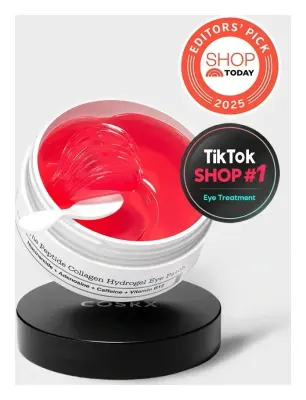
Eye Creams & Under-Eye Patches (3)

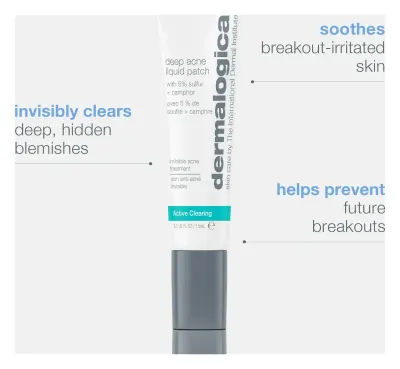
Pimple Patches & Overnight Spot Treatments (1)
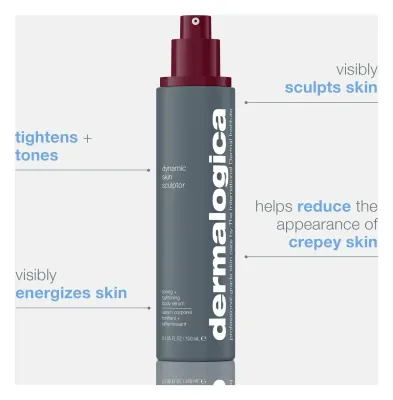
Body Creams, Butters & Body Oils (1)
Premium Overnight Recovery Packs & Sleeping Facials (1)
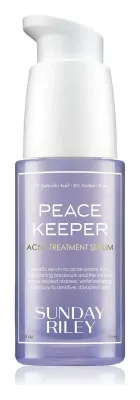
Dermatological Acne & Chemical Exfoliating Liquids (1)
Daily Moisturizers & Water Gel Creams (1)
Targeted Vitamin C & Brightening Correctors (1)
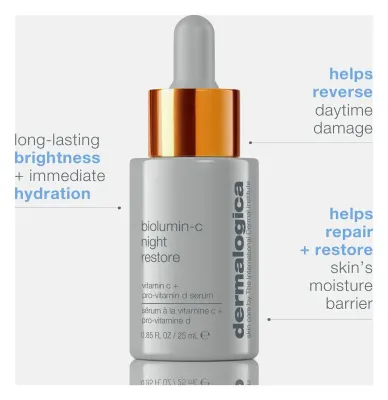
Mineral Pressed Powders & Skin-Nourishing Primers (1)
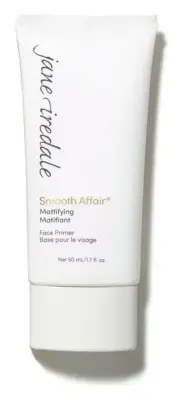
Common questions
What is algin in skincare?
Algin is a polysaccharide obtained from brown seaweed. It is used mainly as a thickener or gelling ingredient in cosmetics.
Is algin the same as alginate?
The terms are closely related and refer to materials based on alginic acid from seaweed. Cosmetic labels may use algin or a specific alginate salt, which can have somewhat different properties.
What does algin do in a face mask?
It can help make a water-based mixture thicker or gel-like and improve how evenly it spreads. It does not by itself make a mask more effective for a skin concern.
Is algin natural?
It comes from brown seaweed, though it is processed before use in a cosmetic. The label does not identify the seaweed species or extraction process.