Amyl Cinnamal
What amyl cinnamal does as a fragrance ingredient, why it can appear by name on labels, and who may prefer to skip scented products.
We may earn a commission when you buy through links on this page. It never changes what we recommend.
Quick facts
- INCI name
- Amyl Cinnamal
- Origin
- Plant-derived or Synthetic
- Chemical class
- Aromatic aldehyde
- What it does in a formula
- fragrance
- Why it is in the formula
- Amyl cinnamal adds a floral, jasmine-like note to scented personal-care formulas.
- Regulatory notes
- An EU fragrance allergen that must be named on labels above prescribed concentration thresholds.
What it is
Recognized for its delicate floral scent, amyl cinnamal is an aromatic aldehyde used as a fragrance ingredient in cosmetics. Manufacturers produce it synthetically or derive it from aromatic natural materials. Its sole purpose in a formulation is to impart or support a fragrance blend.
Amyl cinnamal is among the fragrance allergens recognized in EU cosmetics labeling. Covered fragrance allergens must be named in the ingredient list when they are present above prescribed thresholds. This gives people with a known allergy a way to check a label. It is not a warning that every person will react. In the US, blends may be listed under fragrance or parfum. Not seeing amyl cinnamal by name therefore does not prove a product is fragrance-free.
What it does
- Adds scent. It contributes a floral, jasmine-like note to fragranced products.
- Shapes a fragrance blend. It can be combined with other aromatic materials to create a finished scent.
- Helps identify a known trigger. A separately listed name can help people who already know they need to avoid it.
Who it suits
If you enjoy scented products and have no known fragrance sensitivity, you may simply treat amyl cinnamal as one of the ingredients that contributes to the smell. People with a confirmed allergy should check labels and follow the guidance from their clinician. If you prefer fragrance-free products, skip amyl cinnamal and check for other fragrance materials, including parfum, essential oils, and aromatic extracts.
A label does not predict how you will respond. If you are trying to identify a repeated reaction, a dermatologist can help assess possible triggers. Stop using a product that causes persistent irritation.
What to pair it with, and what not to
Amyl cinnamal is a fragrance ingredient, not an active that needs to be paired with another step. If you are avoiding scent, check for both fragrance and essential oils because each can contribute fragrance materials.
Skin Realist check: If you like a product's scent, fine. If you do not, your face is not obligated to host a perfume counter.
Quick picks with Amyl Cinnamal
Brand lists it for sensitive skin
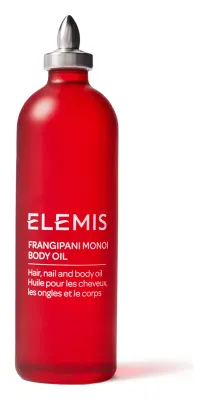
Elemis Frangipani Monoi Body Oil
Frangipani extract, monoi extract, and coconut oil · combination, dry, normal, oily, sensitive skin · scented
AmazonFeatured in our guides
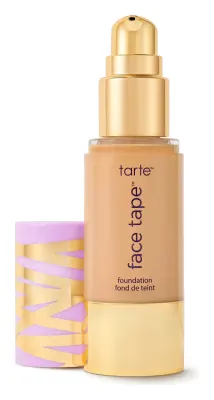
tarte face tape™ foundation
scented
Amazon
All 5 products with Amyl Cinnamal
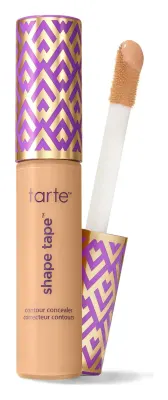
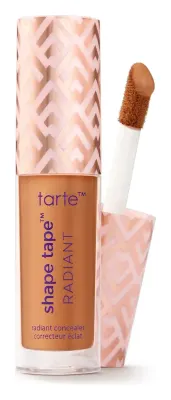
High-Definition Camouflage Concealers (3)

Body Creams, Butters & Body Oils (1)
Full-Coverage Camouflage & Liquid Foundations (1)
Common questions
What does amyl cinnamal do in skincare?
Amyl cinnamal is used as a fragrance ingredient. It gives a product an aromatic note and does not function as a moisturizer or exfoliant.
Is amyl cinnamal a fragrance allergen?
It is recognized as a fragrance allergen for some people. EU rules require covered fragrance allergens to be listed by name above prescribed thresholds.
Is amyl cinnamal natural?
It can be derived from natural aromatic sources or made synthetically. The ingredient list does not tell you which source a manufacturer used.
Should I avoid amyl cinnamal if I avoid fragrance?
Yes. It is a fragrance material, so people avoiding scent may want to skip products that list it. In the United States, fragrance blends may also be grouped under fragrance or parfum.