Essential Oils
What essential oils do in skincare, why plant-derived scents can still bother some skin, and who may prefer to avoid them.
We may earn a commission when you buy through links on this page. It never changes what we recommend.
What it is
Essential oils are aromatic materials made from plants, commonly extracted from leaves, flowers, peel, seeds, or wood. They are concentrated and volatile, which means they contribute a recognizable scent and can evaporate. Their ingredient-list names often include the plant’s botanical name and a plant part, such as flower oil or leaf oil. Some are labeled with a familiar common name instead.
Do not confuse essential oils with carrier oils. Carrier oils such as jojoba or rosehip are generally nonvolatile oils used as emollients. Essential oils are a different ingredient group, even though both come from plants and both may have “oil” in the name. A face-oil formula can contain carrier oils, essential oils, both, or neither. See the face oil guide for how to read those formulas as a category.
What it does
- Adds an aromatic scent. This is a common reason essential oils appear in cosmetics.
- Contributes plant-derived components. Each oil has its own composition, depending on the plant and how the material is produced.
- May serve other formula roles. The reason for using one depends on the product and the particular oil, so the plant name alone does not explain the whole formula.
Who it suits
An essential oil may suit someone who likes scented products and has no known allergy to that ingredient. If you want scent-free skincare, or you have a known allergy to a particular essential oil or one of its components, you may prefer to avoid products listing it. Sensitive or reactive skin may also be more comfortable with a simpler, unscented formula. “Natural” describes origin, not how gentle an ingredient will feel on your skin.
Essential oils can contain naturally occurring fragrance allergens. Their plant source does not remove that possibility, and different oils have different compositions. If you have had a reaction to a specific botanical ingredient, look for its scientific and common names on the label. If a product leaves your skin itchy, burning, or uncomfortable, stop using it; recurring reactions are worth discussing with a dermatologist.
What to pair it with, and what not to
There is no skincare ingredient that needs essential oil added to it. If your goal is simply to soften skin, a carrier-oil formula without added aromatic ingredients is another option. Avoid layering several new scented products at once if you are trying to identify a trigger. Keep your routine familiar, check the full ingredient list, and follow the product directions. An essential oil is not interchangeable with a face oil, and the word “oil” alone does not tell you what is in the bottle.
Skin Realist check: A botanical origin story is not a compatibility test. If your routine works better without scent, you do not owe an ingredient a try just because it came from a plant.
How it appears on labels: Lavandula Hybrida Oil; Lavandula Angustifolia (Lavender) Oil; Pelargonium Graveolens Flower Oil; Citrus Aurantium Dulcis (Orange) Peel Oil; Eugenia Caryophyllus (Clove) Leaf Oil; Citrus Aurantium Dulcis (Orange) Oil; Anthemis Nobilis Flower Oil; Aniba Rosodora (Rosewood) Wood Oil; Juniperus Virginiana Oil; Rosa Damascena Flower Oil; Cymbopogon Martini Oil; Santalum Album (Sandalwood) Oil; Cananga Odorata Flower Oil; Zingiber Officinale (Ginger) Root Oil; Abies Sibirica Oil; Cymbopogon Schoenanthus Oil
Quick picks with Essential Oils
Brand lists it for sensitive skin
Dermalogica dynamic skin retinol serum
Retinoid Complex 3.5% · oily, dry, combination, sensitive, normal skin · scented
AmazonBrand lists it for oily skin
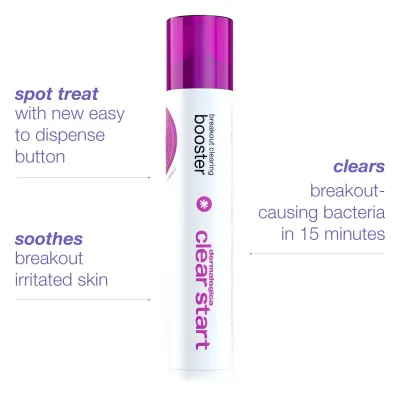
Dermalogica Breakout Clearing Booster
Salicylic acid, niacinamide, tea tree leaf oil, lactic acid · normal, dry, combination, oily, sensitive skin · scented
AmazonBrand lists it for dry skin
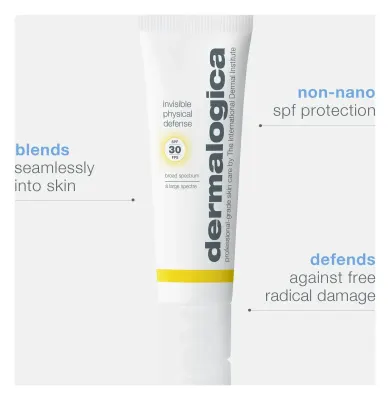
Dermalogica invisible physical defense mineral sunscreen spf30
Zinc oxide, Bio-Active Mushroom Complex, Green Tea, and Hyaluronic Acid · oily, dry, combination, sensitive, normal skin · scented
Amazon

All 106 products with Essential Oils
Daily Moisturizers & Water Gel Creams (19)
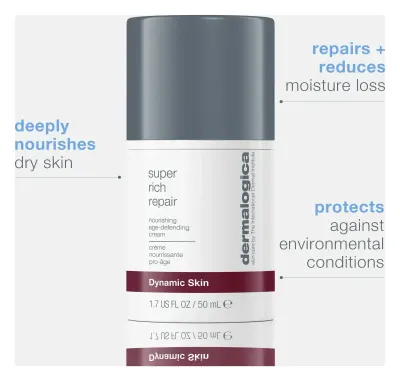 Dermalogica super rich repair moisturizerAmazon
 Dermalogica biolumin-c vitamin c gel moisturizerAmazon
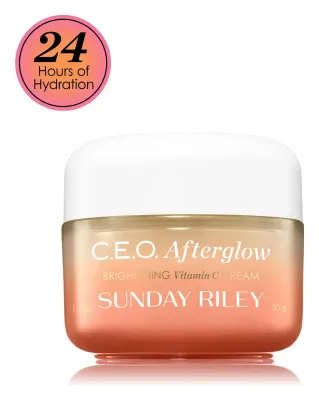 Sunday Riley C.E.O. Afterglow Brightening Vitamin C Gel CreamAmazon
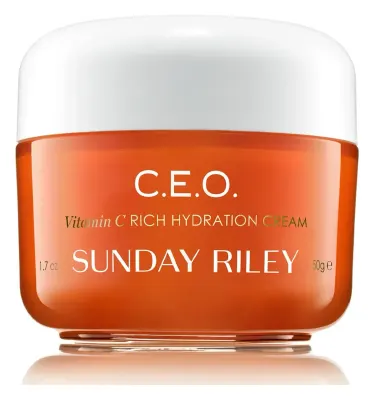 Sunday Riley C.E.O. Vitamin C Rich Hydration CreamAmazon
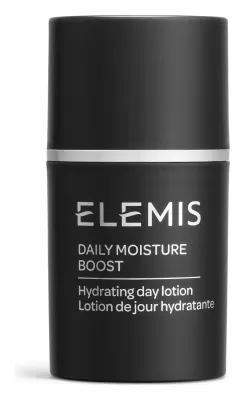 Elemis Daily Moisture BoostAmazon
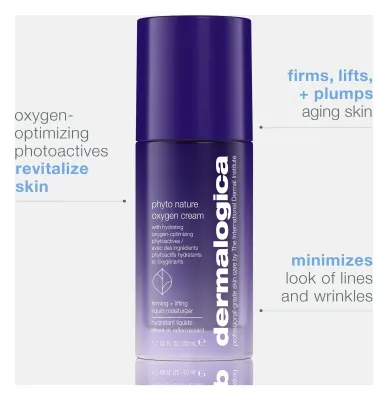 Dermalogica phyto nature oxygen creamAmazon
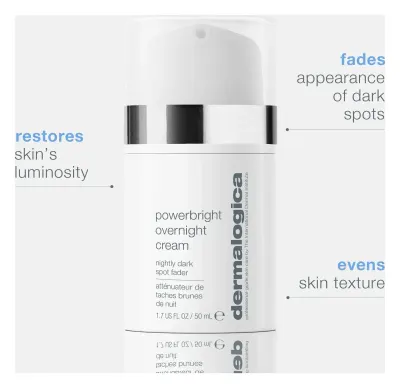 Dermalogica powerbright overnight creamAmazon
 Dermalogica skin smoothing cream moisturizerAmazon
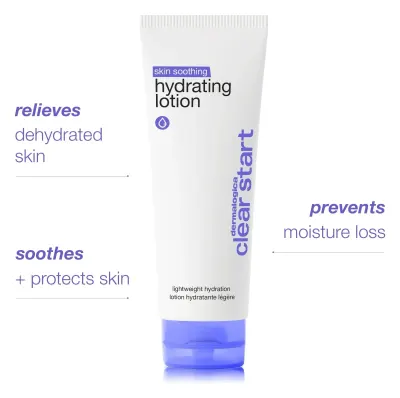 Dermalogica skin soothing hydrating lotionAmazon
 Elemis ULTRA SMART Pro-Collagen Day CreamAmazon
 Dermalogica acne biotic moisturizerAmazon
 Dermalogica multivitamin power recovery creamAmazon
 Dermalogica pro-collagen banking water creamAmazon
 Elemis Pro-Collagen Morning MatrixAmazon
 Elemis Pro-Collagen Overnight MatrixAmazon
 Elemis Pro-Collagen Rose Marine CreamAmazon
 Elemis Superfood Day CreamAmazon
 Elemis ULTRA SMART Pro-Collagen Night GeniusAmazon
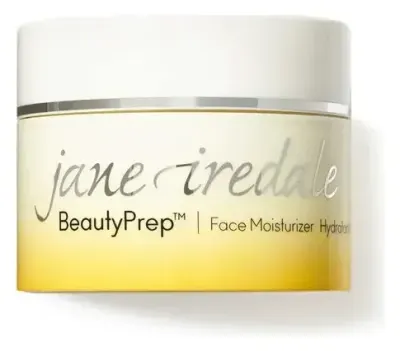 Jane Iredale BeautyPrep Face MoisturizerAmazon
Body Creams, Butters & Body Oils (15)
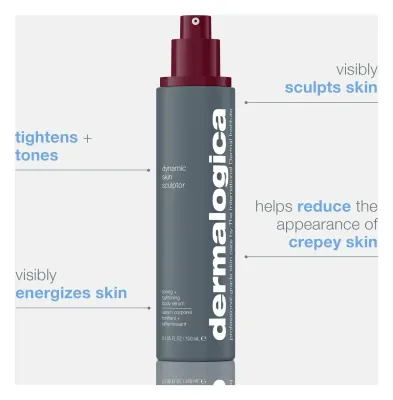 Dermalogica dynamic skin sculptor body serumAmazon
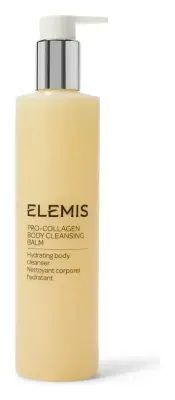 Elemis Pro-Collagen Body Cleansing BalmAmazon
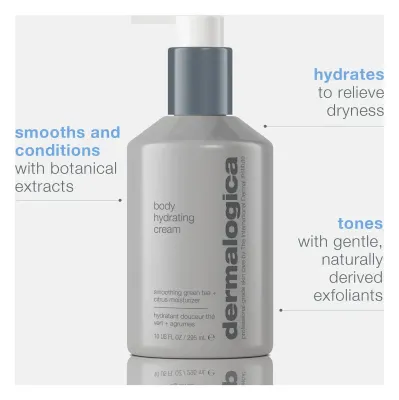 Dermalogica body hydrating creamAmazon
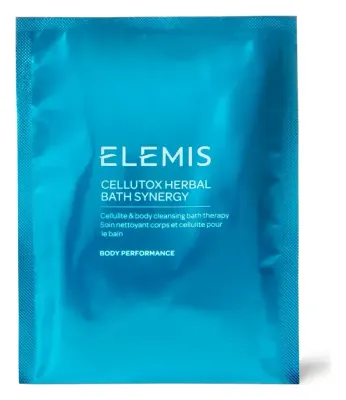 Elemis Cellutox Herbal Bath SynergyAmazon
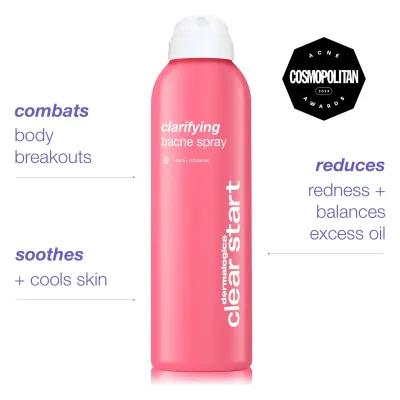 Dermalogica clarifying bacne sprayAmazon
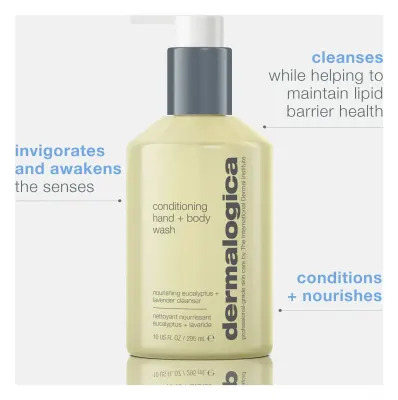 Dermalogica conditioning hand + body washAmazon
 Elemis Cool-Down Body WashAmazon
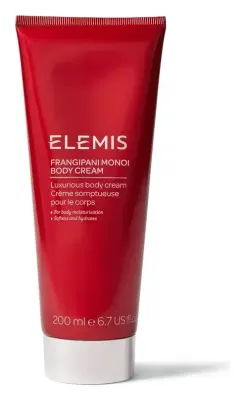 Elemis Frangipani Monoi Body CreamAmazon
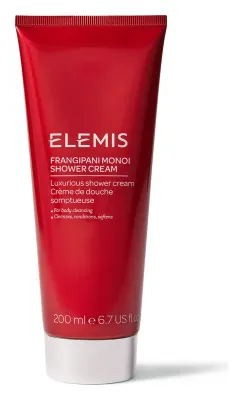 Elemis Frangipani Monoi Shower CreamAmazon
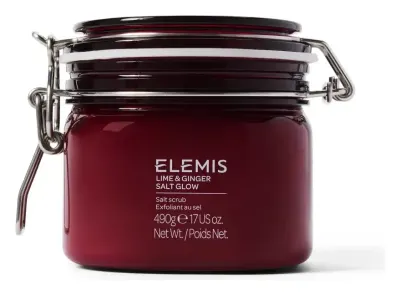 Elemis Lime & Ginger Salt GlowAmazon
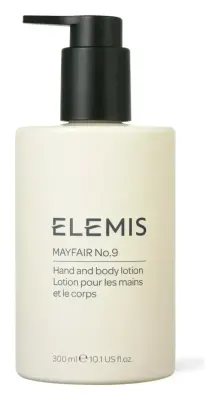 Elemis Mayfair No.9 Hand & Body LotionAmazon
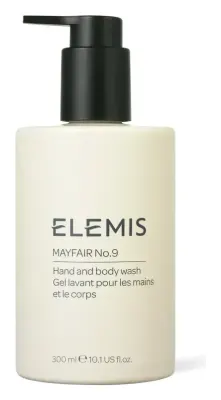 Elemis Mayfair No.9 Hand & Body WashAmazon
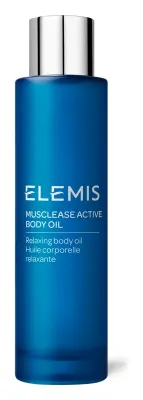 Elemis Musclease Active Body OilAmazon
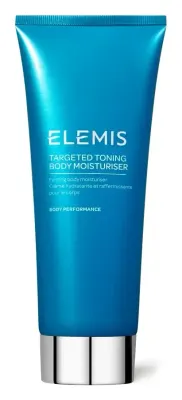 Elemis Targeted Toning Body MoisturiserAmazon
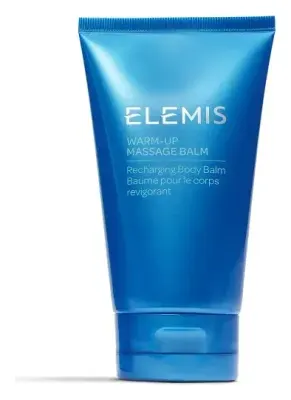 Elemis Warm-Up Massage BalmAmazon
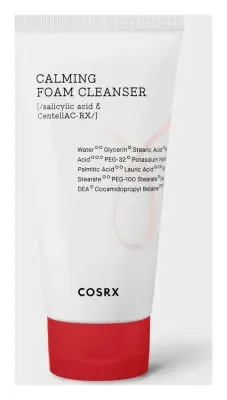
Gel, Foam & Cream Facial Cleansers (10)
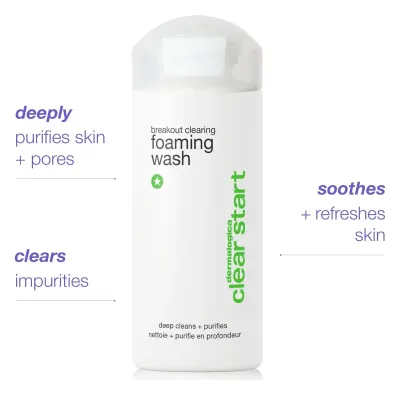 Dermalogica breakout clearing foaming washAmazon
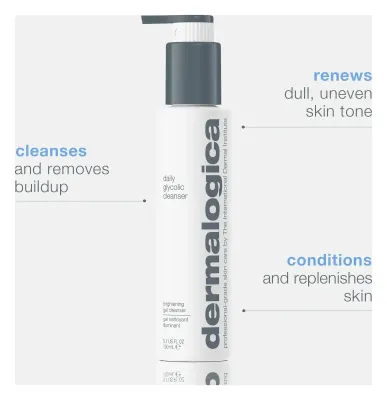 Dermalogica daily glycolic cleanserAmazon
 Dermalogica intensive moisture cleanserAmazon
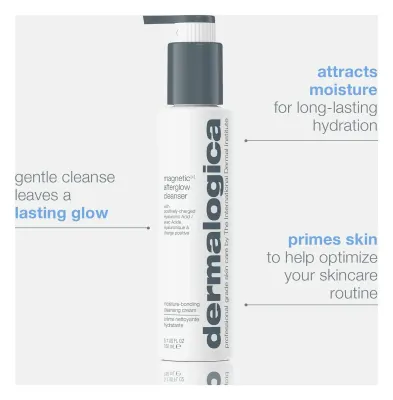 Dermalogica magnetic[+] afterglow cleanserAmazon
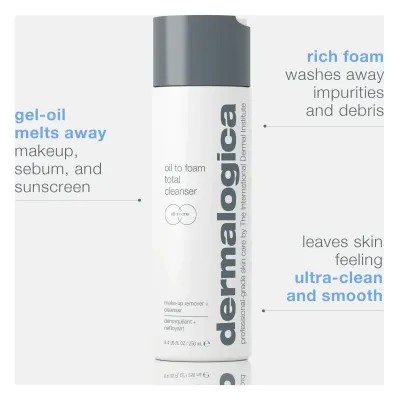 Dermalogica oil to foam total cleanserAmazon
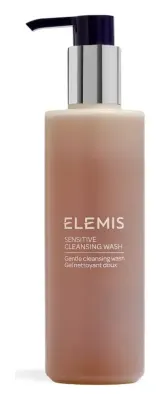 Elemis Sensitive Cleansing WashAmazon
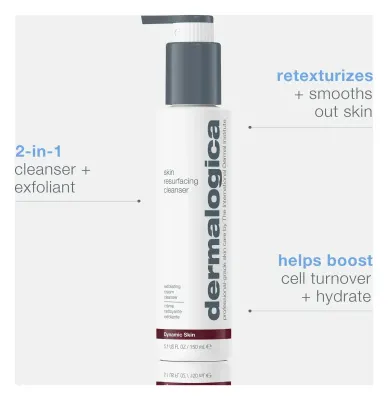 Dermalogica skin resurfacing lactic acid cleanserAmazon
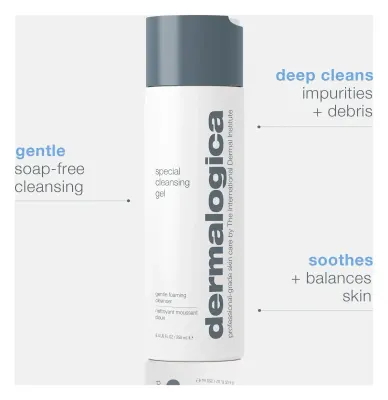 Dermalogica special cleansing gelAmazon
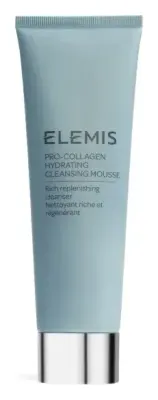 Elemis Pro-Collagen Hydrating Cleansing MousseAmazon
 Elemis Superfood Facial WashAmazon
Hydrating Toners, Essence Waters & Face Mists (9)
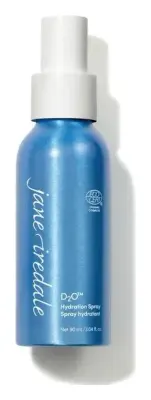 Jane Iredale D2O Hydration SprayAmazon
 Dermalogica antioxidant hydramistAmazon
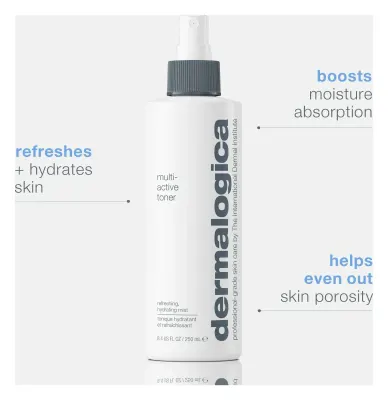 Dermalogica multi-active tonerAmazon
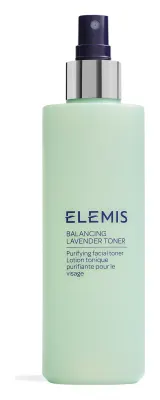 Elemis Balancing Lavender TonerAmazon
 Sulwhasoo First Care Activating Serum MistAmazon
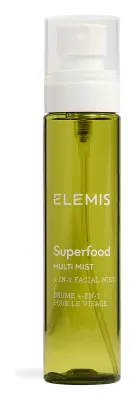 Elemis Superfood Multi MistAmazon
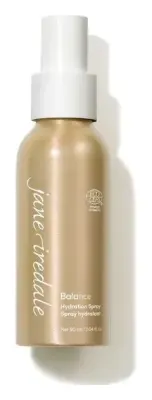 Jane Iredale Balance Hydration SprayAmazon
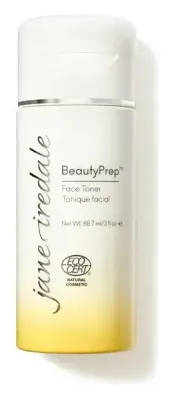 Jane Iredale BeautyPrep Face TonerAmazon
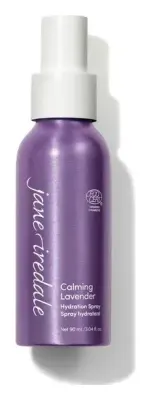 Jane Iredale Calming Lavender Hydration SprayAmazon
Anti-Aging & Retinoid Serums (6)
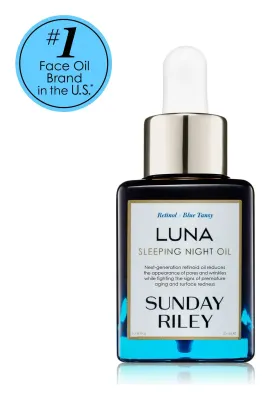

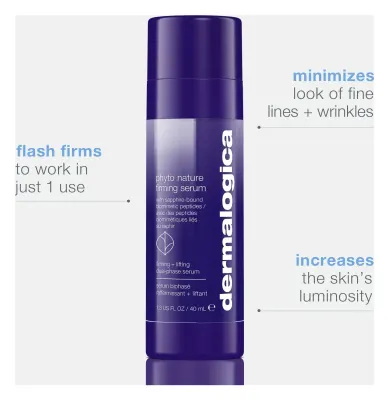
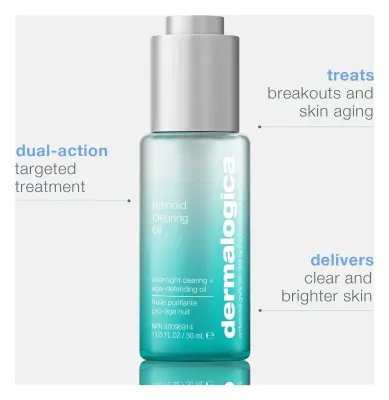
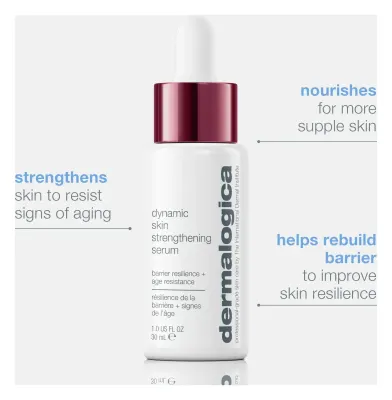
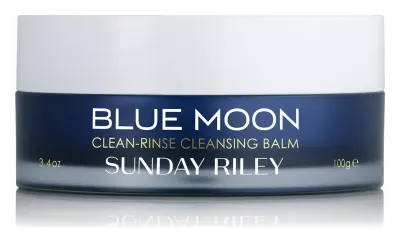
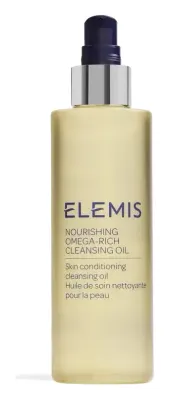
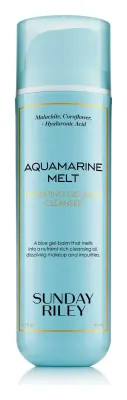
Premium Double-Cleansing Balms & Melting Gels (6)
Dermatological Acne & Chemical Exfoliating Liquids (5)
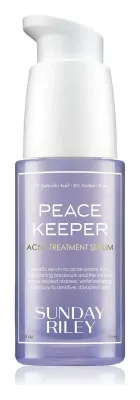

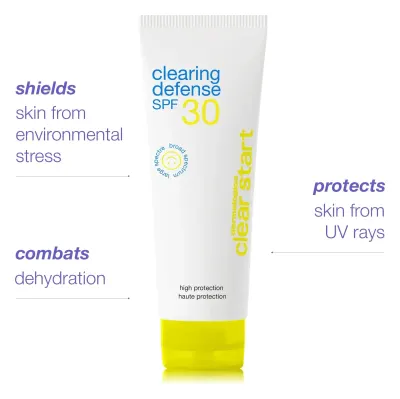
Daily Sunscreens & SPF Moisturizers (5)


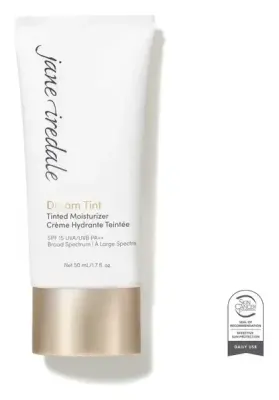
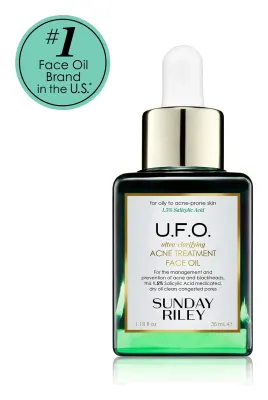
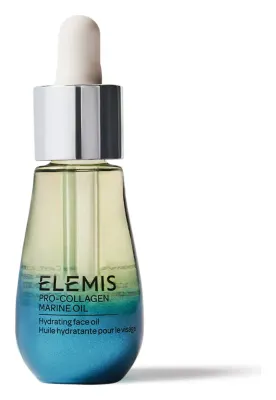
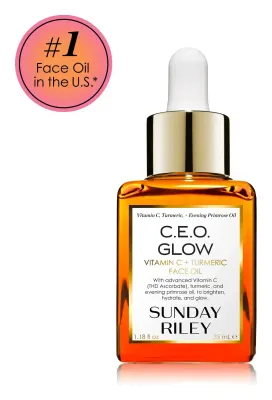
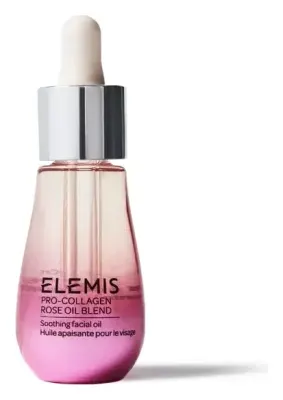
Face Oils & Treatment Oils (5)
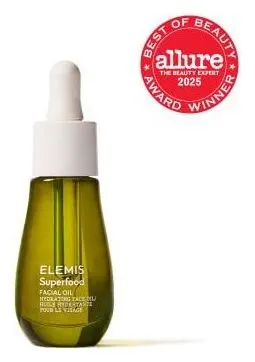
Physical & Enzyme Face Exfoliants (4)
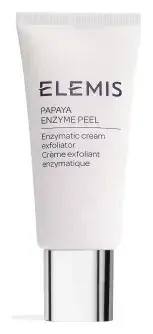
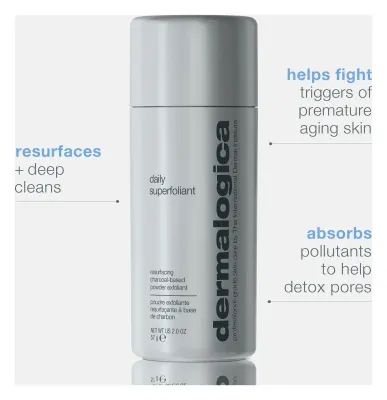
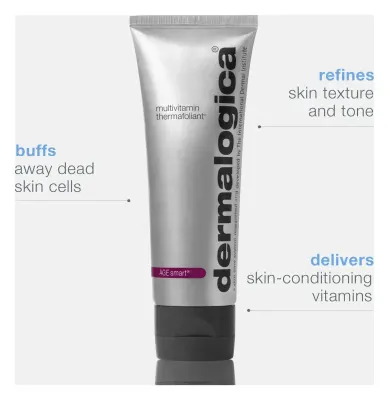
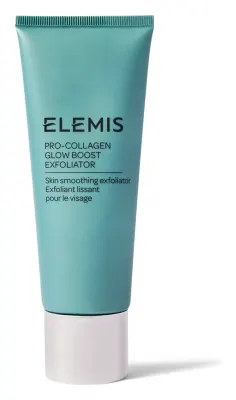
Targeted Vitamin C & Brightening Correctors (3)
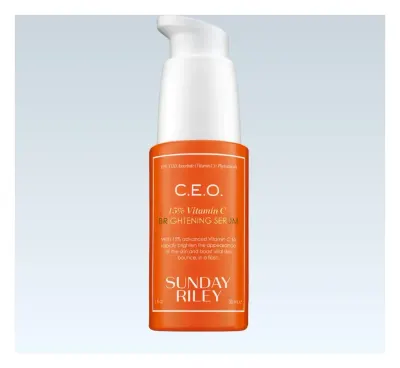

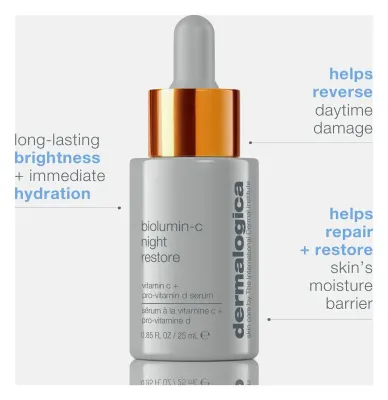
Sheet, Hydrogel & Clay Masks (3)
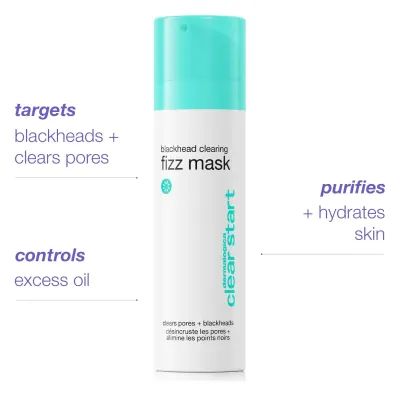
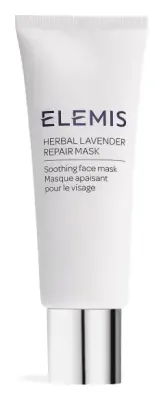

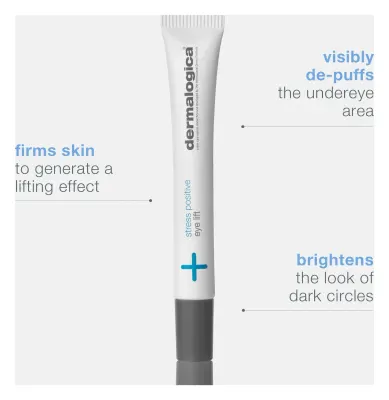
Eye Creams & Under-Eye Patches (3)

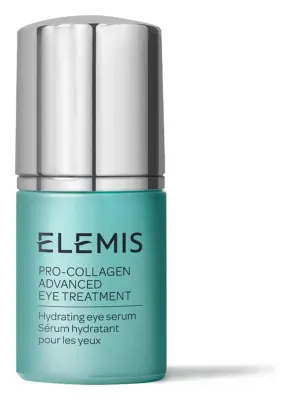
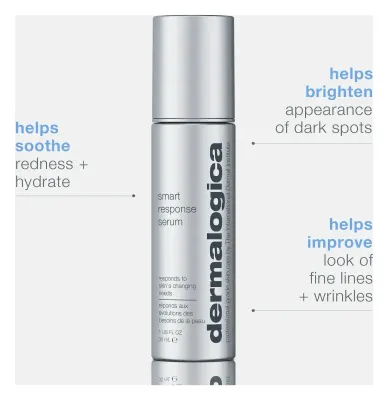
Hydrating Serums, Essences & Ampoules (3)


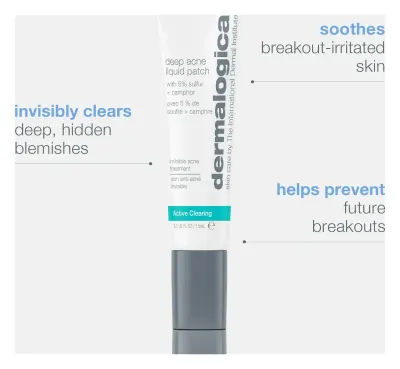
Pimple Patches & Overnight Spot Treatments (2)
Premium Overnight Recovery Packs & Sleeping Facials (2)
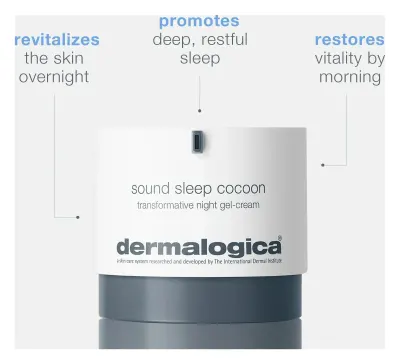
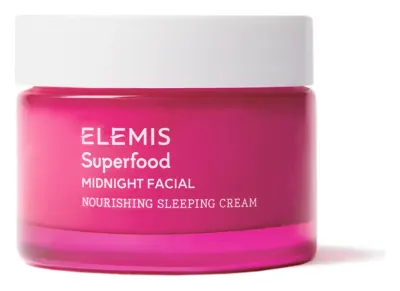
Cream & Gel Treatment Masks (2)


Skincare Sets & Routine Kits (2)
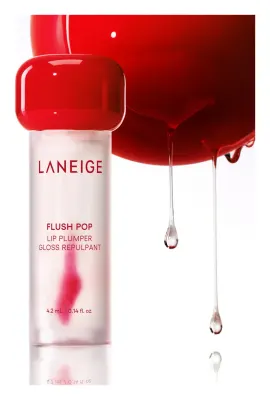
Lipsticks, Glosses & Lip Liners (1)
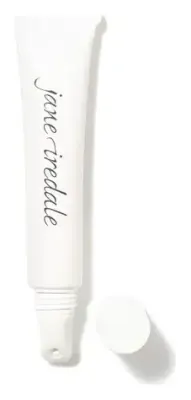
Intensive Lip Recovery Masks & Tinted Balms (1)
Common questions
What are essential oils in skincare?
Essential oils are concentrated aromatic materials derived from plants, often from parts such as leaves, flowers, peel, or wood. In skincare they can contribute scent and may also have other formulation roles. They are not the same as the nonvolatile carrier oils used to soften skin.
Are essential oils fragrance?
They can function as fragrance ingredients because they add an aroma to a product. Essential oils may also contain naturally occurring fragrance allergens, so plant-derived does not automatically mean gentler for every person.
Who might want to avoid essential oils?
People who prefer scent-free products, have a known allergy to a particular oil or its components, or find aromatic products irritating may want to choose a different formula. Check the complete ingredient list because individual oils can have different names.
Are essential oils the same as face oils?
No. A face oil is a product category that often uses carrier oils to soften skin, while essential oils are concentrated aromatic plant materials. A face oil may contain essential oils, carrier oils, both, or neither.