Arnica Montana Flower Extract
A grounded guide to arnica flower extract in skincare, including its botanical source, limited cosmetic role and allergy considerations.
Probably fineIn 6 products we cover
We may earn a commission when you buy through links on this page. It never changes what we recommend.
Quick facts
- INCI name
- Arnica Montana Flower Extract
- Origin
- Plant-derived
- Chemical class
- Botanical flower extract
- What it does in a formula
- skin conditioning
- Why it is in the formula
- It is included as a botanical skin-conditioning ingredient.
What it is
Prepared from the blossoms of Arnica montana, a flowering plant in the daisy family, Arnica Montana Flower Extract is a complex botanical mixture rather than a single chemical substance. Its specific composition varies depending on the solvent and extraction method used. For that reason, the INCI designation does not reflect the exact strength or chemical profile of a given batch.
In cosmetics, arnica appears as one botanical component in a cream, lotion or other product. It is not the same as a standardized medicine or a home-prepared arnica tincture, and a cosmetic label does not establish a treatment effect. Its role should be described modestly as skin conditioning.
What it does
- Conditions skin. It is included as a botanical ingredient in formulas intended to leave skin feeling conditioned.
- Adds a plant extract. Formulators may use it as part of a botanical blend, though a plant name alone does not prove extra benefit.
- Contributes to the formula. Its role depends on the complete product, including its base and other ingredients.
Who it suits
Arnica is a known contact allergen for some people. Because it belongs to the daisy family, people who have reacted to arnica or related plants should be particularly cautious and check with their doctor or dermatologist before using it. Patch-testing can be sensible when trying a new product, but do not deliberately test an ingredient you already know you are allergic to.
Avoid treating a cosmetic arnica cream as a medicine for bruising, swelling or another health condition. This page is about its presence on cosmetic labels, not medical use. If you have a persistent skin concern or have developed a rash, stop the product and talk with a dermatologist. Other ingredients in the formula may also matter.
What to pair it with, and what not to
There is no special active it needs alongside it. Use the product according to its directions and avoid layering several new botanical products at once if you are trying to identify a sensitivity. If you have a known allergy to arnica or related plants, skip it rather than trying to pair around the issue.
Skin Realist check: A botanical name is not a promise that a product will feel gentle. Let your own skin have a vote.
Quick picks with Arnica Montana Flower Extract
Brand lists it for sensitive skin
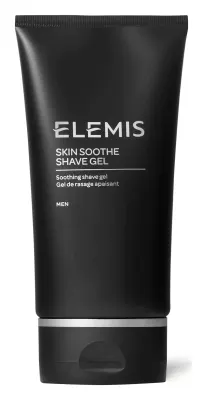
Elemis Skin Soothe Shave Gel
Aloe vera, witch hazel, jojoba esters, arnica, chamomile, and menthol · sensitive skin · scented
AmazonBrand lists it for oily skin
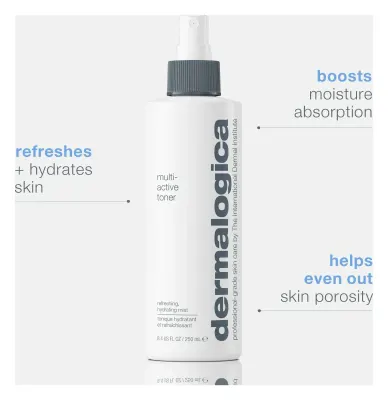
Dermalogica multi-active toner
Moisture-binding humectants, arnica, balm mint, and lavender · oily, dry, combination, sensitive, normal skin · scented
AmazonBrand lists it for dry skin
Dermalogica skin smoothing cream moisturizer
Active HydraMesh Technology, hyaluronic acid complex, mallow, cucumber, arnica, grape seed extract, vitamins C and E · normal, dry, combination skin · scented
Amazon

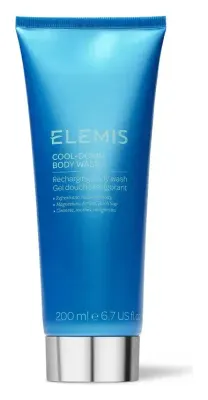
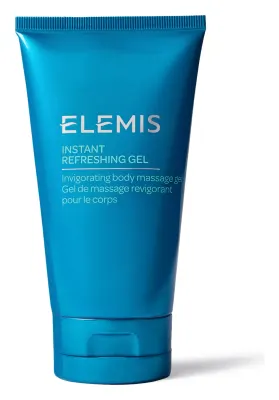
All 6 products with Arnica Montana Flower Extract
Body Creams, Butters & Body Oils (2)
Dermatological Acne & Chemical Exfoliating Liquids (1)
Shaving Creams, Gels & Oils (1)
Hydrating Toners, Essence Waters & Face Mists (1)
Daily Moisturizers & Water Gel Creams (1)
Common questions
What is arnica extract in skincare?
It is an extract made from the flowers of Arnica montana, a flowering plant in the daisy family. Cosmetic formulas use it as a botanical skin-conditioning ingredient.
Can arnica cause an allergic reaction?
Yes, arnica is a known contact allergen for some people, particularly those sensitive to related daisy-family plants. If you have a history of plant allergies, check with a clinician before trying it.
Does arnica extract reduce bruising?
This guide covers cosmetic use, not treatment of bruises or other conditions. Evidence and products for medical use are not interchangeable with a cosmetic ingredient in a skincare formula.
Is arnica suitable for sensitive skin?
It may not be the best first choice if you know you react to arnica or related plants. Patch-test a new cosmetic and stop using it if a reaction develops.