Camellia Japonica Seed Oil
What Camellia japonica seed oil does in skincare, why it is rich in oleic acid, and how to handle an oil-based formula.
Extremely safeIn 6 products we cover
We may earn a commission when you buy through links on this page. It never changes what we recommend.
Quick facts
- INCI name
- Camellia Japonica Seed Oil
- Origin
- Plant-derived
- Chemical class
- Plant seed oil (triglycerides)
- What it does in a formula
- emollient, skin conditioning
- Why it is in the formula
- Camellia japonica seed oil softens skin and adds an oleic-acid-rich plant oil to the formula.
What it is
Pressed from the seeds of the Japanese camellia (Camellia japonica), camellia japonica seed oil is a nourishing liquid plant oil used as an emollient in skincare. Its lipid composition consists primarily of monounsaturated oleic acid alongside smaller amounts of palmitic and linoleic acids. Because natural fatty-acid profiles shift across growing conditions and refining methods, individual batches vary in exact composition.
The seed oil is not the same ingredient as camellia flower extract or leaf extract. The plant part matters: an oil is mainly a mixture of fats, while an extract may contain different water-soluble or aromatic plant compounds. Camellia seed oil can oxidize over time, although its high oleic-acid content is generally less oxidation-prone than oils dominated by polyunsaturated fats. Heat, air, and light still matter. Close the container and follow the label’s storage and period-after-opening instructions.
What it does
- Softens the skin surface. The oil works as an emollient and can make skin feel smoother.
- Adds glide. It helps a moisturizer or oil blend spread with less drag.
- Contributes an oil phase. Its liquid consistency can give a formula a silky, cushioning finish.
Who it suits
You may enjoy Camellia japonica seed oil if you like plant oils and a soft, smooth finish. If you prefer a very light gel or dislike a shiny layer, an oil-rich formula may not be your choice. That is a texture preference, not a rule that the oil suits only one skin type. The amount used and the other ingredients determine how a finished product feels.
Comedogenic ratings cannot predict how every person will respond. Consider the whole formula, and stop using a product if irritation persists.
What to pair it with, and what not to
Camellia seed oil can be blended with other emollients or used in a moisturizer alongside humectants. No active ingredient is required to make it work. Store products as directed and pay attention to changes in odor or appearance.
Skin Realist check: A classic plant oil can be lovely, but it is still a texture preference, not a skincare obligation.
Quick picks with Camellia Japonica Seed Oil
Scent-free, no patch-test flags on the label
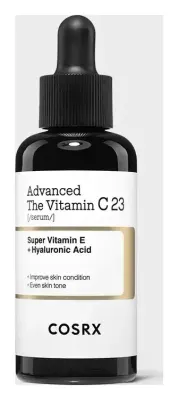
COSRX Advanced The Vitamin C 23 Serum
Ascorbic Acid (Vitamin C) 23% · scent-free label
AmazonBrand lists it for sensitive skin
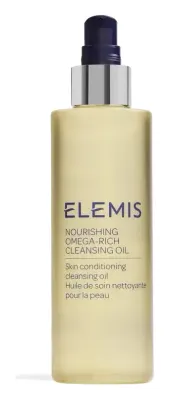
Elemis Nourishing Omega-Rich Cleansing Oil
Sunflower seed oil, castor seed oil, chia seed oil, camellia seed oil, and pomegranate extract · oily, dry, combination, sensitive, normal skin · scented
AmazonBrand lists it for oily skin
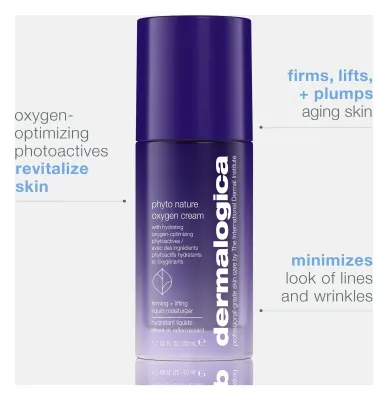
Dermalogica phyto nature oxygen cream
Ligustrum lucidum seed extract, glycogen, and nasturtium flower · oily, dry, combination, sensitive, normal skin · scented
Amazon
All 6 products with Camellia Japonica Seed Oil
Premium Double-Cleansing Balms & Melting Gels (2)
Targeted Vitamin C & Brightening Correctors (1)
Daily Moisturizers & Water Gel Creams (1)
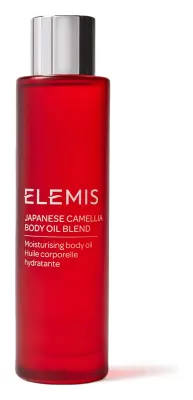
Body Creams, Butters & Body Oils (1)
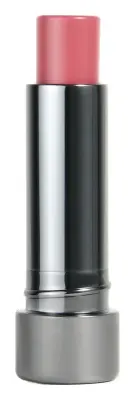
Blush, Bronzers & Highlighters (1)
Common questions
What does Camellia japonica seed oil do for skin?
It is an emollient oil that can soften skin and add slip to a cream or face oil. The finished texture depends on how much is used and what else is in the product.
Is Camellia japonica seed oil high in oleic acid?
Yes. Published analysis of Camellia seed oils found oleic acid to be a major fatty acid in Camellia japonica oil. Exact composition varies with species, crop, and processing.
Is Camellia japonica oil comedogenic?
Comedogenic ratings are unreliable and cannot forecast how a particular product will behave for you. The complete formula and your own experience are more useful.
Can Camellia seed oil go rancid?
Like other oils, it can oxidize with time and exposure to air, warmth, or light. Keep the package closed, follow its storage guidance, and replace it if the scent or appearance changes.