Ceratonia Siliqua (Carob) Gum
What carob gum does in skincare, which part of the plant supplies it, and how a thickener can improve a formula's texture.
Extremely safeIn 7 products we cover
We may earn a commission when you buy through links on this page. It never changes what we recommend.
Quick facts
- INCI name
- Ceratonia Siliqua Gum
- Origin
- Plant-derived
- Chemical class
- Plant polysaccharide gum
- What it does in a formula
- viscosity controlling, stabilizing, binding
- Why it is in the formula
- Usually used to thicken and stabilize a gel, cream, or other water-based formula.
What it is
Obtained from the seed endosperm of the Mediterranean carob tree (Ceratonia siliqua), Ceratonia Siliqua Gum is a natural polysaccharide also known as locust bean gum. It is used across creams, gels, lotions, masks, and cleansers to build viscosity and create a rich texture. It is a purified seed gum rather than a carob fruit extract or flavoring powder.
What it does
- Thickens water-based formulas. The gum binds water and increases viscosity, helping a thin mixture become a gel or thicker lotion.
- Helps maintain texture. It can contribute to a more uniform product that is less likely to feel watery or runny.
- Supports suspension. Thicker formulas can keep droplets or particles distributed through the product.
- Adds no required active benefit. Its main value is formula structure, not a promised change in skin.
Who it suits
Carob gum is not targeted to a particular skin type. It mainly shapes a product’s texture, so choose a finished formula based on how it feels and what you want it to do. A plant source does not mean that an ingredient is unprocessed or suited to everyone. If you know you react to carob or related plants, check with your dermatologist or the manufacturer. Stop using a product that causes persistent irritation.
What to pair it with, and what not to
There is nothing special to pair with carob gum. It is part of a product’s texture system and can appear with humectants such as glycerin. Do not add loose gums to a product at home.
Skin Realist check: A good texture is allowed to be the whole contribution. Not every ingredient has to audition for active status.
Quick picks with Ceratonia Siliqua (Carob) Gum
Scent-free, no patch-test flags on the label
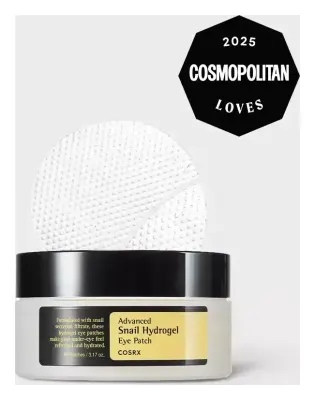
COSRX Advanced Snail Hydrogel Eye Patch
Snail Secretion Filtrate · scent-free label
AmazonFeatured in our guides
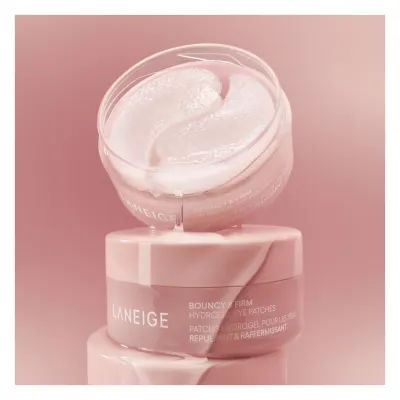
Laneige Bouncy & Firm Hydrogel Eye Patches
Niacinamide, caffeine, soluble collagen, and sodium hyaluronate · scented
Amazon
All 7 products with Ceratonia Siliqua (Carob) Gum
Eye Creams & Under-Eye Patches (4)

Sheet, Hydrogel & Clay Masks (3)



Common questions
What does carob gum do in skincare?
Carob gum thickens and stabilizes formulas, helping a lotion or gel keep its texture. It is mainly a supporting ingredient rather than a skin active.
What part of the carob plant is used for carob gum?
Carob gum is obtained from the seeds of Ceratonia siliqua, the carob tree. It is different from carob fruit extract or powder.
Is carob gum the same as xanthan gum?
No. Both can thicken products, but carob gum comes from carob seeds, while xanthan gum is produced by fermentation. Formulators may use them for different texture effects.
Can carob gum irritate skin?
It is primarily a texture ingredient, but reactions to finished products are possible. If a product causes discomfort, review the full formula and stop using it if irritation persists.