Chrysin
A measured look at chrysin in skincare, including its plant sources, limited topical evidence, and role as a formula ingredient.
Extremely safeIn 5 products we cover
We may earn a commission when you buy through links on this page. It never changes what we recommend.
Quick facts
- INCI name
- Chrysin
- CAS number
- 480-40-0
- Origin
- Plant-derived or Synthetic
- Chemical class
- Flavone (flavonoid)
- What it does in a formula
- skin conditioning, antioxidant
- Why it is in the formula
- Usually included as a plant-associated flavonoid in formulas marketed around antioxidant or skin-conditioning support.
What it is
Found naturally in honeybee propolis and select botanical sources, chrysin is a plant flavone belonging to the broader flavonoid polyphenol family. For cosmetic use, suppliers can extract it from natural materials or synthesize it in a lab. Product labels indicate the presence of chrysin but do not disclose the specific raw origin or processing method.
Chrysin may appear in products marketed around antioxidant or skin-conditioning ingredients. Its topical evidence base is limited. Some interest in chrysin comes from laboratory work or research on oral supplements, neither of which establishes that a skincare product will produce a visible effect.
What it does
- Contributes an antioxidant ingredient. Chrysin is included for its flavonoid chemistry, but evidence of an effect in a finished topical formula is limited.
- Supports skin conditioning. It may be used as part of a broader formula intended to leave skin feeling comfortable.
- Adds a botanical-associated compound. Its plant connections do not mean every cosmetic source is botanical or that it has the same properties as a plant extract.
- Is not a proven treatment active. Claims about oral supplements or lab studies should not be extended to a topical cosmetic without relevant human evidence.
Who it suits
Chrysin is an optional ingredient in an already formulated product. There is little reason to seek it out for a particular skin concern, because topical human evidence is limited. People with pollen, plant, or bee-product allergies may want to ask a clinician whether a particular product is appropriate, especially if its source information is unclear.
If you try a new product and it repeatedly causes discomfort, stop using it and review the full formula. Do not assume chrysin is responsible based on its presence alone.
What to pair it with, and what not to
Chrysin has no established special pairing requirement. Use the finished product according to its directions and keep expectations modest. Do not combine it with oral supplements on the assumption that topical and dietary use will have the same effect.
Skin Realist check: A complicated molecule can still be a small supporting part of a very ordinary routine.
Quick picks with Chrysin
Scent-free, no patch-test flags on the label
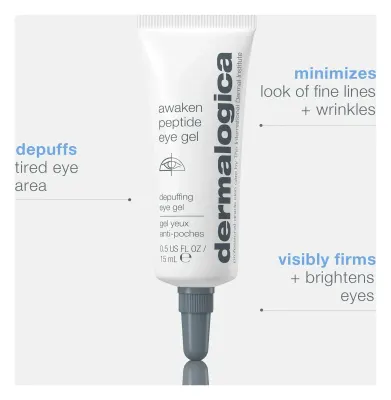
Dermalogica awaken peptide depuffing eye gel
Caffeine, tetrapeptides, rosemary leaf extract, succinic acid blend, Voandzeia subterranea seed extract and lactic acid · oily, dry, combination, sensitive, normal skin · scent-free label
AmazonFeatured in our guides
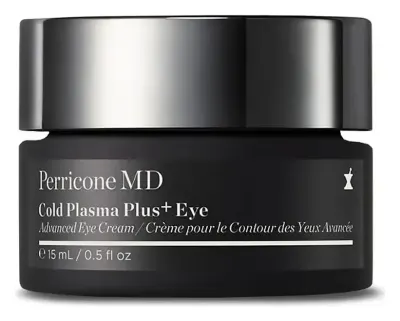
Perricone MD Cold Plasma Plus+ Advanced Eye Cream
Vitamin C Ester, omegas 3, 6 and 9, and peptides · scent-free label
Amazon
All 5 products with Chrysin
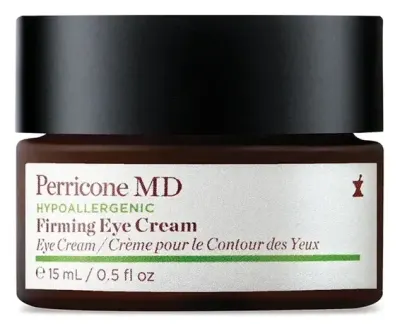
Eye Creams & Under-Eye Patches (4)

Daily Moisturizers & Water Gel Creams (1)

Common questions
What is chrysin in skincare?
Chrysin is a flavonoid found in some plants and bee products. In cosmetics, it may be included as an antioxidant or skin-conditioning ingredient.
Does chrysin have proven skincare benefits?
Topical human evidence is limited, and much of the interest comes from laboratory research or studies unrelated to cosmetic use. A label listing chrysin does not establish a visible result.
Is chrysin the same as an estrogen or hormone treatment?
No. It is a flavonoid compound, not a hormone treatment. Do not treat claims about supplements or laboratory activity as evidence about a topical cosmetic.
Is chrysin natural?
It occurs in some plant materials and bee products, but cosmetic chrysin can also be manufactured. The label does not identify the source.