Diatomaceous Earth
What diatomaceous earth is in cosmetics, how it absorbs oil or adds texture, and why cosmetic use differs from household products.
Extremely safeIn 5 products we cover
We may earn a commission when you buy through links on this page. It never changes what we recommend.
Quick facts
- INCI name
- Diatomaceous Earth
- Origin
- Mineral
- Chemical class
- Siliceous sedimentary mineral
- What it does in a formula
- absorbent, abrasive, bulking
- Why it is in the formula
- It can absorb oil, add bulk, or provide gentle physical texture in a cosmetic formula.
What it is
A natural mineral powder milled from deposits of fossilized microscopic diatoms, diatomaceous earth serves as an oil absorber and texture agent in cosmetics. These tiny single-celled organisms possess silica-based skeletons that form fine powders when processed. It often appears in facial masks and dusting powders, functioning as a true mineral rather than a clay or botanical extract.
The properties of a powder depend on how it is processed and the size of its particles. A product made for cosmetics is not interchangeable with pool-filter, pest-control, or industrial material. Use only products formulated and labeled for skin. If a powder product creates dust, avoid breathing it in and use it as directed.
What it does
- Absorbs oil. It can help reduce a greasy feel in powders or masks.
- Adds texture. Its mineral particles may provide a mild physical polishing effect in some products.
- Adds bulk. It can contribute body to a powder formula.
Who it suits
Diatomaceous earth may appeal if you like clay-like masks or oil-absorbing powders, but it is not needed for healthy skin. Some formulas may feel drying or abrasive, depending on the concentration and particle texture. If you prefer gentle cleansing, choose a product that rinses comfortably and avoid vigorous scrubbing. A mask should not leave your skin feeling painfully tight.
Choose a cosmetic product intended for skin rather than a household powder. Stop using a mask or scrub if it causes persistent irritation. People with ongoing skin concerns can ask a dermatologist about suitable products instead of using a rough powder as a treatment.
What to pair it with, and what not to
There is no required ingredient pairing. If you use a mask containing diatomaceous earth, follow it with a moisturizer if your skin feels dry. Do not mix industrial or household diatomaceous earth into skincare, and do not scrub aggressively. Use any sunscreen as directed during the day.
Skin Realist check: A mineral mask can be part of a nice routine without turning your face into a construction site.
Quick picks with Diatomaceous Earth
Scent-free, no patch-test flags on the label
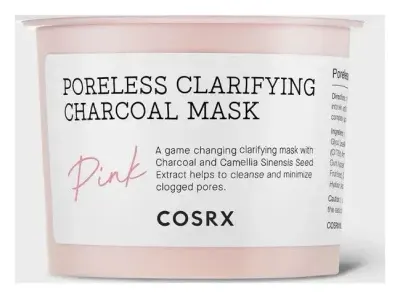
COSRX Poreless Clarifying Charcoal Mask
Charcoal · scent-free label
AmazonBrand lists it for sensitive skin
Elemis ULTRA SMART Pro-Collagen Aqua Infusion Mask
ULTRA SMART Aqua Shuttle Technology, sodium hyaluronate, Padina pavonica, collagen amino acids · combination, dry, normal, oily, sensitive skin · scented
AmazonBrand lists it for dry skin
Elemis Pro-Collagen Night Cream
Padina Pavonica Thallus Extract · combination, dry, normal skin · scented
Amazon


All 5 products with Diatomaceous Earth
Daily Moisturizers & Water Gel Creams (2)

Sheet, Hydrogel & Clay Masks (1)
Cream & Gel Treatment Masks (1)
Hydrating Serums, Essences & Ampoules (1)

Common questions
What is diatomaceous earth in skincare?
It is a mineral material formed from the fossilized remains of microscopic diatoms. Cosmetic formulas may use it as an absorbent, bulking agent, or source of texture.
Is diatomaceous earth a clay?
No. It is a siliceous mineral deposit rather than a clay mineral, although both can be used in masks and powders. Their textures and properties differ.
Can diatomaceous earth exfoliate skin?
Depending on its particle size and formula, it may add a physical abrasive effect. Use a product gently and stop if it feels scratchy or uncomfortable.
Is cosmetic diatomaceous earth the same as pool filter material?
No. A cosmetic ingredient is selected for its intended use in a formulated product, while household and industrial products have different specifications and uses. Do not put non-cosmetic material on your skin.