Ethoxydiglycol
A water-soluble glycol solvent that helps dissolve ingredients and improve the feel of serums and other formulas.
Extremely safeIn 5 products we cover
We may earn a commission when you buy through links on this page. It never changes what we recommend.
Quick facts
- INCI name
- Ethoxydiglycol
- CAS number
- 111-90-0
- Origin
- Synthetic
- Chemical class
- Glycol ether
- What it does in a formula
- solvent, humectant, viscosity controlling
- Why it is in the formula
- It helps dissolve ingredients and contributes to a smooth, spreadable product texture.
What it is
Known chemically as diethylene glycol monoethyl ether, ethoxydiglycol is a clear, water-miscible glycol ether used primarily as a solvent in cosmetic formulas. It helps dissolve actives and functional ingredients that do not readily mix with water, improving overall formula clarity and product spread.
The ending may make it sound like a drying alcohol, but ethoxydiglycol is not the same as volatile alcohols such as denatured alcohol. It is a glycol-related solvent and may also contribute humectant properties. You can see it in serums, lotions, or products that need help carrying particular ingredients.
What it does
- Dissolves ingredients. It can help keep selected ingredients in solution or distributed through a product.
- Improves spread. Its solvent properties can give a formula a smooth, even application.
- Contributes water binding. It may add humectant support alongside more familiar ingredients such as glycerin.
- Helps formula design. It is a supporting ingredient that can affect how the product feels and performs.
Who it suits
Ethoxydiglycol is usually present as a minor formula helper, so the finished product’s texture and other ingredients are more useful to consider. It is not an exfoliating acid or a drying alcohol. People who prefer to avoid certain solvents can review the whole ingredient list, but a name ending in glycol does not by itself establish that a product will dry out skin.
Any ingredient can be associated with an individual sensitivity, and concentration and product type matter. If you have very reactive skin, try a new product on its own and stop if it causes persistent discomfort. If a reaction recurs or you have a diagnosed condition, ask a dermatologist for guidance.
What to pair it with, and what not to
There is nothing specific you need to pair with ethoxydiglycol. It is included in the formula to support solubility and spread, often alongside water and humectants. Use the product as directed and select it for its complete formula rather than this solvent alone.
Skin Realist check: The ingredient list is full of names that sound like trouble. This one is a solvent, not a plot twist.
Quick picks with Ethoxydiglycol
Scent-free, no patch-test flags on the label
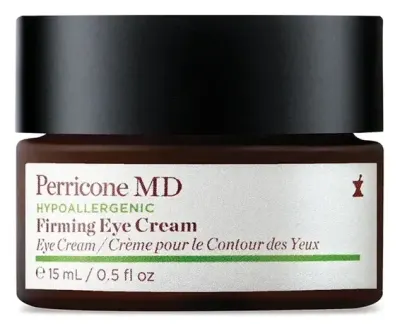
Perricone MD Hypoallergenic Firming Eye Cream
Olive polyphenols, hyaluronic acid and squalane · scent-free label
AmazonBrand lists it for sensitive skin
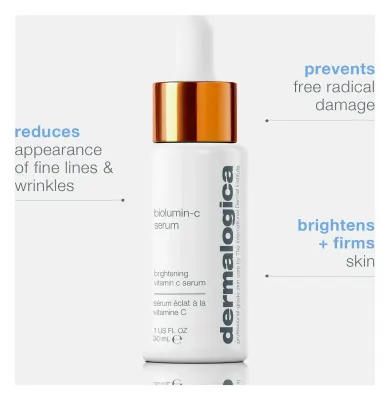
Dermalogica biolumin-c vitamin c serum
Vitamin C · oily, dry, combination, sensitive, normal skin · scented
AmazonBrand lists it for oily skin
Dermalogica powerbright dark spot peel
Glycolic acid, mandelic acid, niacinamide, tranexamic acid, omega-3 algae blend and turmeric butter blend · oily, dry, combination, sensitive, normal skin · scented
Amazon

All 5 products with Ethoxydiglycol
Targeted Vitamin C & Brightening Correctors (2)
Body Creams, Butters & Body Oils (1)
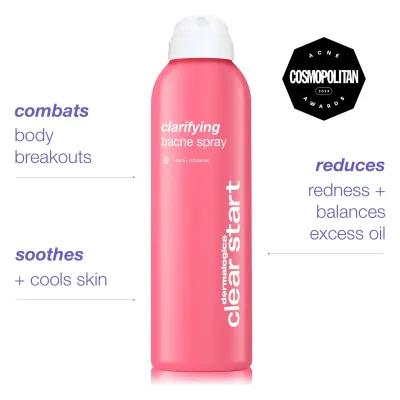
Eye Creams & Under-Eye Patches (1)
Dermatological Acne & Chemical Exfoliating Liquids (1)

Common questions
Is ethoxydiglycol a drying alcohol?
No. Ethoxydiglycol is a glycol ether used as a solvent and humectant, not a volatile drying alcohol. Compare it with [denatured alcohol](/ingredients/alcohol-denat/) rather than grouping every alcohol-related name together.
What does ethoxydiglycol do in skincare?
It helps dissolve ingredients and can improve how a product spreads. It may also support a hydrated feel as part of the formula.
Is ethoxydiglycol the same as butylene glycol?
No. Both are glycol-related ingredients, but their structures differ. They can both function as solvents or humectants in cosmetic formulas.
Can ethoxydiglycol make skincare more effective?
It can affect how ingredients dissolve or distribute in a formula, but it does not guarantee a particular result for skin. Product performance depends on the full formula and how it is used.