Ethylene/Propylene/Styrene Copolymer
How ethylene/propylene/styrene copolymer supports a cosmetic's texture, film, and wear, especially in makeup formulas.
Extremely safeIn 5 products we cover
We may earn a commission when you buy through links on this page. It never changes what we recommend.
Quick facts
- INCI name
- Ethylene/Propylene/Styrene Copolymer
- Origin
- Synthetic
- Chemical class
- Synthetic elastomeric polymer
- What it does in a formula
- film forming, viscosity controlling, binding
- Why it is in the formula
- It helps form a flexible film and gives some products body and a smooth texture.
What it is
To give lip glosses and color cosmetics flexible wear and cushiony body, formulators use ethylene/propylene/styrene copolymer as a film-forming texturizer. This synthetic polymer helps formulas spread smoothly, hold their shape, and adhere comfortably to the skin. Its exact feel depends on the other oils and emollients blended alongside it.
The word copolymer means that a material is made from more than one kind of repeating unit. That technical label does not say whether a product will feel sticky, light, or long-wearing by itself. Different grades and combinations of ingredients behave differently. It is best understood as formulation scaffolding rather than a headline active ingredient.
What it does
- Builds texture. It can contribute thickness or structure to a formula.
- Forms a flexible film. A thin film may help makeup adhere or wear evenly.
- Supports product feel. It can add slip and help the formula remain cohesive.
Who it suits
This is a supporting ingredient, not a reason to buy a product. It is used in formulas made for different skin types and product uses, so the name alone cannot predict the overall feel. If you prefer lightweight or non-film-like products, review the product description and try a small amount first.
People can react to any finished cosmetic. If you notice persistent irritation, stop using the product and check the rest of its ingredients. A polymer name is not by itself a signal that a product will be harmful or especially effective. Select formulas based on their purpose and how they feel to you.
What to pair it with, and what not to
The copolymer does not need a specific partner in your skincare routine. It works inside the formula alongside other film formers, emollients, or pigments. Use the finished product as directed. Do not try to dissolve or mix polymer ingredients into a homemade product.
Skin Realist check: Invisible scaffolding is allowed to be boring. That is often how you know it is doing its job.
Quick picks with Ethylene/Propylene/Styrene Copolymer
Scent-free, no patch-test flags on the label
Jane Iredale ColorLuxe Liquid Blush
scent-free label
Amazon
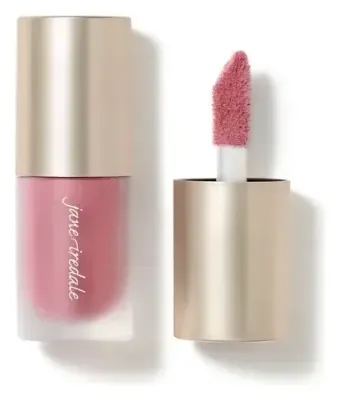
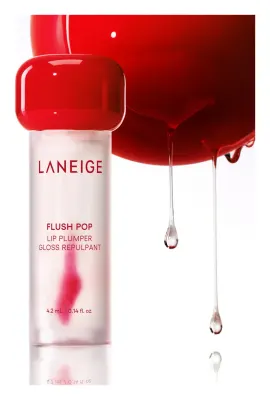
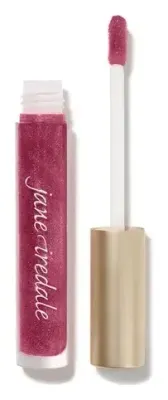
All 5 products with Ethylene/Propylene/Styrene Copolymer
Lipsticks, Glosses & Lip Liners (3)
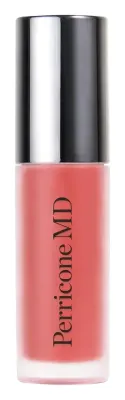
Intensive Lip Recovery Masks & Tinted Balms (1)
Blush, Bronzers & Highlighters (1)
Common questions
What does ethylene/propylene/styrene copolymer do?
It is a synthetic polymer used to help control texture and form a flexible film. It may be used in makeup and other formulas that need slip or staying power.
Is ethylene/propylene/styrene copolymer a silicone?
No. It is a hydrocarbon-based synthetic polymer, not a silicone. Its role is to support texture and film formation in a product.
Why is this copolymer in makeup?
Polymers can help a product spread smoothly and leave a flexible film. The effect depends on the complete formula and the other film-forming ingredients.
Is this ingredient an active?
No, it is mainly a texture and film-forming helper. It is not included as a stand-alone skin treatment.