Hydrogenated Castor Oil
What hydrogenated castor oil does in cosmetics, how it differs from liquid castor oil, and why waxy texture matters more than the name.
Extremely safeIn 5 products we cover
We may earn a commission when you buy through links on this page. It never changes what we recommend.
Quick facts
- INCI name
- Hydrogenated Castor Oil
- Origin
- Plant-derived
- Chemical class
- Hydrogenated plant-oil wax
- What it does in a formula
- viscosity controlling, emollient, opacifying
- Why it is in the formula
- Adds firmness, body, and a waxy emollient feel to balms and sticks.
What it is
Unlike the thick liquid castor oil pressed from Ricinus communis seeds, hydrogenated castor oil is chemically altered with hydrogen to produce a hard, wax-like cosmetic solid. This structural change saturates its fatty acids, yielding an ingredient used to build viscosity, suspend pigments, and stabilize stick formulas. The shared botanical origin does not mean the two ingredients serve interchangeable functions.
This waxy material appears in balms, lip products, sticks, makeup, and some creams. It can help a product hold its shape or make a formula feel more substantial. Processing and the broader formula determine its final feel. The name does not mean the finished ingredient is a raw seed oil, and it does not tell you the exact amount used. It is a supporting texturizer and emollient, not the headline reason to buy a product.
What it does
- Adds structure. The firmer wax helps a stick, balm, or solid product maintain its shape.
- Thickens a formula. It can add body and reduce the runny feel of an oil-rich product.
- Improves glide. It contributes a smooth, emollient feel as the product spreads across skin or lips.
- Helps bind oily ingredients. In some formulas it supports the overall texture and stability of a blend.
Who it suits
Hydrogenated castor oil may be useful in products where you want a balm-like or stick format. If you prefer a light lotion, the waxy texture may feel too rich, but that is a product preference rather than a rule about a particular skin type. It is found in makeup and lip care as well as skincare, so its placement on a label does not identify the product’s intended finish by itself.
There is no reliable universal comedogenic rating for this ingredient. A thick balm with several waxes and oils may feel different from a lightweight cream that contains a small amount. Choose by the finished texture, and patch-test if your skin is reactive or if you have reacted to a product containing it before. Anyone with a known allergy to castor-derived ingredients should ask a clinician or manufacturer about the specific material and formula.
What to pair it with, and what not to
It can be used alongside lighter emollients or a humectant such as glycerin in a finished formula. It does not need a matching serum or extra face oil. If the product already feels waxy enough, adding more occlusive layers is optional, not a required step.
Skin Realist check: A familiar plant source does not mean every version of its oil will feel the same. Texture gets a vote too.
Quick picks with Hydrogenated Castor Oil
Brand lists it for dry skin
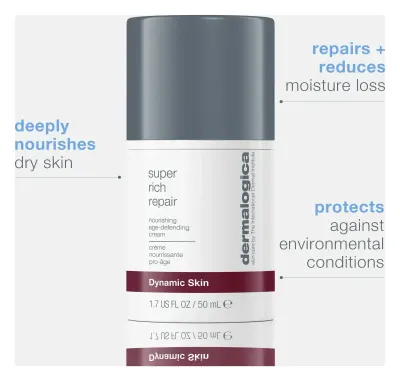
Dermalogica super rich repair moisturizer
Peptides, shea butter, evening primrose oil, borage oil, and jojoba oil · dry skin · scented
AmazonFeatured in our guides
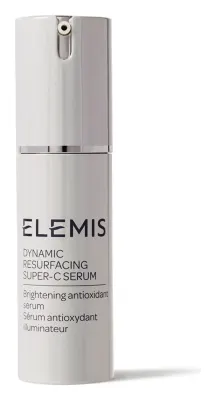
Elemis Dynamic Resurfacing Super-C Serum
Sodium ascorbyl phosphate, papain, protease, subtilisin, and rosemary leaf extract · scented
Amazon
All 5 products with Hydrogenated Castor Oil
Daily Moisturizers & Water Gel Creams (1)
Targeted Vitamin C & Brightening Correctors (1)
Dermatological Acne & Chemical Exfoliating Liquids (1)
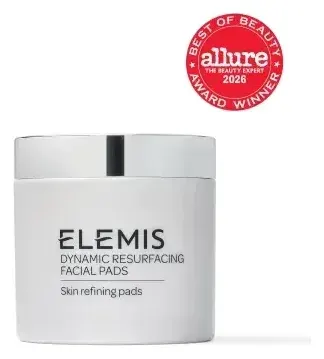
Gel, Foam & Cream Facial Cleansers (1)
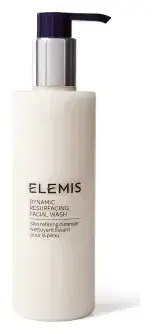
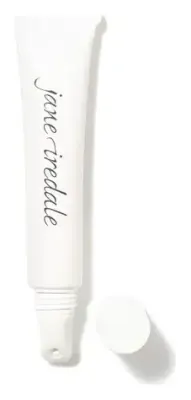
Intensive Lip Recovery Masks & Tinted Balms (1)
Common questions
What is hydrogenated castor oil?
It is castor oil that has been hydrogenated, a processing step that makes the material firmer and more wax-like. It is not simply the same liquid oil in a different bottle.
What does hydrogenated castor oil do in skincare?
It can add structure, thickness, and glide to balms, sticks, and creams. It also contributes an emollient feel.
Is hydrogenated castor oil the same as castor oil?
They share a botanical starting oil, but hydrogenation changes the material's physical properties. Hydrogenated castor oil is much firmer than the familiar liquid castor oil.
Is it comedogenic?
There is no dependable ingredient-level score that can predict whether a finished product will clog your pores. The full formula and where you apply it matter.