Hydrogenated Poly(C6-20 Olefin)
What hydrogenated poly(C6-20 olefin) does as a synthetic emollient, and how it can add a smooth, lightweight feel.
Extremely safeIn 5 products we cover
We may earn a commission when you buy through links on this page. It never changes what we recommend.
Quick facts
- INCI name
- Hydrogenated Poly(C6-20 Olefin)
- Origin
- Synthetic
- Chemical class
- Hydrogenated synthetic hydrocarbon emollient
- What it does in a formula
- emollient, skin conditioning, viscosity controlling
- Why it is in the formula
- Provides a silky emollient feel and helps products spread without relying on a plant oil.
What it is
On a formula deck, hydrogenated poly(C6-20 olefin) describes a synthetic hydrocarbon emollient built from an array of six- to twenty-carbon olefin monomers. Saturating these carbon chains through hydrogenation increases resistance to breakdown and provides clean, odorless slip. Cosmetic chemists use it for a straightforward objective: ensuring lotions and foundations spread smoothly and feel soft.
It is not a plant oil or an extract. Formulators use synthetic emollients when they want a particular glide, softness, or stability. It may be included in creams, makeup, and other products alongside oils, waxes, or silicones. The label alone does not tell you the exact sensory result because the full blend controls the finish.
What it does
- Softens skin. It acts as an emollient, helping smooth the surface and reduce a dry feel.
- Adds slip. It can help a product spread easily without the feel of some heavier oils.
- Supports consistency. It may contribute to a formula’s texture and stability.
- Offers a non-plant option. It provides an emollient effect without being a seed oil or botanical extract.
Who it suits
This ingredient can appear in products for many skin types. Someone who likes a smooth, silky finish may appreciate it, while someone who wants a very matte texture may prefer a different formula. The product’s complete oil phase and amount used matter more than this ingredient in isolation.
There is no reliable comedogenicity score that can predict whether a product will clog pores. Old lists oversimplify the way a finished formula interacts with individual skin. This is a synthetic ingredient, but synthetic is not a measure of how well it will suit you. If you have sensitive skin, patch-test the complete product and stop if it causes persistent discomfort.
What to pair it with, and what not to
Hydrogenated poly(C6-20 olefin) is a helper emollient already blended into the product, so you do not need to add another oil. It can work alongside water-binding ingredients such as glycerin or other moisturizers. Use the finished product as directed and choose a texture you enjoy.
Skin Realist check: A smooth finish does not have to come from a seed or a flower. Chemistry gets a vote too.
Quick picks with Hydrogenated Poly
Scent-free, no patch-test flags on the label
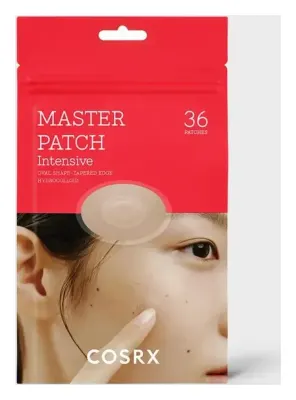
COSRX Master Patch Intensive
Hydrocolloid · scent-free label
AmazonBrand lists it for oily skin
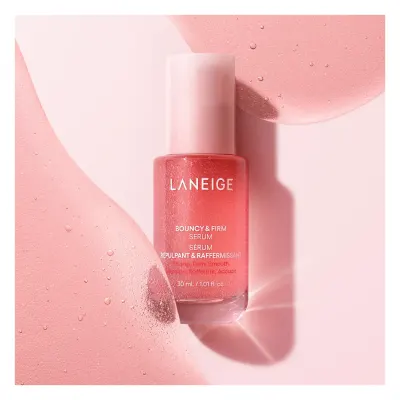
Laneige Bouncy & Firm Serum
Niacinamide, soluble collagen, peptide complex, beta-glucan · normal, dry, combination, oily skin · scented
Amazon
All 5 products with Hydrogenated Poly
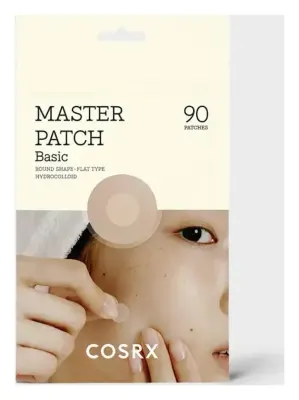
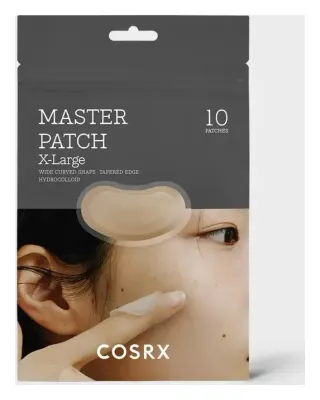
Pimple Patches & Overnight Spot Treatments (3)
Hydrating Serums, Essences & Ampoules (1)
Targeted Vitamin C & Brightening Correctors (1)

Common questions
What does hydrogenated poly(C6-20 olefin) do?
It is a synthetic emollient that helps soften skin and gives a formula slip. It can also contribute to product texture and consistency.
Is hydrogenated poly(C6-20 olefin) a plant oil?
No. It is a synthetic hydrocarbon emollient, not a pressed plant oil. Its job is to provide a smooth, oil-like feel.
Is this ingredient a microplastic?
It is a synthetic hydrocarbon, but whether a material is classified as a microplastic depends on its physical form and the definition being used. This name does not by itself describe a solid particle.
Is hydrogenated poly(C6-20 olefin) comedogenic?
Ingredient-only comedogenicity scores do not reliably predict how a finished product performs. Consider the whole formula and whether the texture feels comfortable for you.