Isopropyl Myristate
What isopropyl myristate does in skincare, why it makes creams feel silky, and how to think about pore-clogging claims.
Probably fineIn 7 products we cover
We may earn a commission when you buy through links on this page. It never changes what we recommend.
Quick facts
- INCI name
- Isopropyl Myristate
- CAS number
- 110-27-0
- Origin
- Plant-derived or Synthetic
- Chemical class
- Fatty-acid ester
- What it does in a formula
- emollient, skin conditioning, solvent
- Why it is in the formula
- Usually used as an emollient to soften skin and help products spread smoothly.
What it is
Carrying the INCI name Isopropyl Myristate, this classic cosmetic ester is formed by combining isopropyl alcohol with myristic acid, a fatty acid found in natural fats. Despite containing the word isopropyl, it is an emollient that improves product spread and absorption rather than a fast-drying rubbing alcohol. It is related to isopropyl palmitate, though built with a different fatty-acid chain length.
You may find it in moisturizers, makeup, cleansers, and other products that benefit from a soft, spreading feel. It can make a formula feel silky and help some ingredients dissolve. The ingredient list does not tell you how much is present or whether the finished product will feel light or rich. It is a supporting ingredient, not the reason to buy a product, and product texture depends on the complete formula.
What it does
- Softens skin. Isopropyl myristate is an emollient that helps leave skin feeling smooth.
- Improves glide. It helps creams and makeup spread more easily across the skin.
- Can act as a solvent. It may help dissolve ingredients that mix better with oils than water.
- Influences finish. It can contribute to a silky after-feel, though other ingredients can make the overall formula heavier.
Who it suits
Isopropyl myristate may suit someone who likes a smooth emollient finish. The product can still feel rich depending on its other oils or waxes. Ingredient-level comedogenic ratings are unreliable and do not predict every person’s response. If you are concerned about breakouts or irritation, introduce one new product at a time and consider the complete formula.
What to pair it with, and what not to
There is no special active to pair with isopropyl myristate. It can be part of the same moisturizer as humectants such as glycerin or other emollients. Choose the product for the job you want it to do and for its overall feel. Do not add extra oils to compensate for a product that already feels too rich.
Skin Realist check: An ingredient's reputation on a chart is not a prophecy about what your face will do.
Quick picks with Isopropyl Myristate
Scent-free, no patch-test flags on the label
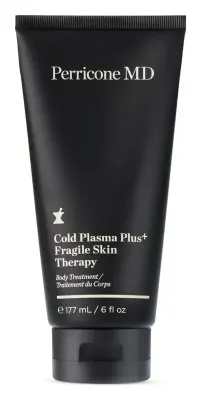
Perricone MD Cold Plasma Plus+ Fragile Skin Therapy
Growth Factor Peptide and Micro-Hyaluronic Acid; the ingredient list also includes retinol · scent-free label
AmazonFeatured in our guides
Elemis Pro-Collagen Marine Body Cream
scented
Amazon

All 7 products with Isopropyl Myristate
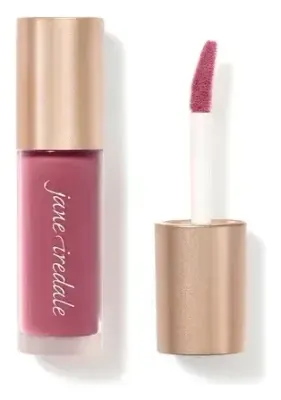
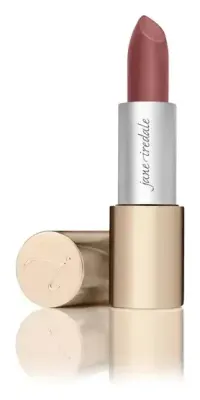
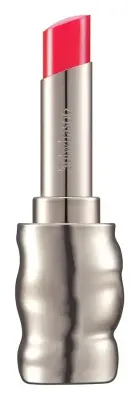
Lipsticks, Glosses & Lip Liners (3)
Body Creams, Butters & Body Oils (2)
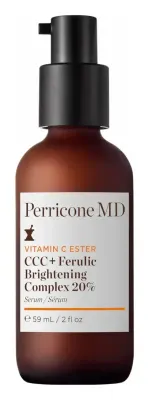
Targeted Vitamin C & Brightening Correctors (1)
High-Definition Camouflage Concealers (1)

Common questions
What does isopropyl myristate do in skincare?
It is an emollient ester that softens skin and improves the slip of lotions, creams, and makeup. It can also act as a solvent for some ingredients.
Is isopropyl myristate comedogenic?
There is no dependable universal comedogenic score for an ingredient or a finished product. If you are concerned about breakouts, try a small amount and see how your skin responds.
Is isopropyl myristate the same as isopropyl palmitate?
No. Both are emollient esters, but they are made with different fatty acids: myristic acid for isopropyl myristate and palmitic acid for isopropyl palmitate.
Should oily skin avoid isopropyl myristate?
Not automatically. Some people prefer a lighter finish, while others find an emollient ester comfortable. The whole formula and your own experience are more useful than skin type alone.