Isopropyl Titanium Triisostearate
What isopropyl titanium triisostearate does in makeup, how it helps pigments disperse, and why it is not a sunscreen filter.
Extremely safeIn 5 products we cover
We may earn a commission when you buy through links on this page. It never changes what we recommend.
Quick facts
- INCI name
- Isopropyl Titanium Triisostearate
- Origin
- Synthetic
- Chemical class
- Titanium-organic pigment treatment agent
- What it does in a formula
- binding, skin conditioning
- Why it is in the formula
- It can coat pigment particles to help them disperse evenly and improve how makeup applies.
What it is
In foundations and color cosmetics, isopropyl titanium triisostearate functions as a specialized surface treatment that helps mineral pigments disperse evenly in oils. Although its name includes titanium, it is not titanium dioxide and does not act as a sunscreen filter. Instead, it coats individual pigment particles so they blend smoothly with surrounding cosmetic oils. The ingredient deck does not specify the coating percentage or particle treatment method.
What it does
- Treats pigment surfaces. It can help coat pigment particles so they mix more evenly into the formula.
- Improves application. More even dispersion can support smoother spreading and a consistent-looking finish.
- Supports makeup performance. It is a helper ingredient rather than a colorant or UV filter by itself.
Who it suits
This ingredient is mainly relevant if you use makeup or other color cosmetics that rely on dispersed pigments. It is not an active skincare ingredient, and it does not create sun protection on its own. If a product is marketed as a sunscreen, look for its declared active ingredients and labeled SPF rather than assuming a titanium-containing helper adds protection. In the United States, sunscreen products are regulated as OTC drugs, and only authorized active ingredients serve as UV filters.
The rest of the formula still determines how a foundation, concealer, or tinted product feels on your skin. If you have a sensitivity to a finished product, stop using it and review the complete ingredient list. Do not confuse this ingredient with titanium dioxide or treat the name as a promise of mineral sunscreen protection.
What to pair it with, and what not to
There is nothing to pair with isopropyl titanium triisostearate. It is incorporated into a pigment-containing formula by the manufacturer. For daytime sun protection, use a sunscreen product with an appropriate labeled SPF rather than relying on this ingredient.
Skin Realist check: A titanium name in makeup does not automatically mean sunscreen. Sometimes the ingredient is there to help the pigment behave.
Quick picks with Isopropyl Titanium Triisostearate
Scent-free, no patch-test flags on the label
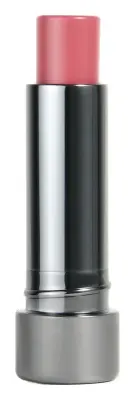
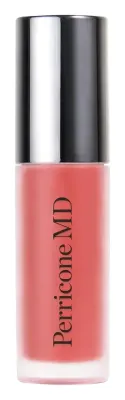
Perricone MD No Makeup Blush Balm
scent-free label
Amazon
All 5 products with Isopropyl Titanium Triisostearate
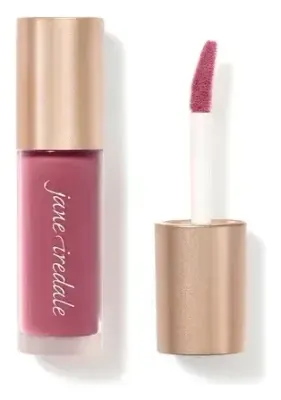
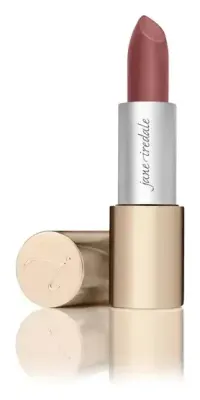
Lipsticks, Glosses & Lip Liners (3)
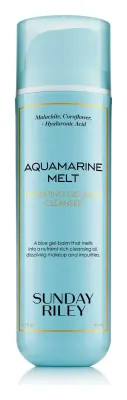
Premium Double-Cleansing Balms & Melting Gels (1)
Blush, Bronzers & Highlighters (1)
Common questions
What does isopropyl titanium triisostearate do in makeup?
It is used to coat or treat pigment particles, helping them disperse more evenly and improve application. It can also support a smoother, more uniform finish.
Is isopropyl titanium triisostearate a sunscreen ingredient?
No. It is not a UV filter and does not provide SPF on its own. In the United States, only permitted sunscreen active ingredients in an appropriately labeled sunscreen count as UV filters.
Is this ingredient related to titanium dioxide?
Both names include titanium, but they refer to different cosmetic materials with different functions. Titanium dioxide can be used as a pigment or sunscreen active in authorized products, while this ingredient is commonly used to treat pigments.
Why is it in foundation?
It can help pigments spread and remain distributed more evenly in a makeup formula. That can support smoother application, but the whole formula determines coverage and finish.