Moringa Oil/Hydrogenated Moringa Oil Esters
What Moringa Oil/Hydrogenated Moringa Oil Esters does in skincare, its usual role in cosmetic formulas, who may prefer it, and what to know before using it.
Extremely safeIn 5 products we cover
We may earn a commission when you buy through links on this page. It never changes what we recommend.
Quick facts
- INCI name
- Moringa Oil/Hydrogenated Moringa Oil Esters
- Origin
- Plant-derived or Synthetic
- Chemical class
- Plant oil and hydrogenated oil esters
- What it does in a formula
- emollient, skin conditioning
- Why it is in the formula
- Usually included as an emollient blend to soften skin and give products a smooth, cushioned feel.
What it is
On cosmetic packaging, this combined ingredient name designates natural moringa seed oil blended with its hydrogenated esters. The base oil is cold-pressed from seeds of Moringa oleifera, a tree native to South Asia. Through hydrogenation, formulators alter the lipid structure to create firmer, more stable ester compounds, resulting in a functional emollient mixture rather than a single molecule.
The exact ratio and processing details are not stated on the label. Plant oils contain mixtures of fatty acids and can change over time through oxidation, while hydrogenation can make fats more resistant to oxidation. Product packaging, storage, and the full formula all affect shelf life, so follow the product?s printed guidance.
What it does
- Softens skin. The oil and ester blend provides emollient conditioning.
- Adds glide. It can help a cream or balm spread smoothly without the feel of a plain, heavy oil.
- Supports a stable texture. Hydrogenated material can contribute structure and a more consistent finish.
Who it suits
This emollient blend may appeal if you like a soft, conditioned finish. If you prefer a very light texture or find richer oils uncomfortable, choose a different formula. The product name does not reveal exact fatty-acid proportions, and no comedogenic rating can predict how it will suit an individual.
What to pair it with, and what not to
It can be paired with water-binding ingredients such as glycerin in a moisturizer, since humectants and emollients have complementary roles. There is no special active that must accompany it. Store the finished product as directed and avoid keeping an opened oil-rich product beyond its stated use period. There is no need to build a routine around this ingredient alone. Choose compatible textures, follow product directions, and let the complete formula do its intended job.
Skin Realist check: A comfortable emollient finish is enough of a reason to exist. Skincare does not need every ingredient to have a backstory.
Quick picks with Moringa Oil/Hydrogenated Moringa Oil Esters
Scent-free, no patch-test flags on the label
Jane Iredale Circle\Delete Concealer
Moringa butter, avocado oil, and green tea extract · scent-free label
Amazon
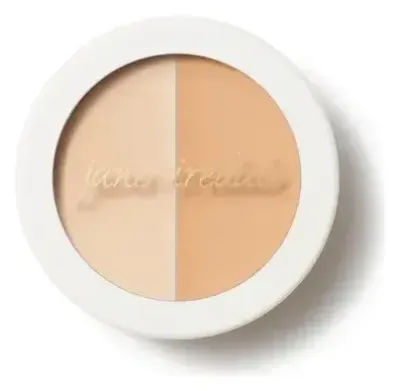
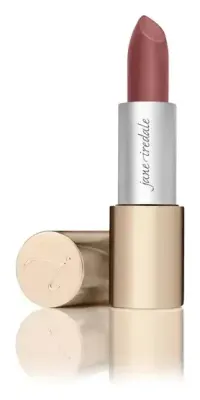
All 5 products with Moringa Oil/Hydrogenated Moringa Oil Esters
High-Definition Camouflage Concealers (3)

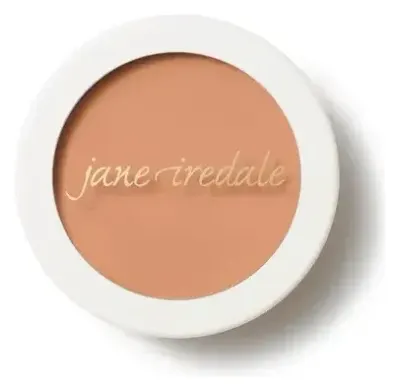
Eye Creams & Under-Eye Patches (1)

Lipsticks, Glosses & Lip Liners (1)
Common questions
What does moringa oil and hydrogenated moringa oil esters do?
The combined ingredient acts mainly as an emollient, helping soften skin and improve a formula?s glide. Hydrogenation changes the oil?s texture and stability.
What part of moringa is used for the oil?
Moringa oil is pressed from the seeds of Moringa oleifera. This combined INCI also includes hydrogenated moringa oil esters.
Can moringa oil go rancid?
Plant oils can oxidize over time, though formulation and processing affect stability. Follow storage and use-period instructions, and discard a product if it changes noticeably.