Parabens
What parabens do as cosmetic preservatives, why they became controversial, and how to think about paraben-free labels.
Extremely safeIn 1 product we cover
We may earn a commission when you buy through links on this page. It never changes what we recommend.
What it is
Parabens are a family of preservatives used in cosmetics and other personal-care products. You may see individual names such as methylparaben, ethylparaben, propylparaben, or butylparaben on a label. A formula uses a particular member or combination, not “parabens” as one single ingredient with one identical profile.
Preservatives help limit microbial growth, especially in products that contain water and are opened repeatedly. Their purpose is to help maintain product quality through ordinary use. Packaging and storage matter too, but simply leaving out a preservative is not always a practical choice for a water-containing product.
What it does
- Helps preserve cosmetics. Parabens are used to control microbial growth in a range of formulas.
- Supports product quality. They are one part of a product’s preservation system, alongside packaging and storage.
- Identifies a group, not one substance. Different paraben names refer to individual ingredients within the family.
Who it suits
Parabens receive attention because some research has raised questions about possible hormone-related effects. Those concerns should be described fairly: laboratory findings and questions about exposure have prompted discussion, but the presence of a paraben on a label by itself does not tell you the amount in the product or your total exposure. Ingredient lists are useful for identifying what is present, not for making a complete assessment of risk.
Some parabens are restricted or not permitted for use in cosmetics in the EU, while other members of the group are allowed subject to applicable rules. This is not a blanket restriction on every paraben. Many products are marketed as paraben-free, so a person who prefers to avoid them can compare labels. Someone with a known allergy to a specific paraben should check for that ingredient and may want advice from a dermatologist. A “free-from” claim does not establish that the replacement preservative is a better fit for every person.
What to pair it with, and what not to
Parabens are preservatives, not active ingredients that need to be paired with another skincare step. There is no need to add a product to offset them. If you are comparing a paraben-containing formula with a paraben-free one, look at the entire ingredient list and packaging, not only the front label claim. Choose based on a known allergy or a genuine product preference, and use the product as directed. Avoid formulas containing an ingredient you have been told to avoid, and consult a clinician if you are trying to investigate a recurring skin reaction.
Skin Realist check: A familiar ingredient category can get a loud internet reputation. Labels are more helpful when you separate a real preference from a headline.
How it appears on labels: Methylparaben; Butylparaben
All 1 product with Parabens
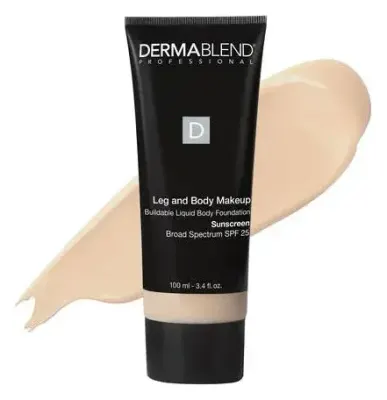
Full-Coverage Camouflage & Liquid Foundations (1)
Common questions
What are parabens in skincare?
Parabens are a family of preservatives used to help limit microbial growth in cosmetics. Individual parabens have different names, such as methylparaben and propylparaben.
Why are parabens controversial?
The discussion grew from research about possible hormone-related effects and concerns about exposure. The presence of a paraben on a product label alone does not explain the amount or the overall exposure, so the topic is more nuanced than a simple label verdict.
Are some parabens restricted in the EU?
Yes. EU rules restrict or prohibit certain parabens, while allowing others subject to requirements. A product's compliance depends on which ingredient it uses and how the finished formula is made.
Does paraben-free mean a product is better?
Not necessarily. Many products are marketed as paraben-free, but they may use other preservatives instead. If you have a known allergy or a personal preference, compare the full ingredient lists and choose accordingly.