Polybutene
How polybutene adds thickness, shine, and lasting slip to lip products, makeup, and other cosmetic formulas.
Extremely safeIn 7 products we cover
We may earn a commission when you buy through links on this page. It never changes what we recommend.
Quick facts
- INCI name
- Polybutene
- Origin
- Synthetic
- Chemical class
- Synthetic hydrocarbon polymer
- What it does in a formula
- film forming, viscosity controlling, binding
- Why it is in the formula
- It thickens and binds a formula while adding a smooth, glossy film.
What it is
Known for its viscous, tacky texture and glossy film-forming ability, polybutene is a synthetic hydrocarbon polymer used to thicken decorative cosmetics and skincare. It is especially common in lip glosses, lipsticks, and liquid makeup. By creating a cohesive barrier over the lips, it helps maintain long-wearing shine and anchors pigments during everyday wear.
Polybutene is not a treatment active. It is a texture and film-forming ingredient chosen for how it behaves in the finished formula. Calling it a polymer does not tell you whether it is a solid particle or what happens after a particular product is rinsed away or discarded. Environmental questions depend on the material’s form and the product’s use, not the polymer label alone.
What it does
- Thickens a formula. It can give glosses and other products a dense, cushiony consistency.
- Adds shine and slip. Its smooth film can make lip products glide and look glossy.
- Helps bind ingredients. It can contribute to a cohesive formula that holds together.
Who it suits
Polybutene is a supporting ingredient, not the reason to buy a product. It is common in lip formulas where a glossy, longer-wearing texture is wanted. If you prefer a less sticky feel, a thinner balm or lipstick may be more comfortable. The complete formula, including waxes, pigments, and fragrance, affects the final result.
If a product causes persistent irritation, discontinue it and look over the whole ingredient list. There is no need to treat the word polymer as an automatic warning or a promise of performance. Choose a texture that you like and use the product as directed. People who want to minimize a particular kind of material should seek specific information from the manufacturer about its product, rather than infer details from the name alone.
What to pair it with, and what not to
Polybutene does not need a skincare active to balance it. It is built into the product’s texture system, so use a lip gloss or balm as directed. Pair it with other lip products only if you like the combined feel, and stop if layering leaves your lips uncomfortable. A plain balm can be a simpler option when you want less shine or tack.
Skin Realist check: Gloss has its own logic. Sometimes the job is simply to stay shiny and stay put.
Quick picks with Polybutene
Scent-free, no patch-test flags on the label
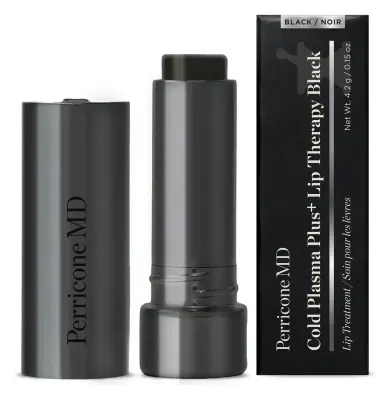
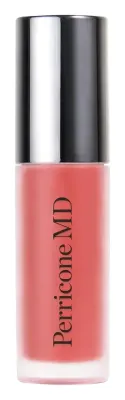
Perricone MD Cold Plasma Plus + Lip Therapy Black
Hyaluronic acid, peptides, avocado oil, shea butter · scent-free label
AmazonFeatured in our guides
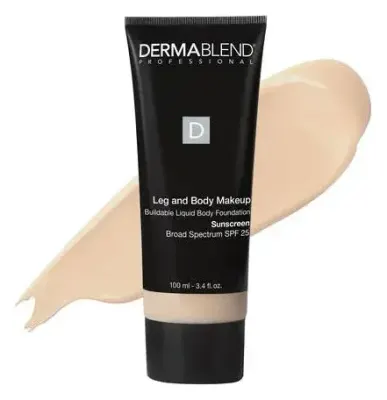
Dermablend Leg and Body Makeup
scent-free label
Amazon
All 7 products with Polybutene
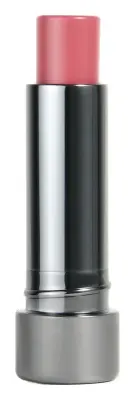
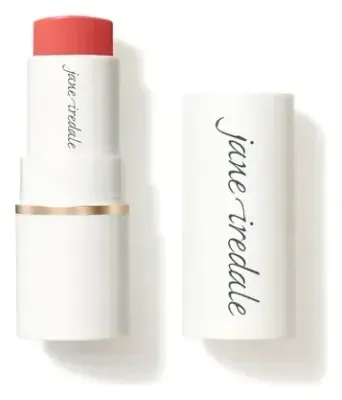
Blush, Bronzers & Highlighters (3)
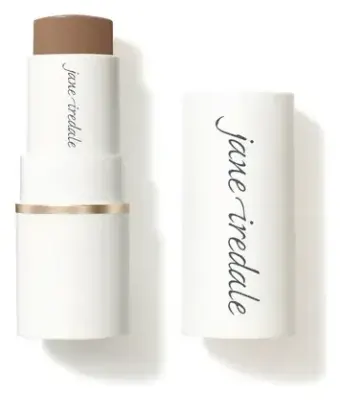
Full-Coverage Camouflage & Liquid Foundations (1)
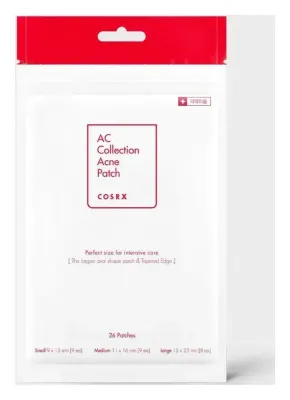
Pimple Patches & Overnight Spot Treatments (1)
Intensive Lip Recovery Masks & Tinted Balms (1)
Lipsticks, Glosses & Lip Liners (1)
Common questions
What does polybutene do in cosmetics?
It is a thick, synthetic polymer used to add viscosity, slip, and a glossy film. It is common in lip products and may appear in makeup or skincare.
Is polybutene a plastic?
Polybutene is a synthetic polymer, but the ingredient name alone does not tell you its physical form, size, or environmental fate in a finished product. It is not the same as a visible microbead.
Why is polybutene in lip gloss?
Its thick texture helps a gloss feel smooth and cling to the lips, while contributing shine. Other oils, waxes, and pigments shape the finished product too.
Is polybutene bad for skin?
It is used as a cosmetic texture ingredient, and individual responses vary. If a product causes irritation, stop using it and consider all of its ingredients rather than this polymer alone.