Protease
What protease enzymes do in exfoliating cosmetics, why enzyme formulas vary, and why a cautious approach can make sense.
Probably fineIn 7 products we cover
We may earn a commission when you buy through links on this page. It never changes what we recommend.
Quick facts
- INCI name
- Protease
- Origin
- Biotech (fermentation)
- Chemical class
- Proteolytic enzyme
- What it does in a formula
- exfoliating, skin conditioning
- Why it is in the formula
- Usually added to loosen surface buildup and help create a smoother-feeling finish.
What it is
Used in skincare primarily for enzymatic exfoliation, protease is a class of proteolytic enzymes that break down protein bonds. Cosmetic grades are typically manufactured through microbial fermentation or biological culture, yielding preparations that differ in enzyme concentration. The simple label name does not provide the enzymatic activity units or the specific biological strain used.
In exfoliating products, protease is used to help loosen surface buildup and support a smoother-feeling finish. The idea is enzyme activity at the skin surface, not a promise to target a skin condition. Evidence and performance depend on the specific enzyme and formulation, so treat product claims with care.
What it does
- Supports surface exfoliation. Protease enzymes can break down proteins in surface material.
- Helps refine feel. A product may leave skin feeling smoother after use.
- Acts as a formula active. Unlike many helpers, it can be part of the product’s exfoliating purpose.
Who it suits
If you already use exfoliating acids or retinoids, consider the total routine before adding an enzyme exfoliant. Using several exfoliating products at once can be uncomfortable for some people. Follow the package directions, start conservatively, and do not use a product more often than directed.
People with sensitive or easily irritated skin may want to patch-test first or choose a simpler routine. Avoid applying exfoliants to irritated or broken skin. Stop if burning or persistent redness occurs. Ask a dermatologist about a skin condition or ongoing irritation instead of trying to exfoliate through it.
What to pair it with, and what not to
Do not assume a protease product needs another exfoliant beside it. Pair the routine with a moisturizer that feels comfortable, and use sunscreen as directed during daytime routines. Keep other active steps simple while you learn how the product feels.
Skin Realist check: An enzyme does not earn extra points for being enthusiastic. Start gently, and let your skin set the pace.
Quick picks with Protease
Scent-free, no patch-test flags on the label
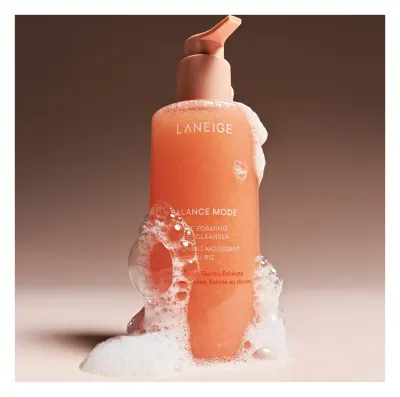
Laneige Balance Mode Rice Foaming Deep Cleanser
Rice-inamide Complex, rice powder, glycolic acid, and ceramide · combination, oily, normal, sensitive skin · scent-free label
AmazonBrand lists it for sensitive skin
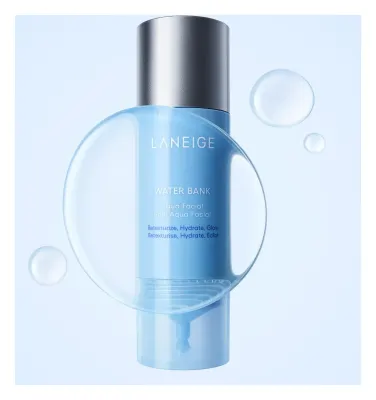
Laneige Water Bank Aqua Facial
AHA, BHA, PHA, niacinamide, ceramide NP, hyaluronic acid, polyglutamic acid · normal, dry, combination, oily, sensitive skin · scent-free label
AmazonFeatured in our guides
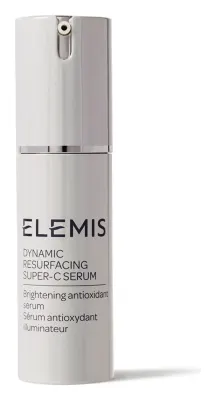
Elemis Dynamic Resurfacing Super-C Serum
Sodium ascorbyl phosphate, papain, protease, subtilisin, and rosemary leaf extract · scented
Amazon
All 7 products with Protease
Targeted Vitamin C & Brightening Correctors (2)

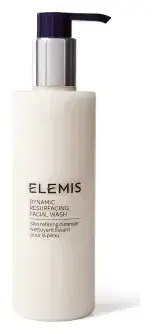
Gel, Foam & Cream Facial Cleansers (2)
Dermatological Acne & Chemical Exfoliating Liquids (2)
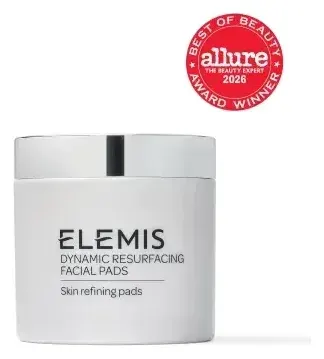
Cream & Gel Treatment Masks (1)
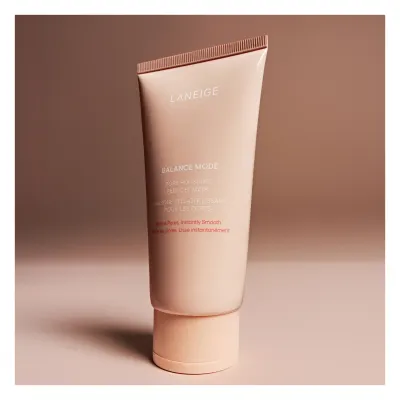
Common questions
What does protease do in skin care?
Proteases are enzymes that break down proteins. In some cosmetic products, they are used for surface exfoliation and a smoother-feeling finish.
Is protease the same as an exfoliating acid?
No. A protease is an enzyme, while ingredients such as glycolic acid are acids. Both can be used in exfoliating products, but their chemistry and formula behavior differ.
Can protease irritate skin?
Yes, enzyme exfoliating formulas can bother some people, especially if they are used too often or combined with other exfoliants. Follow product directions and stop if irritation develops.
Is protease a single ingredient?
Protease is a broad name for protein-digesting enzymes, not necessarily one defined molecule. The source, activity, and formula can vary between products.