Pomegranate Seed Oil
What pomegranate seed oil contributes to skincare, including its distinctive fatty acids, emollient feel, and storage needs.
Extremely safeIn 6 products we cover
We may earn a commission when you buy through links on this page. It never changes what we recommend.
Quick facts
- INCI name
- Punica Granatum Seed Oil
- Origin
- Plant-derived
- Chemical class
- Plant oil (triglycerides)
- What it does in a formula
- emollient, skin conditioning
- Why it is in the formula
- It softens skin and adds an emollient oil phase to creams and facial oils.
What it is
Pressed from the seeds of the pomegranate plant (Punica granatum), pomegranate seed oil is a plant-derived emollient used in facial oils, rich creams, and leave-on formulas. Its fatty-acid profile features punicic acid, a distinctive polyunsaturated fatty acid that often forms a major component alongside smaller amounts of other fatty acids. The exact balance varies with crop source, climate, and oil processing.
The word pomegranate can also appear on labels for extracts made from other parts of the plant, such as fruit or peel. Those are not the same ingredient as seed oil. As with many botanical oils, processing and packaging influence the final material. Exposure to heat, light, and air can contribute to oxidation, so store a product as directed and pay attention to changes in smell or appearance.
What it does
- Softens skin. The oil acts as an emollient and helps leave the skin surface feeling smoother.
- Adds richness. It can give a cream or facial oil more slip and a nourishing, oil-rich finish.
- Helps reduce moisture loss. As part of a leave-on formula, it can contribute an oily layer that slows water loss from the surface.
Who it suits
Pomegranate seed oil may suit people who enjoy botanical oils and want an emollient finish. It is not automatically right for every skin type, and the seed oil’s fatty-acid profile cannot predict how a full product will feel on your face. Comedogenic ratings are unreliable, so there is no score that can promise whether an oil will clog pores for a particular person.
If you prefer light textures, a lotion or gel-cream may be more comfortable than a facial oil. Check the complete ingredient list if you avoid fragrance or other botanicals. Try one new product at a time and discontinue use if it causes persistent irritation. Freshness and packaging matter for oils, so follow the storage and after-opening instructions.
What to pair it with, and what not to
Pomegranate seed oil can be used alone as a formulated face oil or within a moisturizer, typically after water-based steps according to product directions. It does not need a special active alongside it. Avoid layering several rich oils if the result feels heavy, and use sunscreen during the day as directed.
Skin Realist check: A distinctive oil still has to earn its place by feeling good in the formula you actually use.
Quick picks with Pomegranate Seed Oil
Scent-free, no patch-test flags on the label
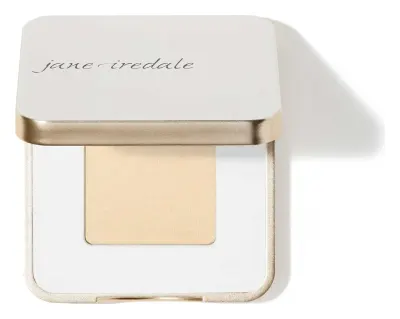
Jane Iredale PurePressed Eye Shadow Single
Mica, synthetic fluorphlogopite, shea butter, jojoba seed oil, pine bark extract, tin oxide · sensitive skin · scent-free label
AmazonBrand lists it for sensitive skin
Elemis ULTRA SMART Pro-Collagen Aqua Infusion Mask
ULTRA SMART Aqua Shuttle Technology, sodium hyaluronate, Padina pavonica, collagen amino acids · combination, dry, normal, oily, sensitive skin · scented
AmazonBrand lists it for dry skin
Elemis ULTRA SMART Pro-Collagen Day Cream
ULTRA SMART Aqua Shuttle Technology, ULTRA SMART Line Fighting Complex, ULTRA SMART Resilience Complex · combination, dry, normal skin · scented
Amazon


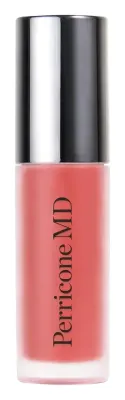
All 6 products with Pomegranate Seed Oil
Daily Moisturizers & Water Gel Creams (2)

Cream & Gel Treatment Masks (1)
Eye Shadows, Liners, Mascara & Brow Makeup (1)
Hydrating Serums, Essences & Ampoules (1)

Lipsticks, Glosses & Lip Liners (1)
Common questions
What does pomegranate seed oil do for skin?
It is an emollient oil that softens skin and adds a conditioning feel. It is used in facial oils, creams, and other leave-on products.
What is special about pomegranate seed oil?
It is typically rich in punicic acid, a distinctive polyunsaturated fatty acid. The exact profile can vary with growing conditions and how the oil is processed.
Is pomegranate seed oil good for dry skin?
Its emollient texture may appeal if you like richer oils that soften skin and help limit moisture loss. The finished product's texture and the rest of its ingredients matter too.
Can pomegranate seed oil go bad?
Like other plant oils, it can oxidize over time, especially when exposed to heat, light, or air. Follow storage directions and stop using a product if its smell, color, or texture changes noticeably.