Ultramarines (CI 77007)
What Ultramarines (CI 77007) does in skincare, its usual role in cosmetic formulas, who may prefer it, and what to know before using it.
Extremely safeIn 6 products we cover
We may earn a commission when you buy through links on this page. It never changes what we recommend.
Quick facts
- INCI name
- Ultramarines (CI 77007)
- Origin
- Mineral or Synthetic
- Chemical class
- Inorganic pigment (sulfur-containing aluminosilicate)
- What it does in a formula
- colorant
- Why it is in the formula
- Usually added as a pigment to fine-tune a product?s shade or provide blue, violet, or pink tones.
What it is
Designated internationally under Color Index number CI 77007, ultramarines are synthetic inorganic mineral pigments composed of sulfur-containing aluminosilicates. Formulators blend various grades to produce vibrant blue, violet, and pink tones in makeup, facial powders, and soaps.
Pigments matter for shade matching in makeup and other colored cosmetics. U.S. color additives are regulated for specific uses, and the FDA distinguishes whether an additive is permitted around the eyes, on lips, or for general external use. FDA lists ultramarines as exempt from batch certification, with restrictions that include not using them in the eye area.
What it does
- Adds or adjusts color. Ultramarines can contribute blue, violet, or pink tones depending on grade and blend.
- Helps with shade matching. Pigments are combined in adjustments to make makeup and tinted products look the intended color.
- Uses a regulated color identity. Labels may show the CI number or a pigment name, and permitted uses depend on applicable rules.
Who it suits
As a colorant, ultramarine is not included to treat or condition skin. It may be present in makeup made for different skin types. If you are choosing a product for the eye area, pay attention to its intended use and color additive rules; the FDA specifically restricts ultramarines from use around the eyes.
What to pair it with, and what not to
There is no skin-care active to pair with a pigment. In makeup, ultramarines may be blended with iron oxides or other pigments to fine-tune shade. Remove makeup as directed and use the product only in the area for which it is labeled. There is no need to build a routine around this ingredient alone. Choose compatible textures, follow product directions, and let the complete formula do its intended job.
Skin Realist check: A colorant?s job is shade, not skin transformation. That is a perfectly respectable job description.
Quick picks with Ultramarines
Scent-free, no patch-test flags on the label
Dermaflage Tattoo Cover Up Concealer
scent-free label
Amazon
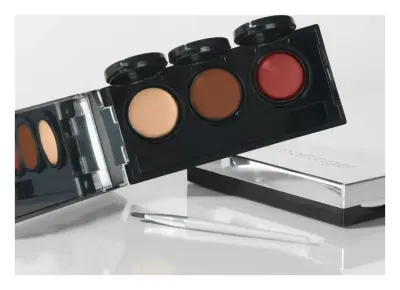
All 6 products with Ultramarines
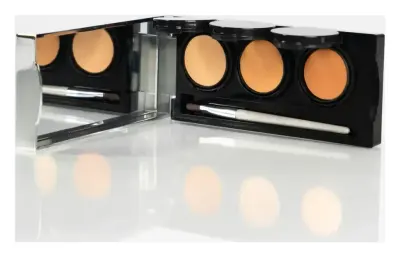
High-Definition Camouflage Concealers (2)
Daily Moisturizers & Water Gel Creams (1)

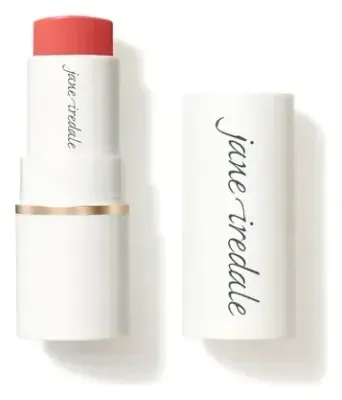
Blush, Bronzers & Highlighters (1)
Hydrating Serums, Essences & Ampoules (1)

Eye Shadows, Liners, Mascara & Brow Makeup (1)

Common questions
What does CI 77007 do in makeup?
CI 77007 identifies ultramarines, pigments used to add or adjust color. They can contribute blue, violet, or pink tones in a blend.
Are ultramarines allowed in cosmetics?
The FDA lists ultramarines as color additives exempt from batch certification for specified cosmetic uses. Its table indicates that they are not permitted for use in the eye area.
Are ultramarines natural?
They are inorganic mineral-type pigments manufactured to cosmetic specifications. The label does not tell you the exact raw material source or processing route.