Acrylates/Beheneth-25 Methacrylate Copolymer
What acrylates/beheneth-25 methacrylate copolymer does in cosmetics, how it changes texture, and why it is a supporting ingredient.
Extremely safeIn 6 products we cover
We may earn a commission when you buy through links on this page. It never changes what we recommend.
Quick facts
- INCI name
- Acrylates/Beheneth-25 Methacrylate Copolymer
- Origin
- Synthetic
- Chemical class
- Synthetic copolymer
- What it does in a formula
- viscosity controlling, emulsion stabilizing, film forming
- Why it is in the formula
- Usually used to thicken or stabilize a formula and help it spread evenly.
What it is
On cosmetic labels, Acrylates/Beheneth-25 Methacrylate Copolymer identifies a synthetic copolymer added to manage formula texture and stability. Made from multiple chemical building blocks, it is not a plant extract or a skincare active. Formulators include it in creams, lotions, gels, and makeup to thicken the base, maintain uniformity, or improve spread.
What it does
- Builds viscosity. It can help a thin product feel thicker or give a gel more body.
- Supports stability. It may help keep a mixture from separating or changing texture during normal storage.
- Improves spread. Its film-forming or texture contribution can help a product apply evenly.
- Shapes the finish. The full formula determines whether the product feels light, tacky, or rich.
Who it suits
This polymer is not aimed at a particular skin type. Its job is to build the product’s structure, and you are more likely to notice the resulting texture than a direct skin effect. A polymer on a label is not by itself a reason to assume a formula is harsh or unsuitable. If you notice persistent irritation, consider the complete formula and stop using the product.
What to pair it with, and what not to
There is no special ingredient to pair with this copolymer. It works inside the product, often with humectants such as glycerin. Choose a formula for its intended job and texture. Texture also depends on the rest of the product, so use its directions rather than judging one polymer in isolation.
Skin Realist check: A texture ingredient can be doing its job perfectly while remaining the least interesting thing about your moisturizer.
Quick picks with Acrylates/Beheneth-25 Methacrylate Copolymer
Scent-free, no patch-test flags on the label
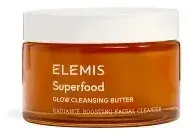
Elemis Superfood Glow Cleansing Butter
Lactobacillus/Acerola Cherry Ferment · scent-free label
AmazonBrand lists it for sensitive skin
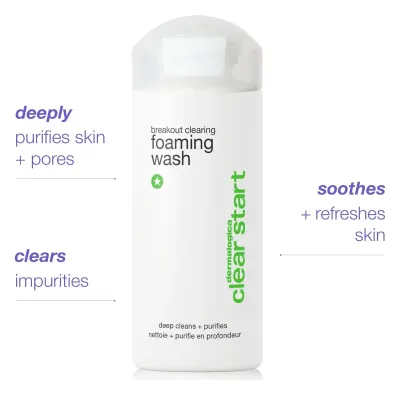
Dermalogica breakout clearing foaming wash
Tea tree leaf oil, oleanolic acid, and licorice root extract · dry, oily, combination, sensitive, normal skin · scented
AmazonBrand lists it for oily skin
Elemis ULTRA SMART Pro-Collagen Aqua Infusion Mask
ULTRA SMART Aqua Shuttle Technology, sodium hyaluronate, Padina pavonica, collagen amino acids · combination, dry, normal, oily, sensitive skin · scented
Amazon

All 6 products with Acrylates/Beheneth-25 Methacrylate Copolymer
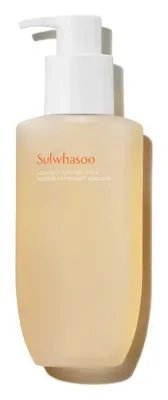
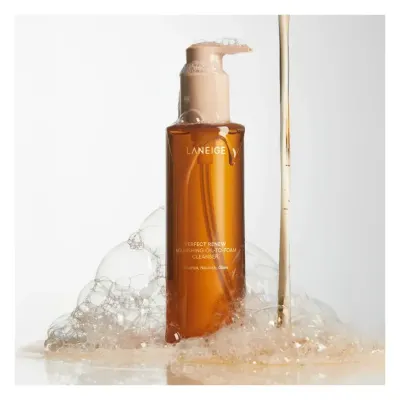
Gel, Foam & Cream Facial Cleansers (3)
Premium Double-Cleansing Balms & Melting Gels (1)
Cream & Gel Treatment Masks (1)
Body Creams, Butters & Body Oils (1)
Common questions
What does acrylates/beheneth-25 methacrylate copolymer do?
It is a synthetic polymer used to thicken and stabilize products or help a formula spread. Its job is mainly structural.
Is this copolymer a plastic?
It is a synthetic polymer, but the word polymer alone does not mean it is a plastic microbead. Its physical form, use, and environmental behavior depend on the specific material.
Is acrylates copolymer bad for skin?
It is used as a texture helper rather than an exfoliant or fragrance. A product's suitability depends on its complete formula and your own response, not just the polymer name.
Is this ingredient natural?
No, it is manufactured from synthetic building blocks. It is used to give products a specific texture or stability.