Azelaic Acid
What azelaic acid does in skincare, which skin concerns it may help the look of, who it suits, and how to pair it with other actives.
Extremely safeProbably fineIn 2 products we cover
We may earn a commission when you buy through links on this page. It never changes what we recommend.
What it is
Azelaic acid is a naturally occurring dicarboxylic acid found in grains such as barley, wheat, and rye. In skincare, it is used in products intended to improve the look of uneven tone, blemishes, and redness. Some formulas use azelaic acid itself, while ingredient labels may also include azeloyl derivatives. Those related names do not guarantee that two products will feel or perform the same way.
It comes in creams, gels, and serums, sometimes alongside ingredients such as niacinamide or moisturizing agents. The overall formula matters: a product’s texture and supporting ingredients can affect how comfortable it feels on your skin.
What it does
- Helps the look of uneven tone. Azelaic acid is used in products for the appearance of dark marks and post-blemish marks. Expect gradual change rather than a quick fade.
- Helps improve the look of blemishes. It is a common choice for routines focused on clearer-looking skin, though cosmetic products are not a substitute for professional care for persistent or painful breakouts.
- Can help calm the look of redness. Some people choose it when visible redness is part of their concern. Skin responses vary, and redness that persists or worries you is worth discussing with a dermatologist.
- Fits different product types. You can find it in leave-on formulas with different textures, so you do not have to choose a serum if creams suit you better.
Who it suits
It may suit someone looking for one ingredient to address the appearance of both uneven tone and blemishes. If your skin is reactive, introduce it slowly and use it as directed. Mild tingling or dryness can happen; persistent burning, swelling, or a rash is a reason to stop the product and seek advice. Do not apply it to broken or irritated skin unless a clinician has specifically advised you to.
What to pair it with, and what not to
A simple moisturizer can help keep a routine comfortable, and sunscreen is useful when you are working on the look of uneven tone. It can sit alongside niacinamide or ceramides, depending on the formula. Retinoids and exfoliating acids are not automatically incompatible, but putting several potentially irritating products on at once makes it harder to tell what your skin likes. Add one new active at a time, and scale back if your skin feels overworked.
Skin Realist check: Azelaic acid is the routine equivalent of a calm, competent friend who does not need a dramatic entrance. Give it time, and do not make every night a chemistry experiment.
How it appears on labels: AZELAIC ACID; Potassium Azeloyl Diglycinate
All 2 products with Azelaic Acid
Skin Barrier Repair Creams & Recovery Jars (1)
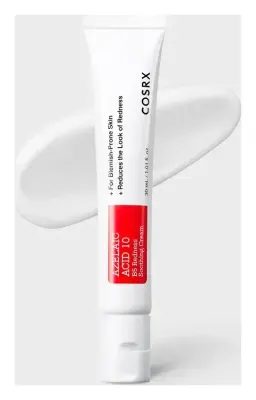
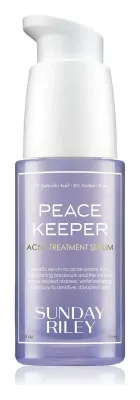
Dermatological Acne & Chemical Exfoliating Liquids (1)
Common questions
What does azelaic acid do in skincare?
Azelaic acid is used to help improve the look of uneven tone, blemishes, and redness. Cosmetic products vary in strength and formula, so results and how quickly you see them can differ.
Is azelaic acid good for sensitive skin?
Many people find it manageable, but stinging, dryness, or redness can happen, especially when you first start or use several strong products together. Try a small amount on a limited area first and follow the product directions.
Can you use azelaic acid with retinol?
They can be part of the same routine, but layering them may be irritating for some skin. Start one product at a time, or use them on different evenings if your skin becomes dry or uncomfortable.
How long does azelaic acid take to work?
It is not an overnight ingredient. With consistent use, changes in the appearance of tone or blemishes may take several weeks, and your product's directions should guide how often you apply it.