Niacinamide
What niacinamide does in skincare, who it suits, what to pair it with, and every product we cover that lists it on the label.
Extremely safeIn 81 products we cover
We may earn a commission when you buy through links on this page. It never changes what we recommend.
What it is
Niacinamide is a form of vitamin B3 that dissolves in water. It’s one of the most common actives in skincare because it does several useful things at once, suits most skin types and plays well with almost everything else in a routine. You’ll find it in serums, moisturizers, toners and even some sunscreens and makeup.
What it does
- Supports the skin barrier. Niacinamide helps skin make more of its own ceramides, the lipids that keep moisture in. A stronger barrier usually means less tightness and flaking.
- Helps even out tone. It’s studied for fading the look of dark spots and post-blemish marks over time. It works gently, so think weeks, not days.
- Helps skin look less oily. Many people with oily or combination skin find their skin looks less shiny with regular use.
- Calms the look of redness. It’s often paired with soothing ingredients in formulas for reactive skin.
Who it suits
Almost everyone: oily, dry, combination and sensitive skin can all use it. It’s a sensible first active if you’re new to skincare, because it’s gentle and doesn’t make skin more sensitive to the sun. If a product leaves you flushed or itchy, try a lower percentage or use it every other day.
What to pair it with, and what not to
Niacinamide pairs well with hyaluronic acid, ceramides, retinol (it can help offset retinol dryness) and sunscreen. Using it with vitamin C is fine for most people. There’s nothing it’s known to clash with, but stacking several products that each contain high percentages can tip sensitive skin over the edge, so keep to one strong niacinamide product at a time.
Skin Realist check: Niacinamide is the reliable coworker of skincare: rarely dramatic, quietly useful. A 5% serum you use every day will do more than a 20% one you abandon because it made your cheeks flush.
Quick picks with Niacinamide
Scent-free, no patch-test flags on the label
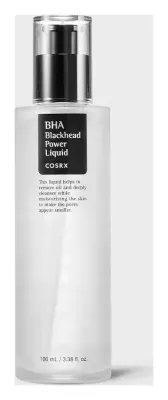
COSRX BHA Blackhead Power Liquid
Betaine Salicylate (BHA) · scent-free label
AmazonBrand lists it for sensitive skin
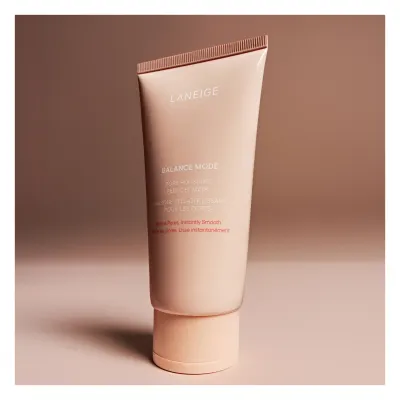
Laneige Balance Mode Shine Control Weightless Moisturizer
Rice bran water, niacinamide, squalane, madecassoside, and rice ferment · oily, combination, sensitive, normal skin · scent-free label
AmazonBrand lists it for oily skin
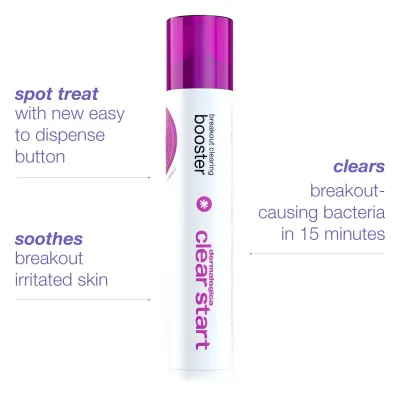
Dermalogica Breakout Clearing Booster
Salicylic acid, niacinamide, tea tree leaf oil, lactic acid · normal, dry, combination, oily, sensitive skin · scented
Amazon
All 81 products with Niacinamide
Eye Creams & Under-Eye Patches (13)
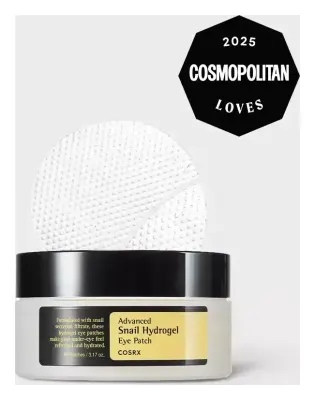 COSRX Advanced Snail Hydrogel Eye PatchAmazon
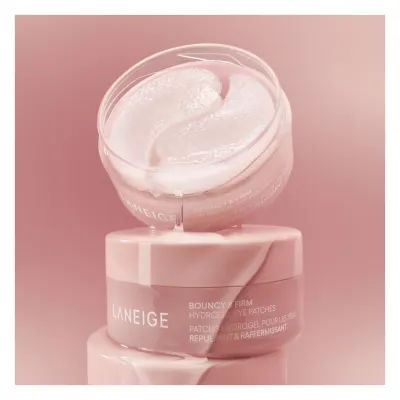 Laneige Bouncy & Firm Hydrogel Eye PatchesAmazon
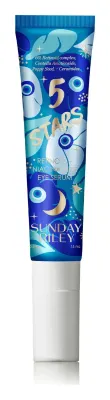 Sunday Riley 5 Stars Retinol + Niacinamide Eye SerumAmazon
 Dermalogica age reversal eye complexAmazon
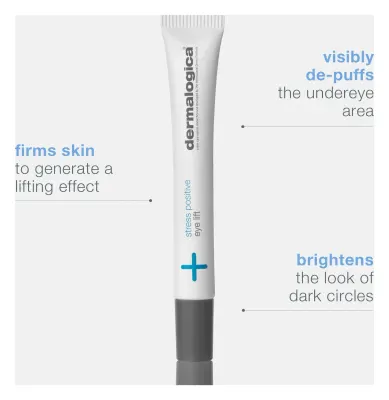 Dermalogica stress positive eye lift maskAmazon
 COSRX 5 PDRN Collagen Vitalizing Hydrogel Eye PatchAmazon
 COSRX Advanced Snail Peptide Eye CreamAmazon
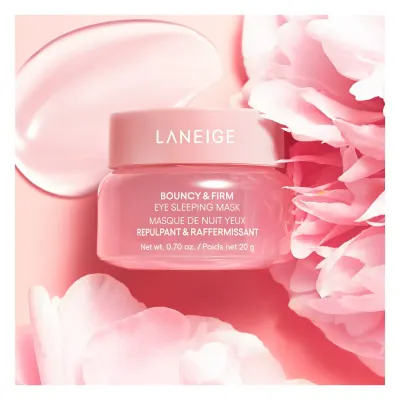 Laneige Bouncy & Firm Eye Sleeping MaskAmazon
 Perricone MD High Potency Triple Retinol Renewal Eye SerumAmazon
 Perricone MD Neuropeptide Corrective Brightening Under-Eye CreamAmazon
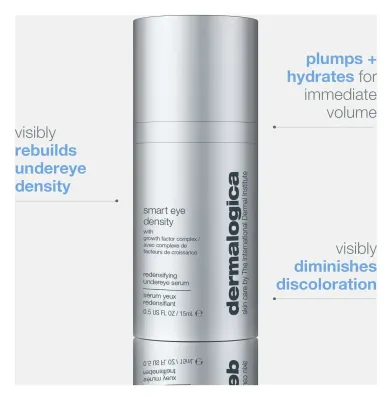 Dermalogica smart eye density undereye serumAmazon
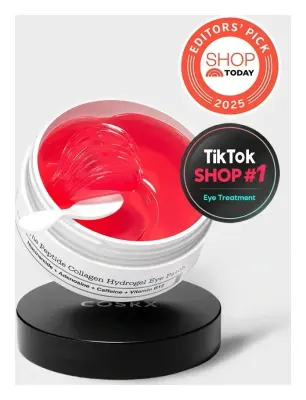 COSRX The Peptide Collagen Hydrogel Eye PatchAmazon
 Laneige Water Bank Blue Hyaluronic Eye CreamAmazon
Daily Moisturizers & Water Gel Creams (9)
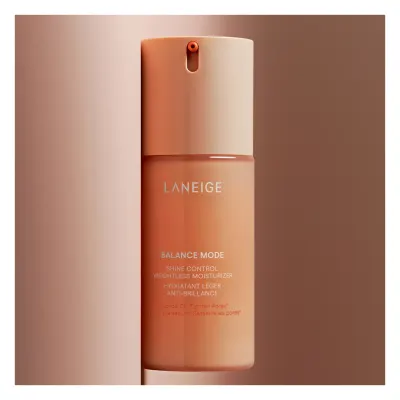 Laneige Balance Mode Shine Control Weightless MoisturizerAmazon
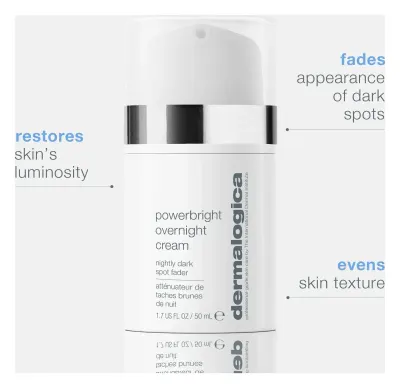 Dermalogica powerbright overnight creamAmazon
 COSRX The Blue Peptide Bakuchiol Plump Bounce CreamAmazon
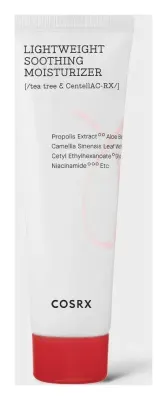 COSRX AC Collection Lightweight Soothing MoisturizerAmazon
 Dermalogica acne biotic moisturizerAmazon
 Perricone MD Cold Plasma Plus+ Advanced Hydrating ComplexAmazon
 Perricone MD Cold Plasma Plus+ Sub-D/NeckAmazon
 Perricone MD High Potency Hyaluronic Intensive MoisturizerAmazon
 Dermalogica multivitamin power recovery creamAmazon
Hydrating Serums, Essences & Ampoules (8)
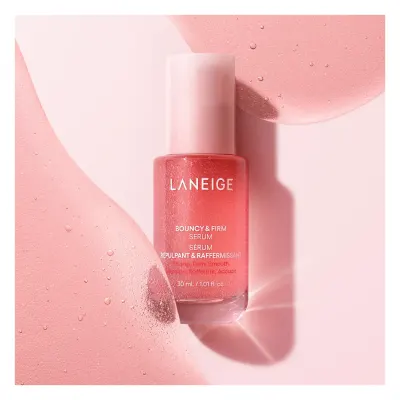 Laneige Bouncy & Firm SerumAmazon
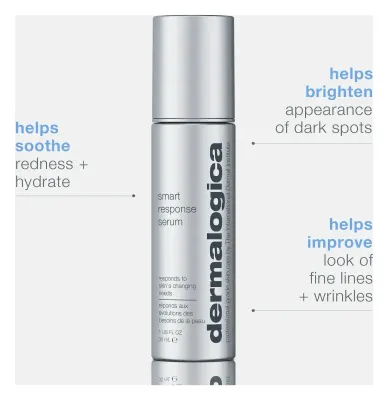 Dermalogica Smart Response SerumAmazon
 COSRX The 6 Peptide Skin Booster SerumAmazon
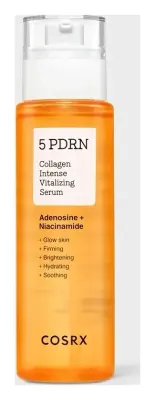 COSRX 5 PDRN Collagen Intense Vitalizing SerumAmazon
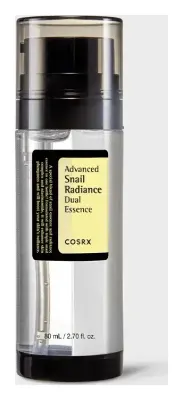 COSRX Advanced Snail Radiance Dual EssenceAmazon
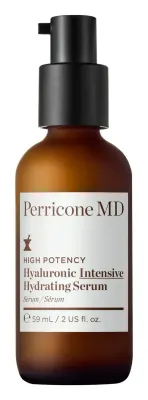 Perricone MD High Potency Hyaluronic Intensive Hydrating SerumAmazon
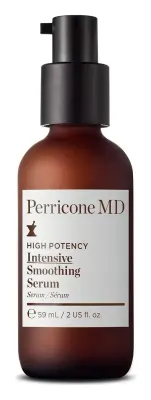 Perricone MD High Potency Intensive Smoothing SerumAmazon
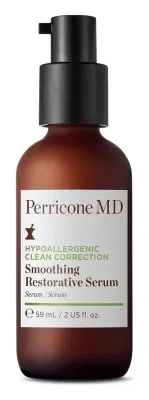 Perricone MD Hypoallergenic Clean Correction Smoothing Restorative SerumAmazon
Dermatological Acne & Chemical Exfoliating Liquids (6)
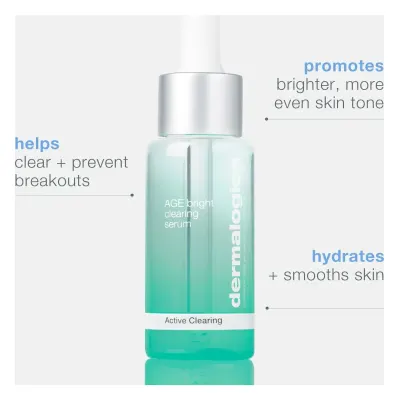
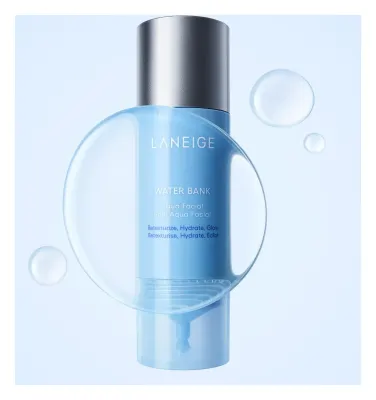
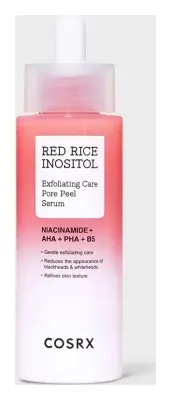
Targeted Vitamin C & Brightening Correctors (6)
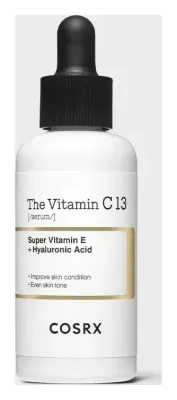
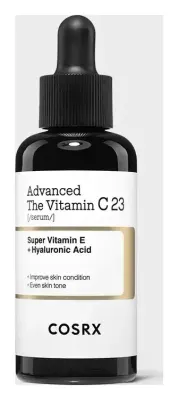

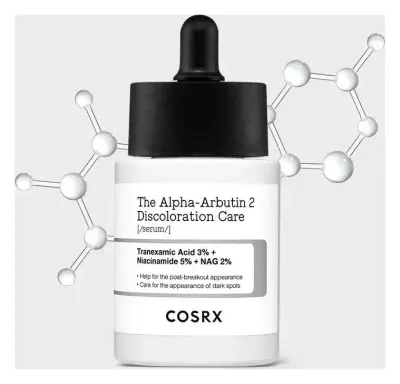
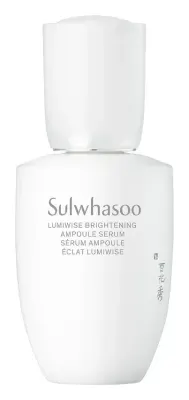

Hydrating Toners, Essence Waters & Face Mists (6)
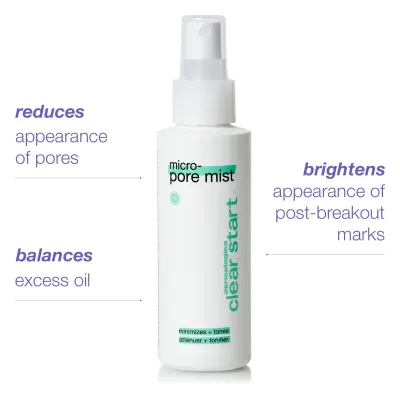
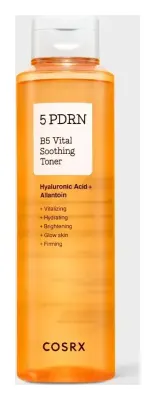
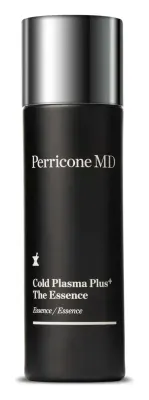
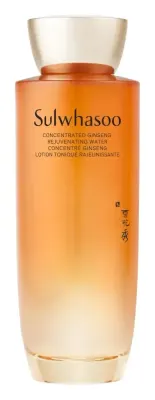

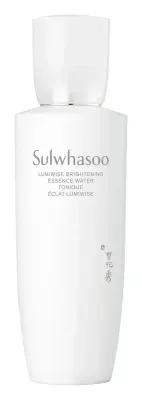
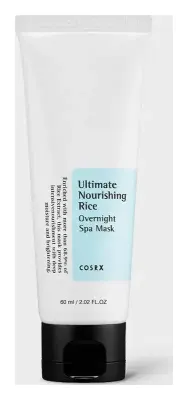
Premium Overnight Recovery Packs & Sleeping Facials (4)
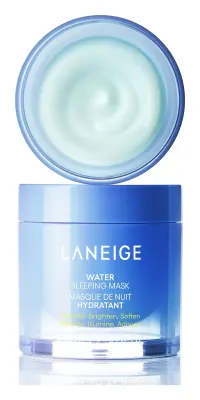
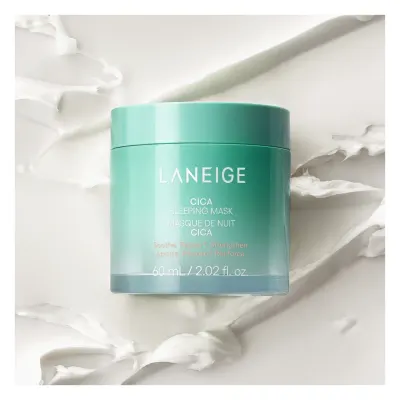

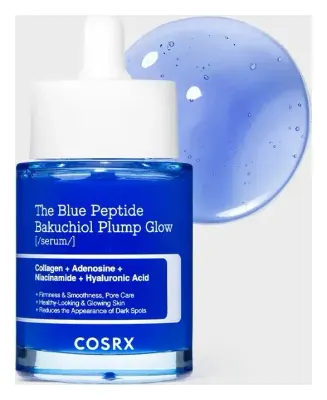
Anti-Aging & Retinoid Serums (4)



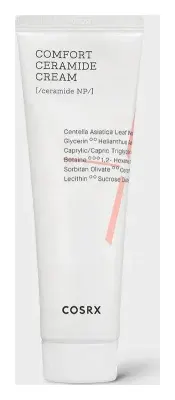
Skin Barrier Repair Creams & Recovery Jars (3)
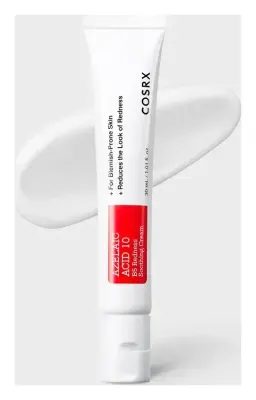

Pimple Patches & Overnight Spot Treatments (3)
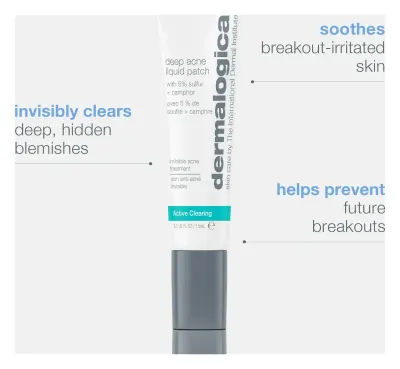

Sheet, Hydrogel & Clay Masks (3)



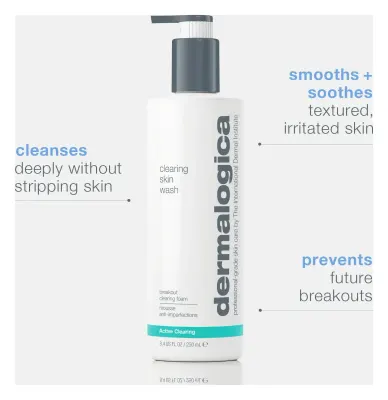
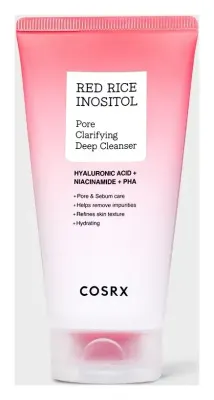
Gel, Foam & Cream Facial Cleansers (3)


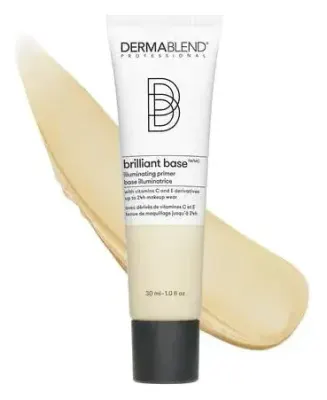
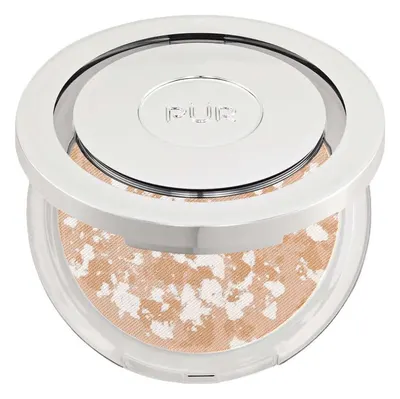
Mineral Pressed Powders & Skin-Nourishing Primers (3)

Body Creams, Butters & Body Oils (2)
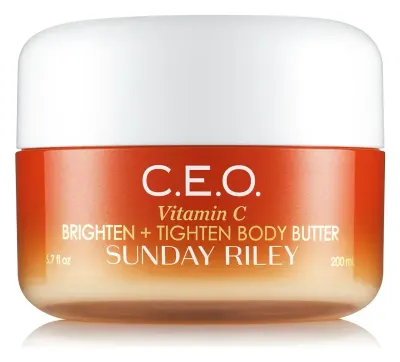
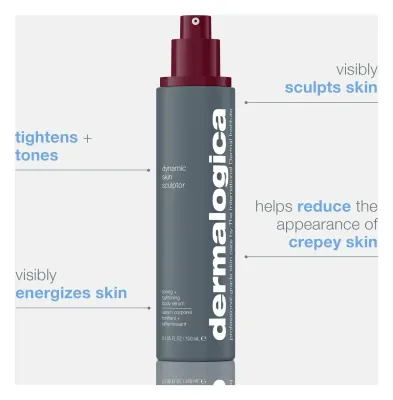
Cream & Gel Treatment Masks (2)
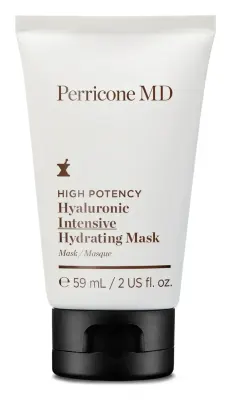
High-Definition Camouflage Concealers (2)
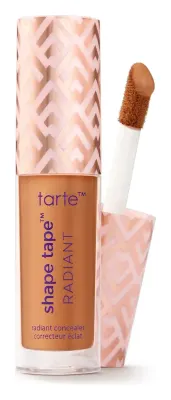
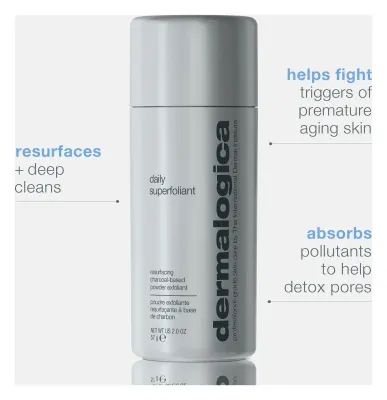
Physical & Enzyme Face Exfoliants (1)
Full-Coverage Camouflage & Liquid Foundations (1)
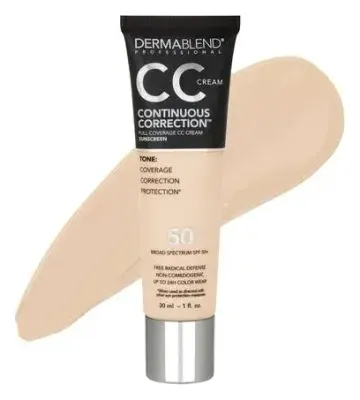
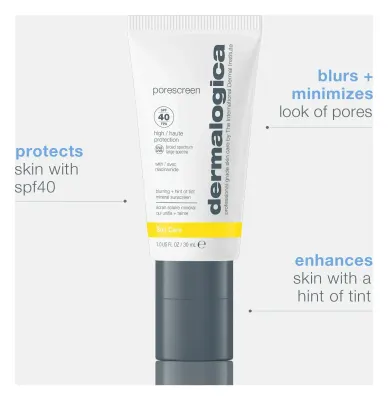
Daily Sunscreens & SPF Moisturizers (1)
Premium Double-Cleansing Balms & Melting Gels (1)
Common questions
What does niacinamide do for skin?
Niacinamide is a form of vitamin B3. In skincare it is mostly used to support the skin barrier, help even out the look of skin tone and help skin look less oily and less red. Results build gradually over several weeks of regular use.
Can you use niacinamide with vitamin C?
Yes. The old warning came from tests that used pure ingredients at high heat, not modern formulas. Plenty of products combine the two. If your skin flushes when you layer them, use them at different times of day.
What percentage of niacinamide should I look for?
Much of the research uses around 2% to 5%, and many products sit between 2% and 10%. Higher isn't automatically better: very high percentages are more likely to cause flushing or tingling in some people.
Is niacinamide good for sensitive skin?
It's usually well tolerated, which is why it shows up in so many products for sensitive skin. Anyone can react to anything, though, so patch-test a new product first, especially one with a high percentage.