Retinol
What retinol and related retinoids do in skincare, how to introduce them, who they suit, and what to pair them with.
Probably fineIn 23 products we cover
We may earn a commission when you buy through links on this page. It never changes what we recommend.
What it is
Retinol is a vitamin A derivative in the retinoid family. Skin converts it through intermediate steps into retinoic acid, which is why it can influence how skin cells behave. The same family includes retinal, also called retinaldehyde, and retinyl esters such as retinyl palmitate. Retinal takes one conversion step to become retinoic acid, while retinyl esters need more steps. These ingredients are related, but they are not interchangeable, and formula strength and delivery matter too.
You will usually find retinol in leave-on serums and creams. It can be sensitive to light and air, so packaging and storage can affect how well a formula holds up. Follow the label rather than trying to infer performance from the ingredient list alone.
What it does
- Improves the look of fine lines. With regular use over time, retinol is studied for helping skin look smoother and more even.
- Supports a more even-looking tone. It can help soften the appearance of some discoloration and post-blemish marks gradually.
- Refines the look of texture. Some people find skin looks smoother as they keep using it consistently.
- Can be drying or irritating. Redness, flaking, tightness or stinging can happen, especially when use starts too frequently or alongside other strong actives.
Who it suits
Retinol can suit people who want to address the look of texture, uneven tone or visible signs of aging and are comfortable with a gradual approach. It is not a required step, and a moisturizer and sunscreen can be a perfectly good routine on their own. If your skin is already irritated, simplify first instead of adding a retinoid. If you are pregnant, trying to conceive or breastfeeding, ask your doctor before using any retinoid product. Anyone with a persistent skin concern should speak with a dermatologist rather than trying to treat it with a cosmetic routine.
What to pair it with, and what not to
Keep the rest of your routine gentle when you introduce retinol. A basic moisturizer can help with dryness, and niacinamide or hyaluronic acid can fit into the same routine if they suit your skin. Use sunscreen as directed during the day, since retinol routines work best alongside consistent sun protection.
Avoid starting retinol at the same time as salicylic acid, glycolic acid or another retinoid. If you use an exfoliant too, separate it onto another night and keep an eye on how your skin feels. Patch-test a new product, follow its directions, and reduce or stop use if irritation persists.
Skin Realist check: Retinoids are a long game, not a test of character. If your face starts negotiating for a quiet night, listen before adding another active.
How it appears on labels: Retinol; Retinyl Linoleate; Retinyl Palmitate; Retinyl Propionate
Quick picks with Retinol
Scent-free, no patch-test flags on the label
Perricone MD High Potency Triple Retinol Renewal Serum
Triple retinol blend, coenzyme Q10, and beta-carotene · oily, dry, combination, sensitive, normal skin · scent-free label
AmazonBrand lists it for sensitive skin
Dermalogica dynamic skin retinol serum
Retinoid Complex 3.5% · oily, dry, combination, sensitive, normal skin · scented
AmazonBrand lists it for oily skin
Dermalogica age reversal eye complex
Microencapsulated retinol, niacinamide, ash tree bark extract, vitamin C and peptides · oily, dry, combination, sensitive, normal skin · scent-free label
Amazon

All 23 products with Retinol
Anti-Aging & Retinoid Serums (9)
 Dermalogica dynamic skin retinol serumAmazon
 Sunday Riley A+ High-Dose Retinoid SerumAmazon
 Perricone MD High Potency Triple Retinol Renewal SerumAmazon
 COSRX The Retinol 0.1 CreamAmazon
 COSRX The Retinol 0.3 CreamAmazon
 Sulwhasoo Concentrated Ginseng Rejuvenating SerumAmazon
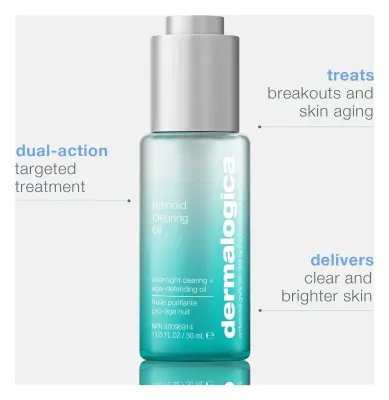 Dermalogica retinoid acne clearing oilAmazon
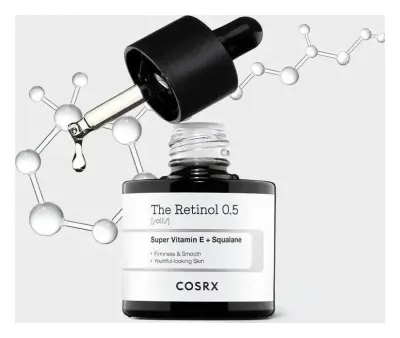 COSRX The Retinol 0.5 OilAmazon
 Perricone MD High Potency Retinol Recovery Overnight MoisturizerAmazon
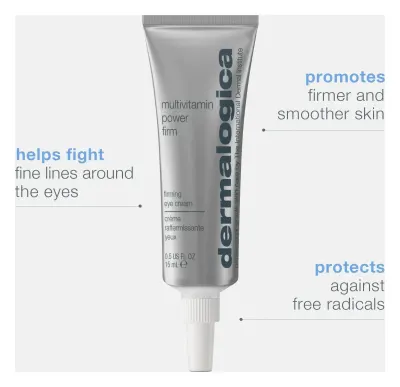
Eye Creams & Under-Eye Patches (5)
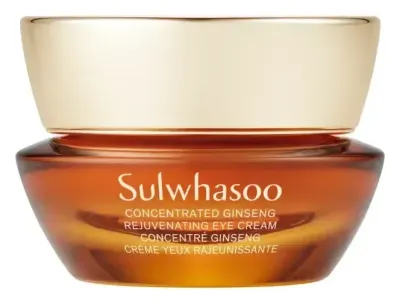

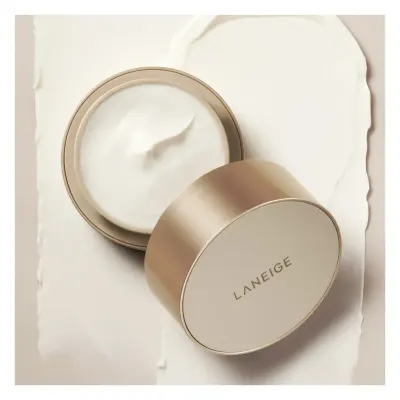
Daily Moisturizers & Water Gel Creams (3)


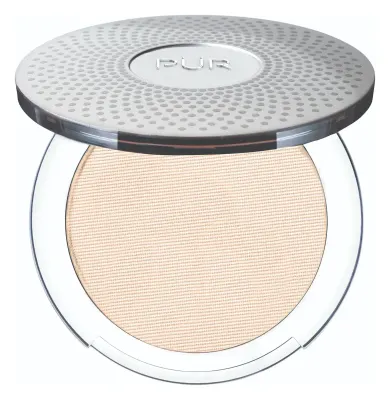
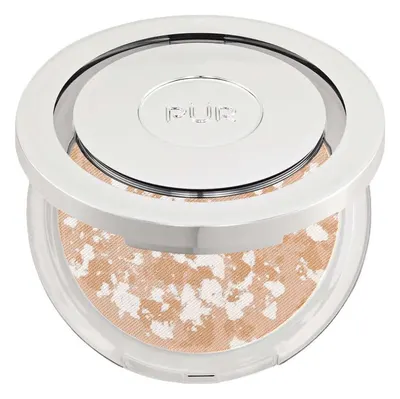
Mineral Pressed Powders & Skin-Nourishing Primers (2)
Cream & Gel Treatment Masks (1)

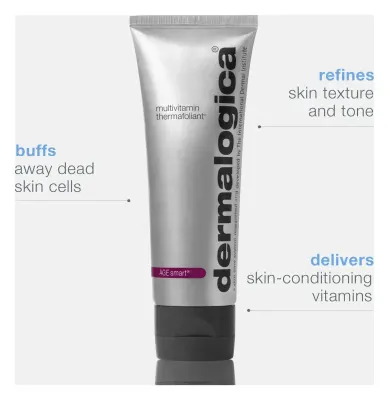
Physical & Enzyme Face Exfoliants (1)
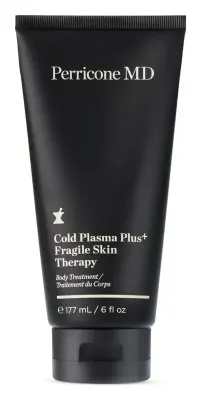
Body Creams, Butters & Body Oils (1)
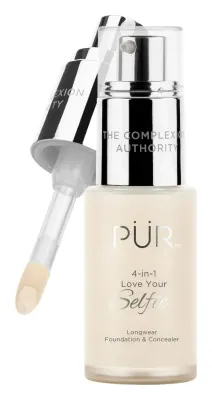
High-Definition Camouflage Concealers (1)
Common questions
What does retinol do for skin?
Retinol is a vitamin A derivative used to improve the look of fine lines, uneven tone and rough texture over time. Results take consistent use, and irritation is possible, especially when you start too often.
What is the difference between retinol and retinal?
Retinal, also called retinaldehyde, is one conversion step closer than retinol to retinoic acid, the form skin can use. Retinyl esters such as retinyl palmitate are further back in that conversion chain. The ingredient name alone does not tell you how a finished product will feel.
How often should I use retinol?
Start with a small amount on one or two nights a week, then increase gradually only if your skin is comfortable. Follow the product directions and pause if persistent irritation develops.
Can I use retinol with exfoliating acids?
Using both can make irritation more likely, particularly when you are new to either one. Consider using them on separate nights, and keep the rest of your routine simple while you assess how your skin responds.