Salicylic Acid (BHA)
What salicylic acid does as a BHA exfoliant, who it may suit, and how to use it without overdoing your routine.
Probably fineIn 14 products we cover
We may earn a commission when you buy through links on this page. It never changes what we recommend.
What it is
Salicylic acid is a beta hydroxy acid, usually shortened to BHA, used in leave-on exfoliants, cleansers and spot products. It is oil-soluble, which helps explain why it is often chosen for formulas aimed at the look of clogged pores and oily skin. The strength and contact time depend on the product, so a rinse-off cleanser is not the same as a leave-on serum.
Salicylic acid is not the same ingredient as betaine salicylate, although both names include salicylate. Always check the product directions rather than assuming two products with related names should be used in the same way.
What it does
- Exfoliates the surface. It helps loosen dead skin cells at the surface, which can make rough texture look smoother.
- Targets the look of clogged pores. Its oil solubility makes it useful in products for skin prone to visible congestion and blemishes.
- Can help skin look clearer. Regular use may improve the appearance of blackheads and blemishes for some people, but it is not a treatment for a medical skin condition.
- Can cause dryness or irritation. Too much, too often, or use with other strong actives can leave skin tight, flaky or uncomfortable.
Who it suits
Salicylic acid may suit people with oily or combination skin who want an exfoliant aimed at the look of clogged pores. A cleanser may be a gentler way to try it than a leave-on product, although tolerance depends on the whole formula and how you use it. If your skin is dry, reactive or already irritated, begin cautiously or skip exfoliation until it feels settled. Ask a dermatologist about persistent or severe breakouts.
What to pair it with, and what not to
Use one exfoliating product at a time, following its directions. A plain moisturizer can help your routine feel more comfortable, and hyaluronic acid can be an uncomplicated hydrating step. Use sunscreen as directed during the day while using exfoliating acids.
Do not pile salicylic acid on top of glycolic acid, lactic acid, mandelic acid or retinoids when starting out. Over-layering exfoliants can make irritation more likely without making the routine more effective. Add products gradually, patch-test first, and take a break if ongoing stinging, redness or peeling develops.
Skin Realist check: An exfoliant is not a dare. If your face feels tight and cross, the next useful step is usually a break, not a second acid.
Quick picks with Salicylic Acid
Scent-free, no patch-test flags on the label
COSRX Master Patch Intensive
Hydrocolloid · scent-free label
AmazonBrand lists it for sensitive skin
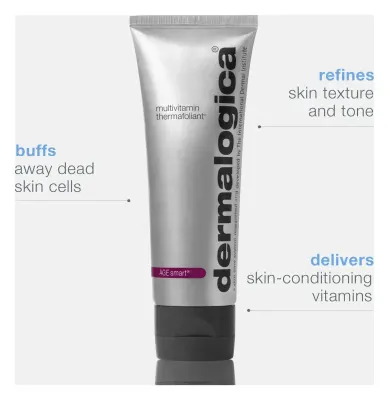
Dermalogica multivitamin thermafoliant
Lactic acid, salicylic acid, retinol, and tetrahexyldecyl ascorbate · oily, dry, combination, sensitive, normal skin · scented
AmazonBrand lists it for oily skin
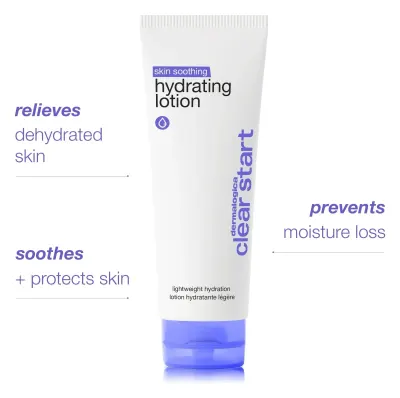
Dermalogica skin soothing hydrating lotion
Plant-based squalane, sodium hyaluronate, ginger, orange, and grapefruit · oily, dry, combination, sensitive, normal skin · scented
Amazon

All 14 products with Salicylic Acid
Dermatological Acne & Chemical Exfoliating Liquids (4)

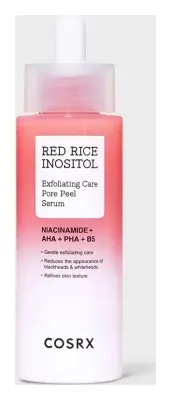
Pimple Patches & Overnight Spot Treatments (2)
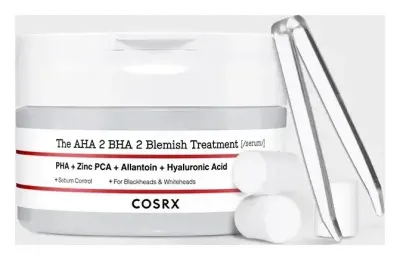
Premium Double-Cleansing Balms & Melting Gels (2)
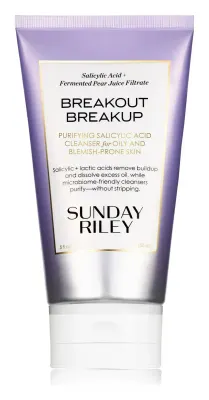
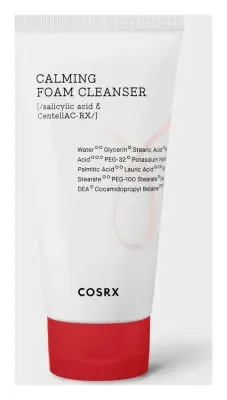
Daily Moisturizers & Water Gel Creams (2)

Physical & Enzyme Face Exfoliants (1)
Sheet, Hydrogel & Clay Masks (1)
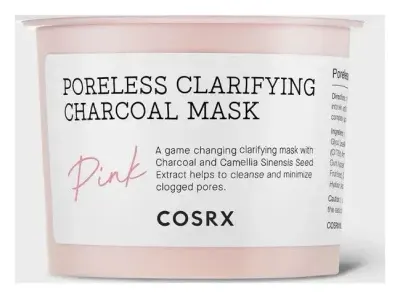
Cream & Gel Treatment Masks (1)
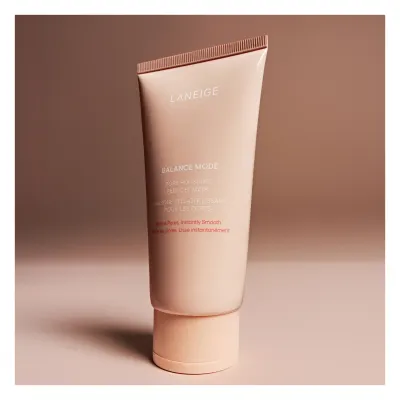
Gel, Foam & Cream Facial Cleansers (1)

Common questions
What does salicylic acid do?
Salicylic acid is a beta hydroxy acid used to exfoliate the skin's surface and help improve the look of clogged pores. It is commonly included in products for oily or blemish-prone skin.
Is salicylic acid an AHA or a BHA?
Salicylic acid is a BHA, or beta hydroxy acid. Glycolic and lactic acids are AHAs, a different group of exfoliating acids with different properties.
Can I use salicylic acid every day?
That depends on the product directions and how your skin responds. Start less often than daily if you are unsure, and scale back if you notice persistent dryness, stinging or redness.
Can I use salicylic acid with retinol?
Layering an exfoliating acid and retinol can increase the chance of irritation. Consider using them on separate nights, and avoid introducing both at once.