Mandelic Acid
What mandelic acid does as an AHA exfoliant, who it may suit, and how to combine it with the rest of your routine.
Probably fineIn 3 products we cover
We may earn a commission when you buy through links on this page. It never changes what we recommend.
What it is
Mandelic acid is an alpha hydroxy acid, or AHA, used in cosmetic exfoliants. It has a larger molecular size than glycolic acid, which is why it is commonly described as a slower-acting or gentler-feeling option. That description is relative, not a promise about how any particular product will feel. The formula, amount, frequency and your skin all matter.
Mandelic acid is typically found in leave-on serums and toners, sometimes alongside other acids. It works on the skin’s surface and is not the same as salicylic acid, a beta hydroxy acid. A single well-chosen exfoliant is usually easier to assess than a stack of products with overlapping jobs.
What it does
- Exfoliates the surface. It helps loosen dead skin cells, which can make rough or uneven texture look smoother.
- Improves the look of dullness. Regular use may help skin look brighter and more even over time.
- Can support blemish-prone routines. Some people use it for the appearance of post-blemish marks, but it is not a treatment for acne or another medical condition.
- Can irritate skin. Dryness, redness, flaking or stinging can happen, including with products marketed as gentle.
Who it suits
Mandelic acid may interest people seeking an AHA and who prefer an option often considered less quick-acting than glycolic acid. It may be worth considering for someone new to exfoliants, but gradual introduction still matters. If your skin is very sensitive, dry or currently irritated, skip acids until it settles. For ongoing skin concerns, a dermatologist can help you choose an appropriate approach.
What to pair it with, and what not to
Keep the rest of the routine calm while you try mandelic acid. A moisturizer and a gentle cleanser are useful basics; hyaluronic acid can add a hydrating step if your skin likes it. Use sunscreen as directed during the day while using exfoliating acids.
Do not pile it onto glycolic acid, lactic acid or salicylic acid when you are beginning. Retinol and other retinoids can also add to irritation. Try one active product at a time, patch-test first and reduce or stop use if discomfort persists. More exfoliation is not a shortcut to a better result.
Skin Realist check: A slower step is still a step. Your routine does not need to win a race against your skin barrier.
All 3 products with Mandelic Acid
Dermatological Acne & Chemical Exfoliating Liquids (1)
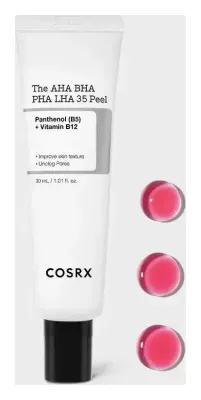
Physical & Enzyme Face Exfoliants (1)
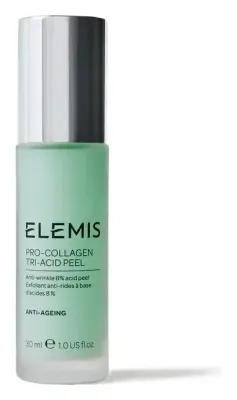
Targeted Vitamin C & Brightening Correctors (1)

Common questions
What is mandelic acid used for?
Mandelic acid is an alpha hydroxy acid used to exfoliate the skin's surface. It may help improve the look of rough texture, dullness and uneven tone over time.
Is mandelic acid good for sensitive skin?
Its larger molecular size is one reason it is often described as a gentler AHA, but that does not guarantee it will suit sensitive skin. Introduce it gradually and stop if irritation persists.
Can I use mandelic acid with other exfoliants?
Layering mandelic acid with other exfoliants can increase the chance of irritation. Start with one acid at a time or use them on separate nights.
Should I wear sunscreen with mandelic acid?
Use sunscreen as directed during the day when using exfoliating acids. It is a sensible daytime routine step whether or not you exfoliate.