Hyaluronic Acid
What hyaluronic acid does in skincare, how sodium hyaluronate fits in, and how to use this hydrating ingredient.
Extremely safeIn 155 products we cover
We may earn a commission when you buy through links on this page. It never changes what we recommend.
What it is
Hyaluronic acid is a water-binding molecule that occurs naturally in the body, including the skin. In skincare, it is used as a humectant: an ingredient that helps attract water to the outer layers of skin. Sodium hyaluronate, its salt form, is a common ingredient-list name for a related form used in cosmetic formulas. Products may also contain different molecular sizes or modified forms, but a label does not always tell you exactly how each will feel.
You will find it in serums, toners and moisturizers, often alongside other humectants and emollients. It is not an exfoliating acid, despite having the word acid in its name. It is principally a hydration ingredient, not a treatment for a skin condition.
What it does
- Helps skin hold water. Humectant formulas can increase the hydrated feel of the skin’s outer layers.
- Temporarily plumps the look of skin. When skin is hydrated, fine dehydration lines may look less noticeable for a while.
- Supports a comfortable routine. It pairs easily with many common skincare ingredients and is found in products for a range of skin types.
- Does not replace moisturizer. A watery serum alone may not provide the richer components that help reduce moisture loss, depending on your skin and environment.
Who it suits
Hyaluronic acid can suit many skin types, including skin that feels dry or dehydrated. People who dislike heavy creams may enjoy a lightweight serum, while others may prefer it built into a moisturizer. The overall product matters more than the ingredient name: texture, fragrance and other formula components can affect how it feels. If a product causes persistent irritation, stop using it and consider asking a dermatologist about ongoing symptoms.
What to pair it with, and what not to
Apply a hyaluronic acid product as directed. Many people like using a serum on slightly damp skin and following with moisturizer to make the routine feel more comfortable. Pair it with niacinamide or ceramides if those ingredients suit you. It can also sit alongside active ingredients such as retinol, where a simple moisturizer can help keep the routine comfortable.
There is no need to layer multiple hyaluronic acid serums or chase a particular percentage. If the product feels tacky or leaves skin tight, use less, change the order, or choose a different texture. Patch-test new products and keep sunscreen in your daytime routine as directed.
Skin Realist check: Hydration is not a scavenger hunt for the biggest percentage on the bottle. A comfortable moisturizer you remember to use is allowed to be the whole plot.
How it appears on labels: Sodium Hyaluronate; Hydrolyzed Hyaluronic Acid; Hyaluronic Acid; Sodium Hyaluronate Crosspolymer; Sodium Acetylated Hyaluronate; Hydrolyzed Sodium Hyaluronate; Hydroxypropyltrimonium Hyaluronate; Potassium Hyaluronate; SODIUM HYALURONATE CROSSPOLYMER-6
Quick picks with Hyaluronic Acid
Scent-free, no patch-test flags on the label
COSRX BHA Blackhead Power Liquid
Betaine Salicylate (BHA) · scent-free label
AmazonBrand lists it for sensitive skin
Dermalogica biolumin-c vitamin c serum
Vitamin C · oily, dry, combination, sensitive, normal skin · scented
AmazonBrand lists it for oily skin
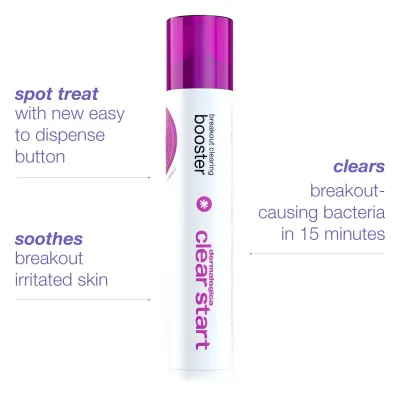
Dermalogica Breakout Clearing Booster
Salicylic acid, niacinamide, tea tree leaf oil, lactic acid · normal, dry, combination, oily, sensitive skin · scented
Amazon
All 155 products with Hyaluronic Acid
Daily Moisturizers & Water Gel Creams (28)
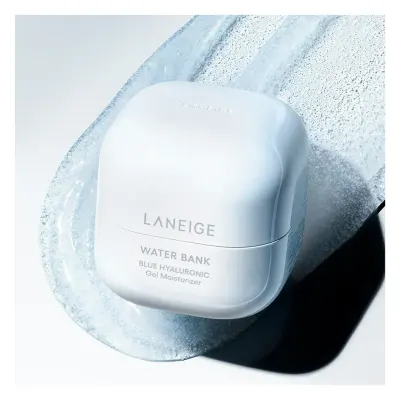 Laneige Water Bank Blue Hyaluronic Gel MoisturizerAmazon
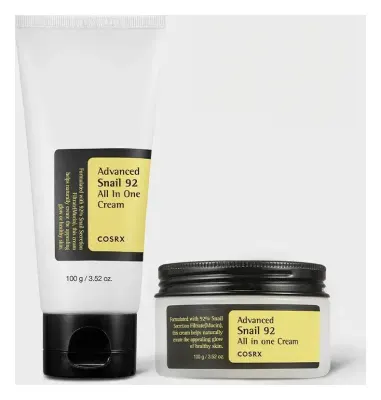 COSRX Advanced Snail 92 All in One CreamAmazon
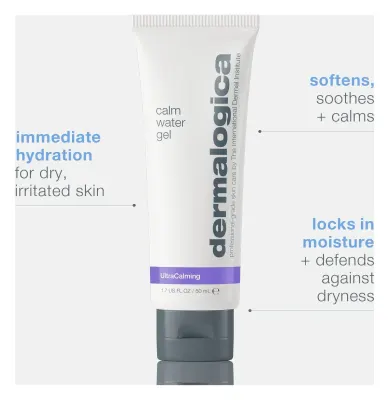 Dermalogica calm water gelAmazon
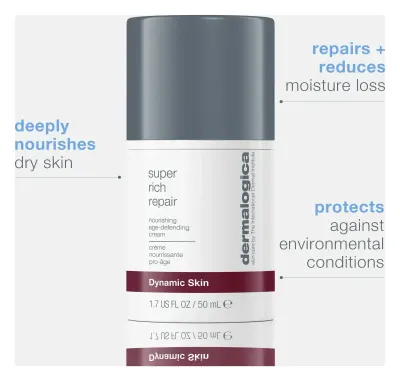 Dermalogica super rich repair moisturizerAmazon
 Dermalogica biolumin-c vitamin c gel moisturizerAmazon
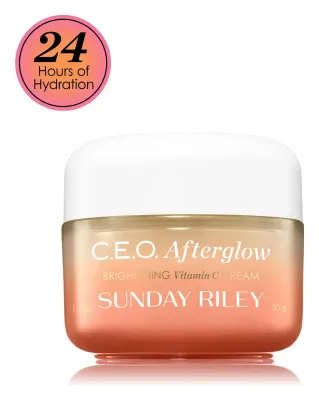 Sunday Riley C.E.O. Afterglow Brightening Vitamin C Gel CreamAmazon
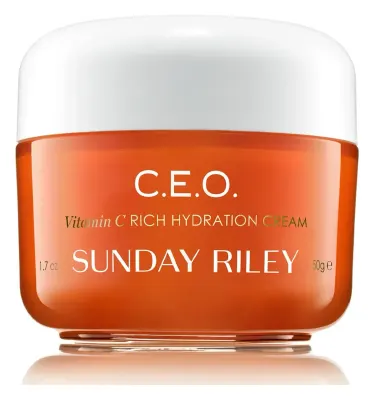 Sunday Riley C.E.O. Vitamin C Rich Hydration CreamAmazon
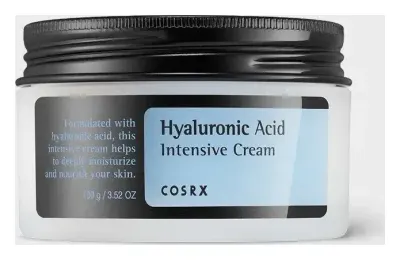 COSRX Hyaluronic Acid Intensive CreamAmazon
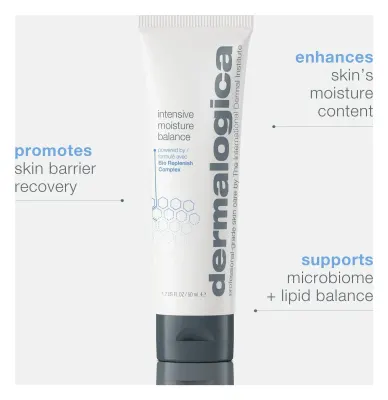 Dermalogica intensive moisture balance moisturizerAmazon
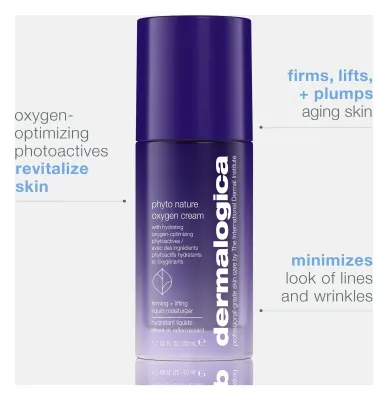 Dermalogica phyto nature oxygen creamAmazon
 COSRX Pure Fit Cica Cream IntenseAmazon
 Dermalogica skin smoothing cream moisturizerAmazon
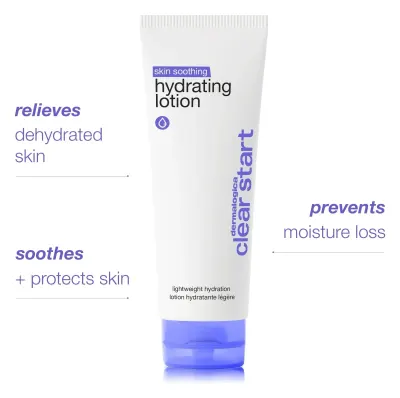 Dermalogica skin soothing hydrating lotionAmazon
 COSRX The Blue Peptide Bakuchiol Plump Bounce CreamAmazon
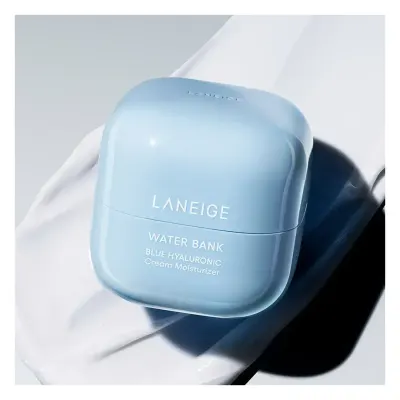 Laneige Water Bank Blue Hyaluronic Cream MoisturizerAmazon
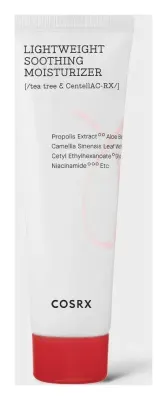 COSRX AC Collection Lightweight Soothing MoisturizerAmazon
 Perricone MD Cold Plasma Plus+ Advanced Hydrating ComplexAmazon
 Perricone MD Cold Plasma Plus+ Sub-D/NeckAmazon
 Sulwhasoo Concentrated Ginseng Rejuvenating Cream RichAmazon
 Perricone MD High Potency Hyaluronic Intensive MoisturizerAmazon
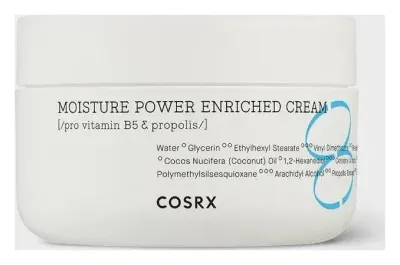 COSRX Hydrium Moisture Power Enriched CreamAmazon
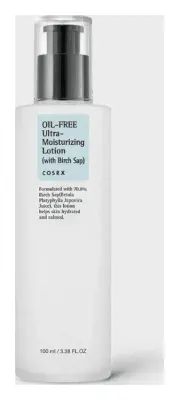 COSRX Oil-Free Ultra-Moisturizing Lotion with Birch SapAmazon
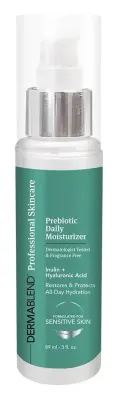 Dermablend Prebiotic Daily MoisturizerAmazon
 Dermalogica pro-collagen banking water creamAmazon
 Elemis Pro-Collagen Morning MatrixAmazon
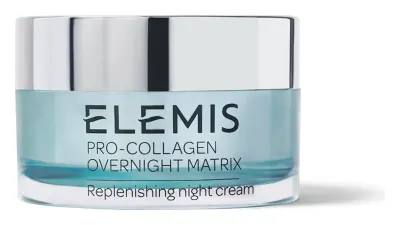 Elemis Pro-Collagen Overnight MatrixAmazon
 Elemis ULTRA SMART Pro-Collagen Night GeniusAmazon
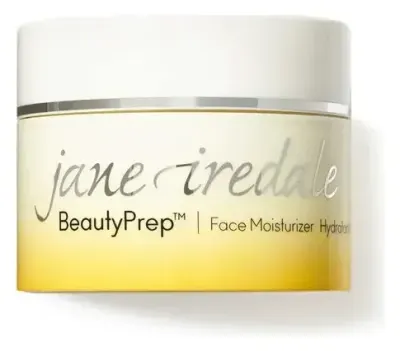 Jane Iredale BeautyPrep Face MoisturizerAmazon
Eye Creams & Under-Eye Patches (20)
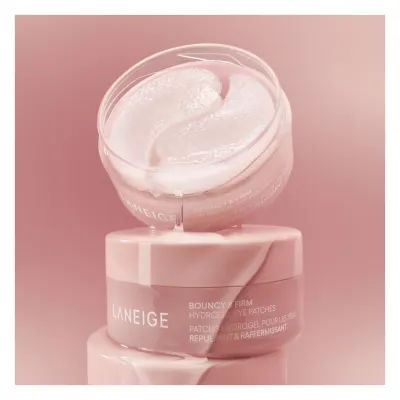 Laneige Bouncy & Firm Hydrogel Eye PatchesAmazon
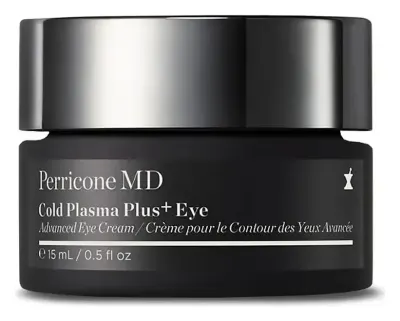 Perricone MD Cold Plasma Plus+ Advanced Eye CreamAmazon
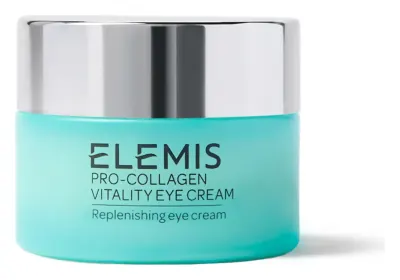 Elemis Pro-Collagen Vitality Eye CreamAmazon
 Dermalogica age reversal eye complexAmazon
 Dermalogica biolumin-c vitamin c eye serumAmazon
 Dermalogica phyto nature lifting eye creamAmazon
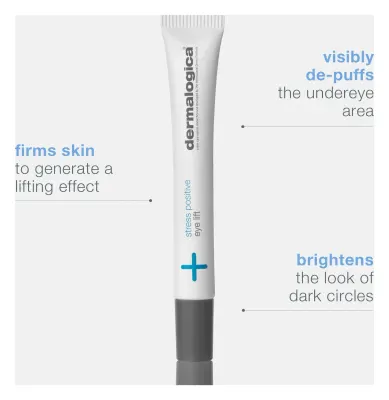 Dermalogica stress positive eye lift maskAmazon
 COSRX 5 PDRN Collagen Vitalizing Hydrogel Eye PatchAmazon
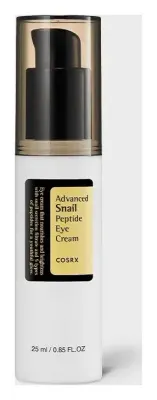 COSRX Advanced Snail Peptide Eye CreamAmazon
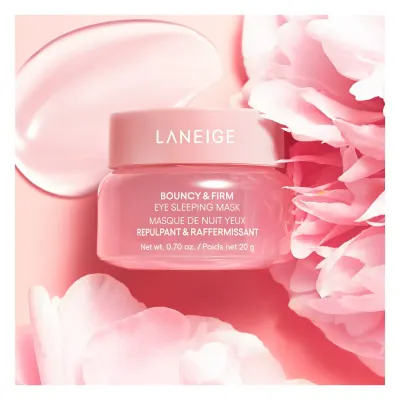 Laneige Bouncy & Firm Eye Sleeping MaskAmazon
 Sulwhasoo First Care Activating Eye SerumAmazon
 Perricone MD High Potency Triple Retinol Renewal Eye SerumAmazon
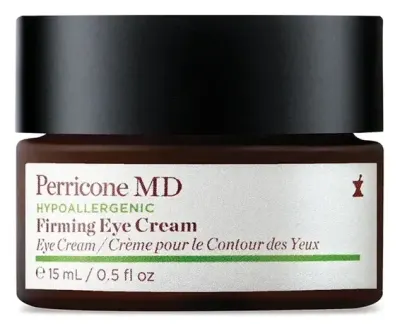 Perricone MD Hypoallergenic Firming Eye CreamAmazon
 Perricone MD Neuropeptide Corrective Brightening Under-Eye CreamAmazon
 Perricone MD Neuropeptide Eyelid Lift SerumAmazon
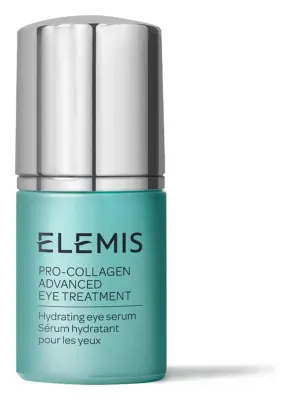 Elemis Pro-Collagen Advanced Eye TreatmentAmazon
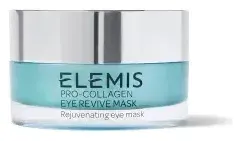 Elemis Pro-Collagen Eye Revive MaskAmazon
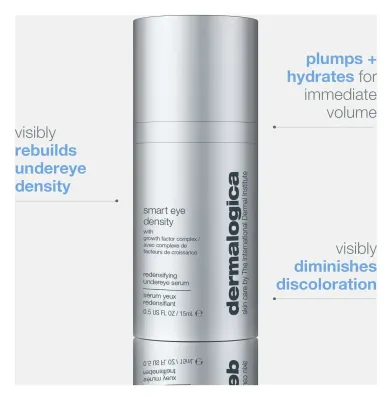 Dermalogica smart eye density undereye serumAmazon
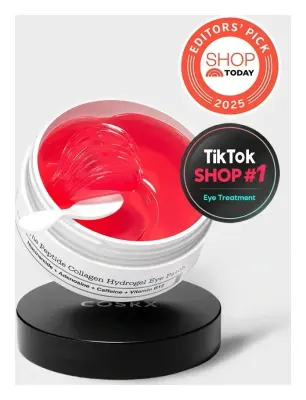 COSRX The Peptide Collagen Hydrogel Eye PatchAmazon
 Laneige Water Bank Blue Hyaluronic Eye CreamAmazon
Hydrating Serums, Essences & Ampoules (17)
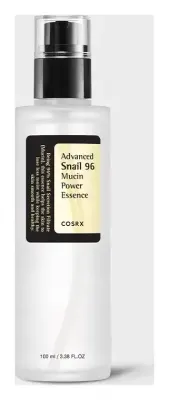 COSRX Advanced Snail 96 Mucin Power EssenceAmazon
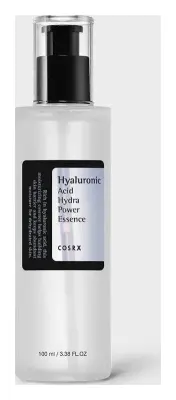 COSRX Hyaluronic Acid Hydra Power EssenceAmazon
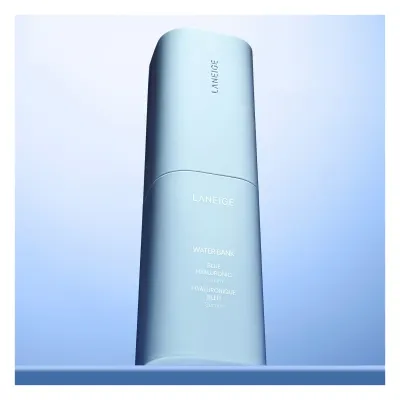 Laneige Water Bank Blue Hyaluronic SerumAmazon
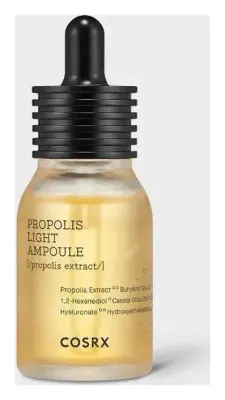 COSRX Full Fit Propolis Light AmpouleAmazon
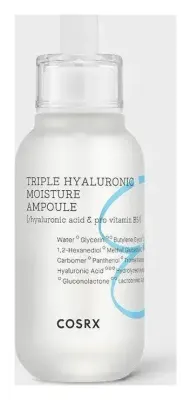 COSRX Hydrium Triple Hyaluronic Moisture AmpouleAmazon
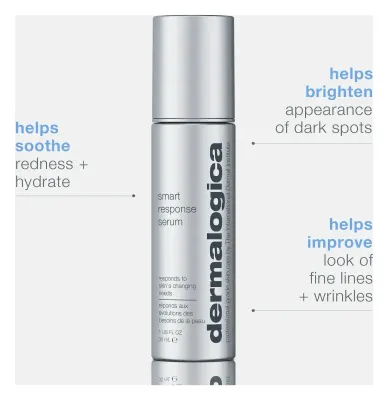 Dermalogica Smart Response SerumAmazon
 COSRX The 6 Peptide Skin Booster SerumAmazon
 COSRX The Hyaluronic Acid 3 SerumAmazon
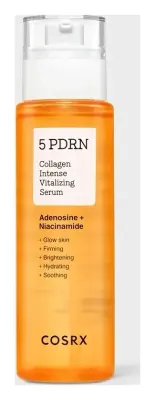 COSRX 5 PDRN Collagen Intense Vitalizing SerumAmazon
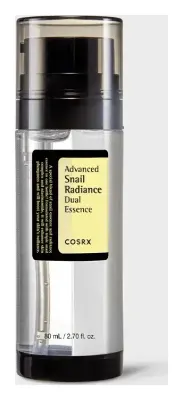 COSRX Advanced Snail Radiance Dual EssenceAmazon
 Dermalogica circular hydration serum with hyaluronic acidAmazon
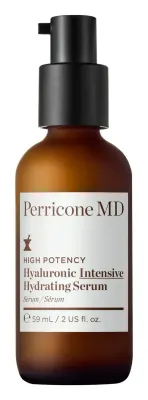 Perricone MD High Potency Hyaluronic Intensive Hydrating SerumAmazon
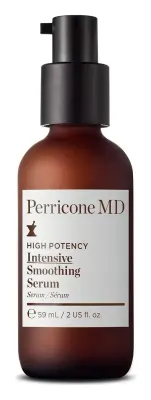 Perricone MD High Potency Intensive Smoothing SerumAmazon
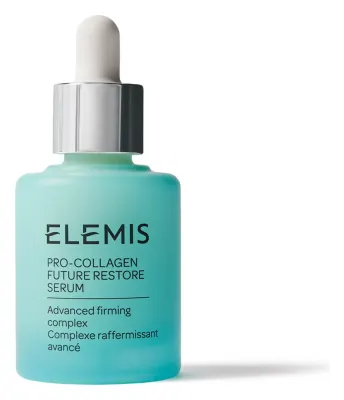 Elemis Pro-Collagen Future Restore SerumAmazon
 Elemis ULTRA SMART Pro-Collagen Complex SerumAmazon
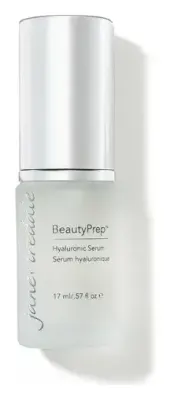 Jane Iredale BeautyPrep Hyaluronic SerumAmazon
 Jane Iredale HydroPure Color Correcting Serum with Hyaluronic Acid & CoQ10Amazon
Anti-Aging & Retinoid Serums (11)
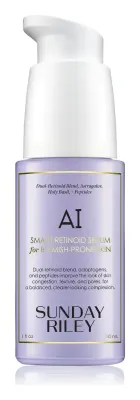 Sunday Riley A.I. Smart Retinoid SerumAmazon
 Sunday Riley A+ High-Dose Retinoid SerumAmazon
 Perricone MD High Potency Triple Retinol Renewal SerumAmazon
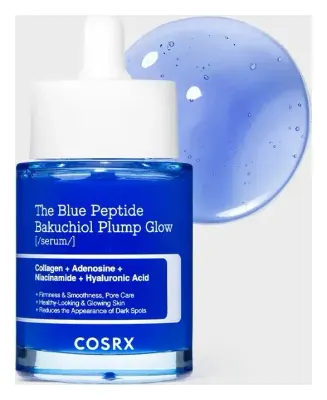 COSRX The Blue Peptide Bakuchiol Plump Glow SerumAmazon
 COSRX The Retinol 0.1 CreamAmazon
 COSRX The Retinol 0.3 CreamAmazon
 Sulwhasoo Concentrated Ginseng Rejuvenating SerumAmazon
 Dermalogica futurecode booster damage-correcting longevity serumAmazon
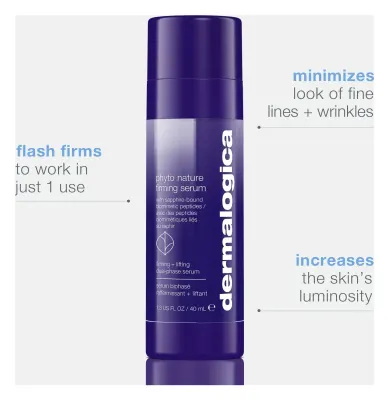 Dermalogica phyto nature firming serumAmazon
 Perricone MD High Potency Retinol Recovery Overnight MoisturizerAmazon
 Perricone MD Neuropeptide Firming Facial ConcentrateAmazon
Dermatological Acne & Chemical Exfoliating Liquids (9)
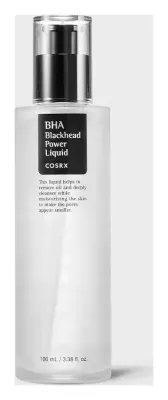 COSRX BHA Blackhead Power LiquidAmazon
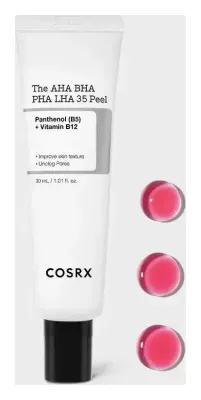 COSRX The AHA BHA PHA LHA 35 PeelAmazon
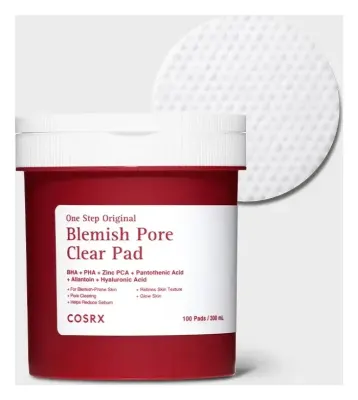 COSRX One Step Original Blemish Pore Clear PadAmazon
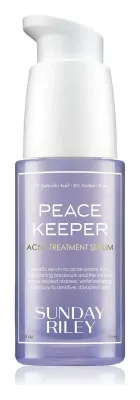 Sunday Riley Peacekeeper Acne Treatment SerumAmazon
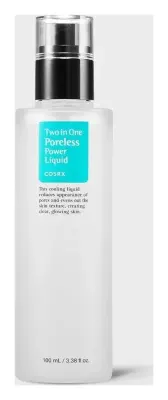 COSRX Two in One Poreless Power LiquidAmazon
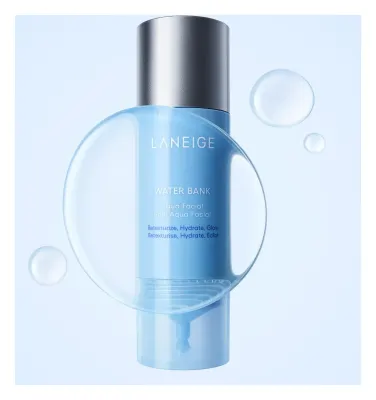 Laneige Water Bank Aqua FacialAmazon
 Dermalogica liquid peelfoliantAmazon
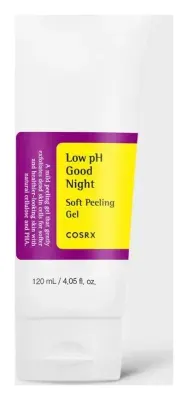 COSRX Low pH Goodnight Soft Peeling GelAmazon
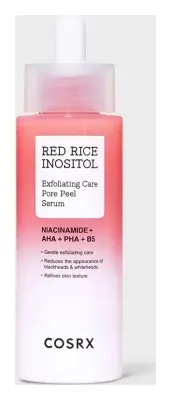 COSRX Red Rice Inositol Exfoliating Care Pore Wash-Off Peel SerumAmazon
Hydrating Toners, Essence Waters & Face Mists (9)
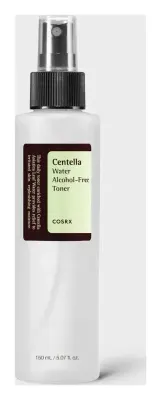 COSRX Centella Water Alcohol-Free TonerAmazon
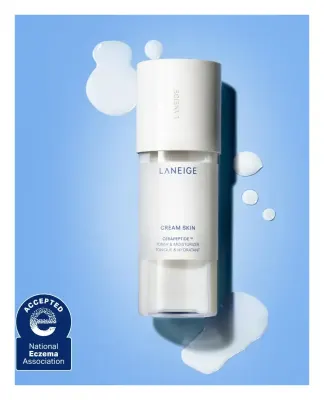 Laneige Cream Skin Milky Toner with Ceramides & Peptides for Nourishing HydrationAmazon
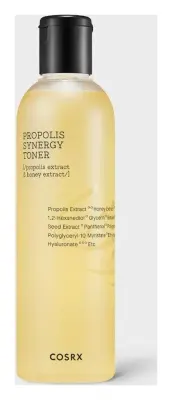 COSRX Full Fit Propolis Synergy TonerAmazon
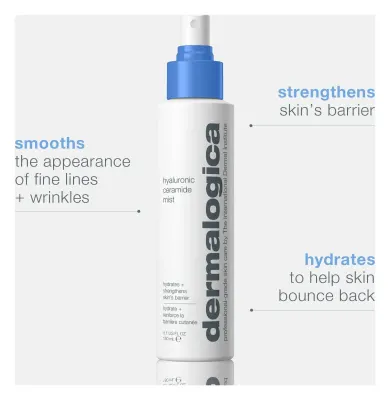 Dermalogica hyaluronic ceramide mistAmazon
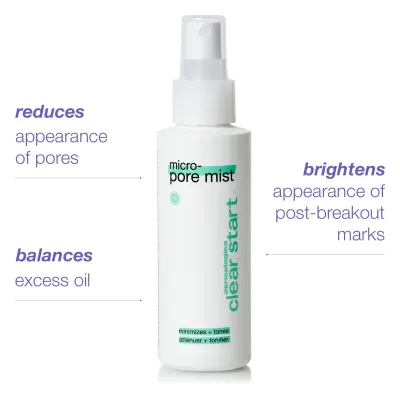 Dermalogica micro-pore mistAmazon
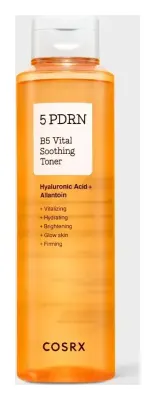 COSRX 5 PDRN B5 Vital Soothing TonerAmazon
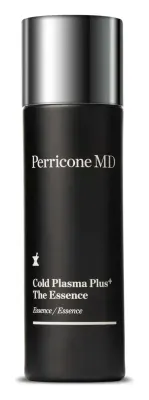 Perricone MD Cold Plasma Plus+ The EssenceAmazon
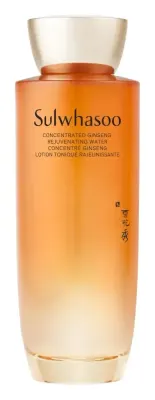 Sulwhasoo Concentrated Ginseng Rejuvenating WaterAmazon
 COSRX The Ceramide Skin Barrier Moisturizing MistAmazon
Targeted Vitamin C & Brightening Correctors (7)
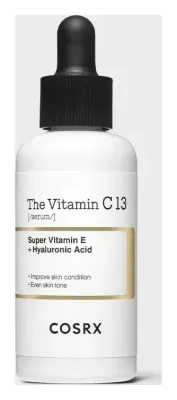 COSRX The Vitamin C 13 SerumAmazon
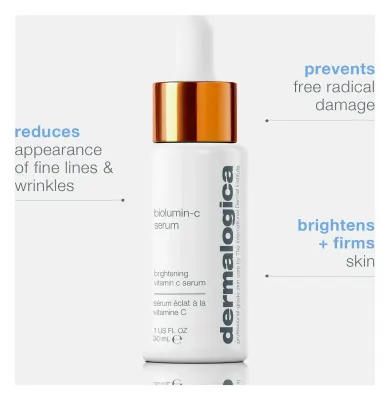 Dermalogica biolumin-c vitamin c serumAmazon
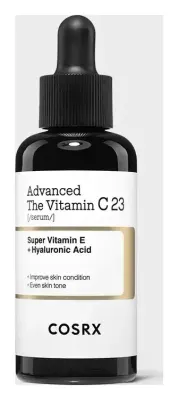 COSRX Advanced The Vitamin C 23 SerumAmazon
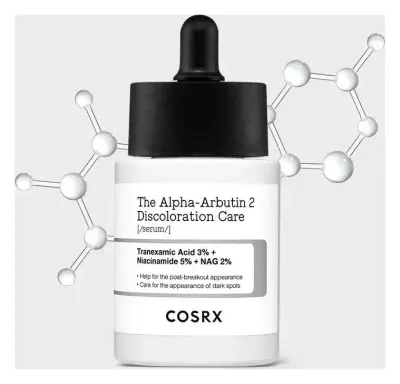 COSRX The Alpha-Arbutin 2 Discoloration Care SerumAmazon
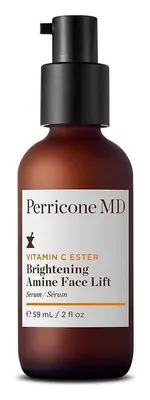 Perricone MD Vitamin C Ester Brightening Amine Face LiftAmazon
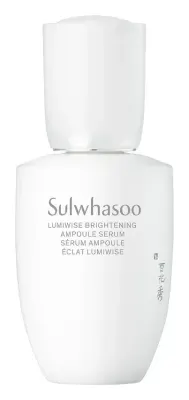 Sulwhasoo Lumiwise Brightening Ampoule SerumAmazon
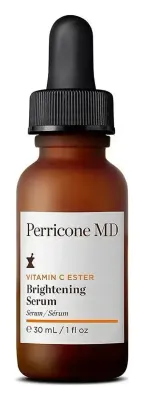 Perricone MD Vitamin C Ester Brightening SerumAmazon
Gel, Foam & Cream Facial Cleansers (7)
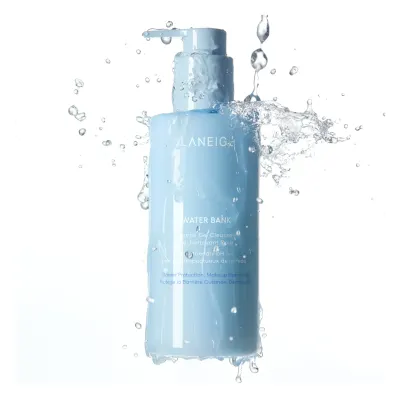 Laneige Water Bank Gentle Gel CleanserAmazon
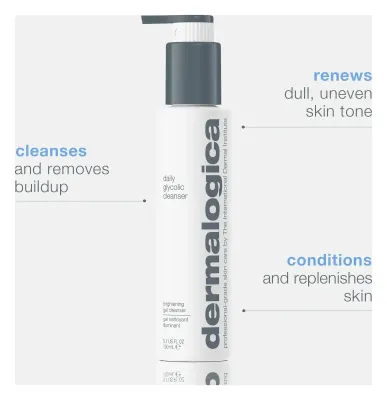 Dermalogica daily glycolic cleanserAmazon
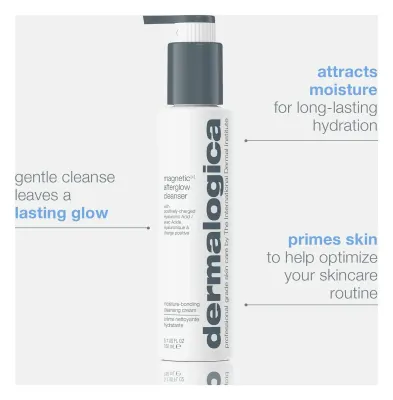 Dermalogica magnetic[+] afterglow cleanserAmazon
 Perricone MD Neuropeptide Pore-Refining & Resurfacing Cream CleanserAmazon
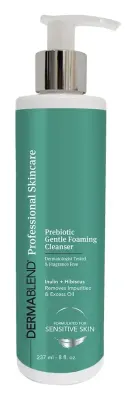 Dermablend Prebiotic Gentle Foaming CleanserAmazon
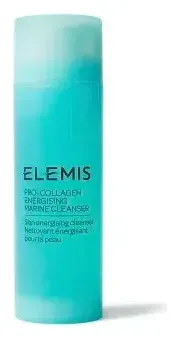 Elemis Pro-Collagen Energising Marine CleanserAmazon
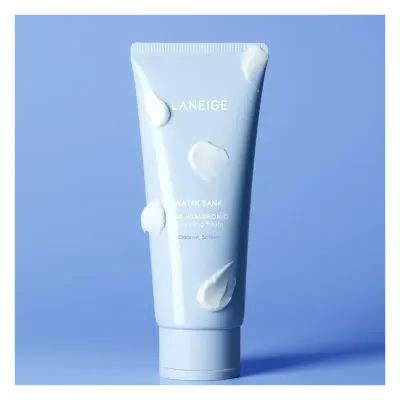 Laneige Water Bank Blue Hyaluronic Cleansing FoamAmazon
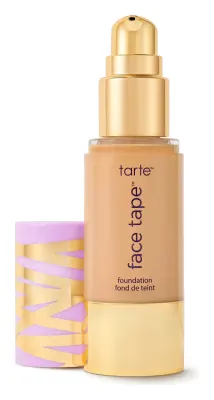
Full-Coverage Camouflage & Liquid Foundations (5)
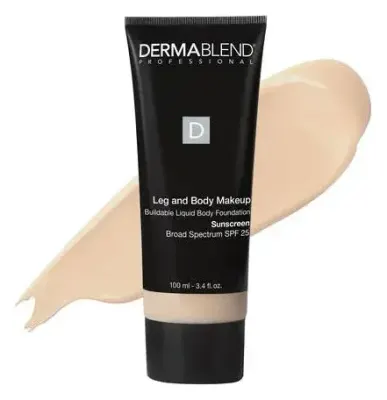
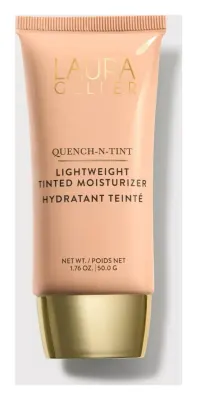
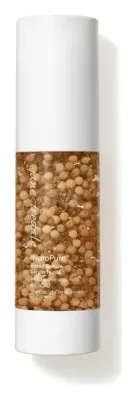
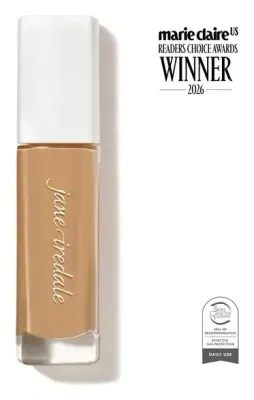
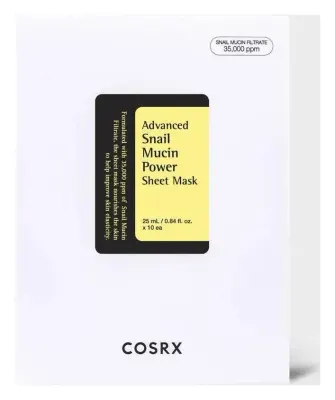
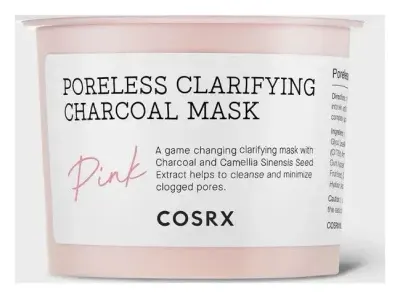
Sheet, Hydrogel & Clay Masks (5)



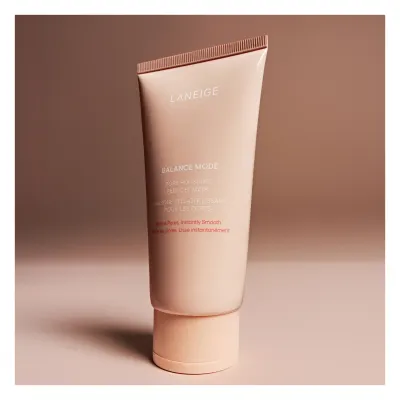
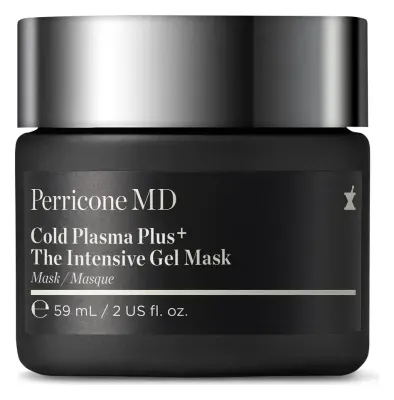
Cream & Gel Treatment Masks (5)

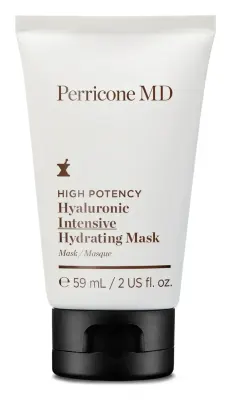
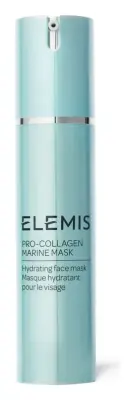
Premium Overnight Recovery Packs & Sleeping Facials (4)
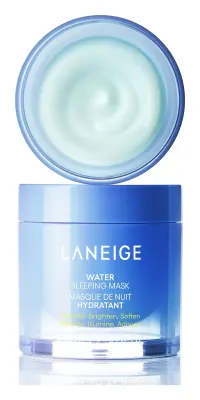


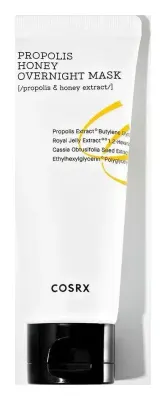
Skin Barrier Repair Creams & Recovery Jars (4)
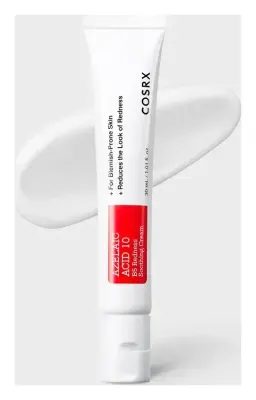

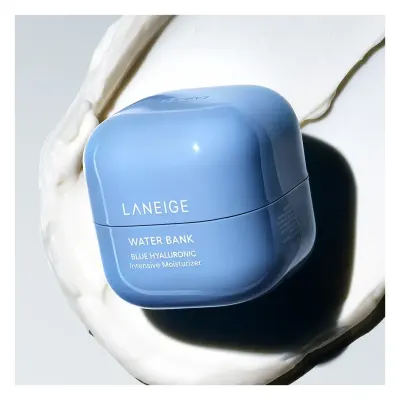
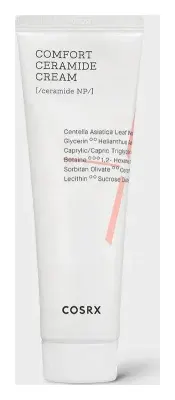
Intensive Lip Recovery Masks & Tinted Balms (4)
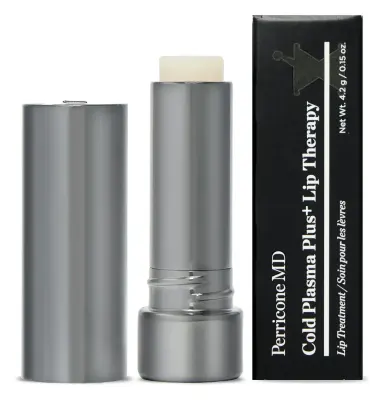
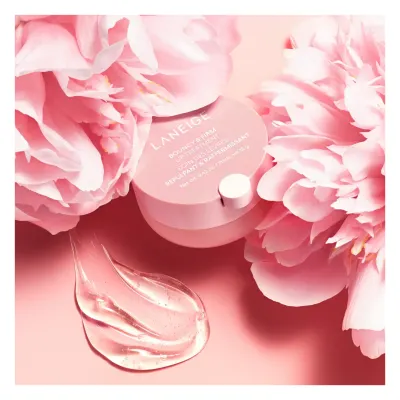
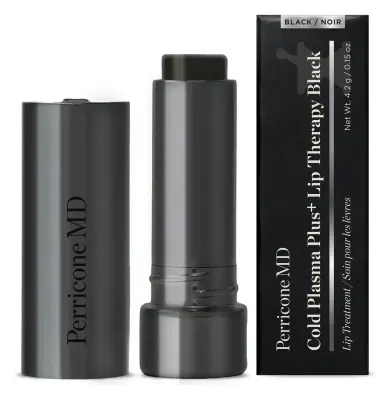
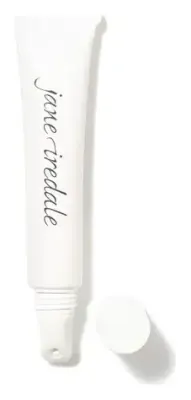
Mineral Pressed Powders & Skin-Nourishing Primers (3)
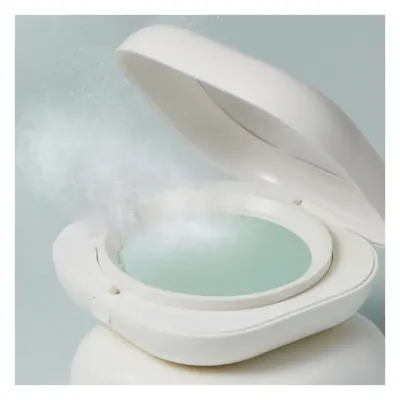
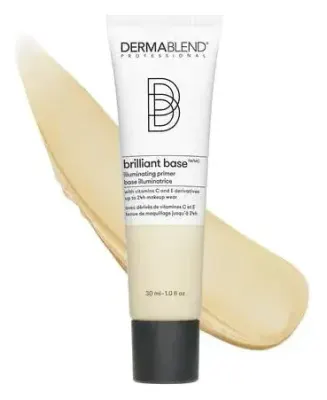

Premium Double-Cleansing Balms & Melting Gels (3)
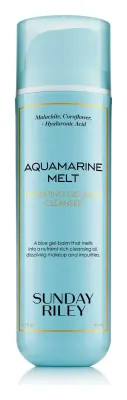
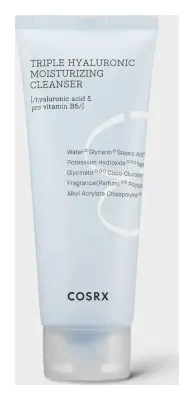
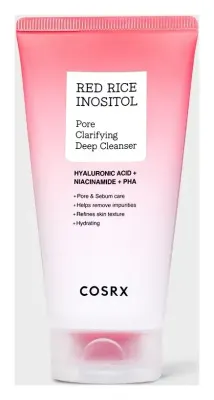
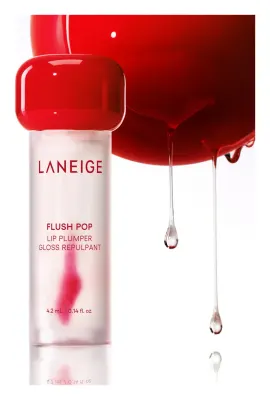
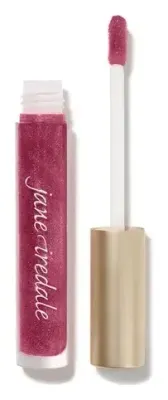
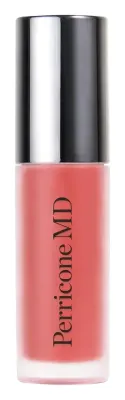
Lipsticks, Glosses & Lip Liners (3)
High-Definition Camouflage Concealers (3)
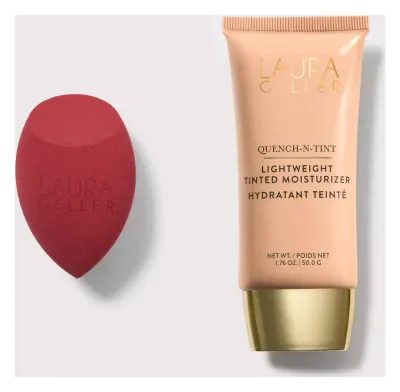

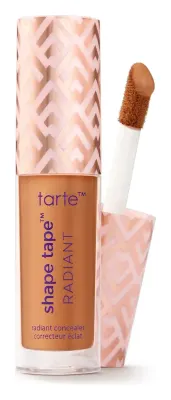
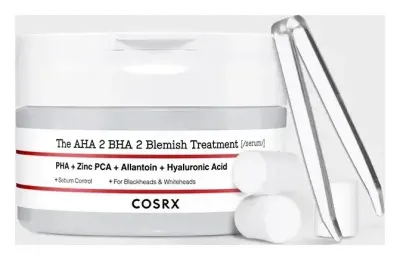
Pimple Patches & Overnight Spot Treatments (2)
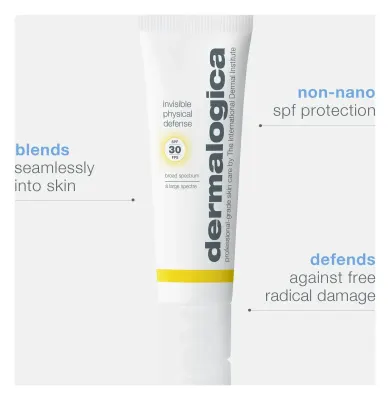
Daily Sunscreens & SPF Moisturizers (2)

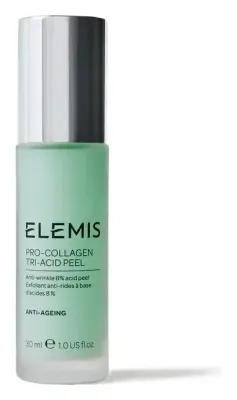
Physical & Enzyme Face Exfoliants (1)
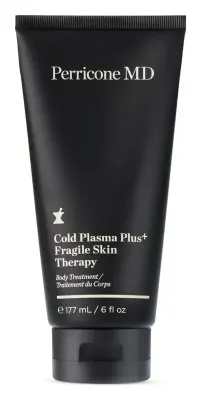
Body Creams, Butters & Body Oils (1)
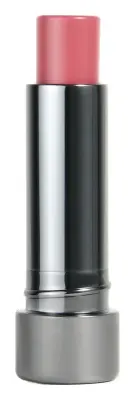
Blush, Bronzers & Highlighters (1)
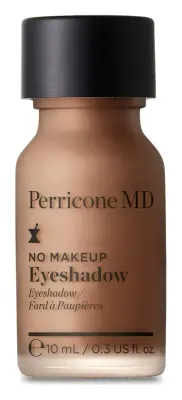
Eye Shadows, Liners, Mascara & Brow Makeup (1)
Common questions
What does hyaluronic acid do for skin?
Hyaluronic acid is a humectant that helps attract and hold water in the outer layers of skin. In a moisturizer or serum, it can help skin feel hydrated and look temporarily plumper.
Is sodium hyaluronate the same as hyaluronic acid?
Sodium hyaluronate is the salt form commonly used in cosmetic formulas. It is related to hyaluronic acid and serves a similar water-binding role in skincare.
Should I apply hyaluronic acid to damp skin?
Many people apply a humectant product to slightly damp skin and follow with moisturizer. Follow the product directions and adjust if the routine feels sticky or uncomfortable.
Can hyaluronic acid cause dryness?
It is generally used as a hydrating ingredient, but any formula can feel uncomfortable for some people. If a serum seems to leave your skin tight, try using it under a moisturizer or stop and reassess.