Glycolic Acid
What glycolic acid does as an AHA exfoliant, who it may suit, and how to pair it without over-layering acids.
Probably fineIn 15 products we cover
We may earn a commission when you buy through links on this page. It never changes what we recommend.
What it is
Glycolic acid is an alpha hydroxy acid, or AHA, used in exfoliating skincare. It is water-soluble and has a relatively small molecular size compared with other common AHAs. It appears in cleansers, toners, serums and creams, at different strengths and with different intended use. Those formula differences matter more than trying to judge a product from the ingredient name alone.
Unlike salicylic acid, glycolic acid is not oil-soluble. It is generally used to exfoliate the skin’s surface, rather than being selected specifically for oilier-looking pores. The word acid can sound dramatic, but the practical question is how often the finished product is meant to be used and how your skin responds.
What it does
- Exfoliates the surface. Glycolic acid helps loosen dead skin cells, which can make rough texture look smoother.
- Brightens the look of dull skin. Regular use may help skin look more even and radiant over time.
- Softens the look of some uneven tone. It is used in routines for the appearance of discoloration, though results vary.
- Can irritate. Stinging, dryness, redness or peeling are possible, especially with frequent use or several exfoliants in one routine.
Who it suits
Glycolic acid may suit people looking for a surface exfoliant to address the look of dullness or rough texture. It is not a must-have, and people with sensitive or dry skin may find it too strong, particularly in a leave-on formula. If you are new to acids, choose one product, follow its label and begin less often than daily. Persistent skin changes or irritation warrant advice from a dermatologist.
What to pair it with, and what not to
Use glycolic acid alongside a gentle cleanser and moisturizer, rather than building a routine around several exfoliants. Hyaluronic acid can be a hydrating companion, and sunscreen is important: use it as directed during the day while using exfoliating acids.
Avoid over-layering glycolic acid with lactic acid, mandelic acid or salicylic acid, especially when starting out. Retinoids can also add to irritation when combined with exfoliating acids. Introduce actives one at a time, patch-test new products and pause or reduce use if discomfort continues.
Skin Realist check: A smooth-skin plan should not leave you planning around a peeling face. Start with less than your enthusiasm suggests, and see how your skin votes.
Quick picks with Glycolic Acid
Scent-free, no patch-test flags on the label
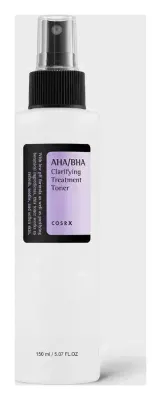
COSRX AHA/BHA Clarifying Treatment Toner
Glycolic Acid (AHA) + Betaine Salicylate (BHA) · scent-free label
AmazonBrand lists it for sensitive skin
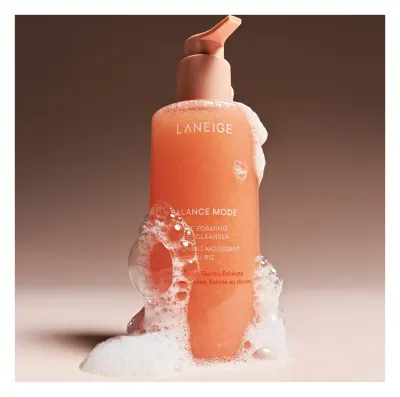
Laneige Balance Mode Rice Foaming Deep Cleanser
Rice-inamide Complex, rice powder, glycolic acid, and ceramide · combination, oily, normal, sensitive skin · scent-free label
AmazonBrand lists it for oily skin
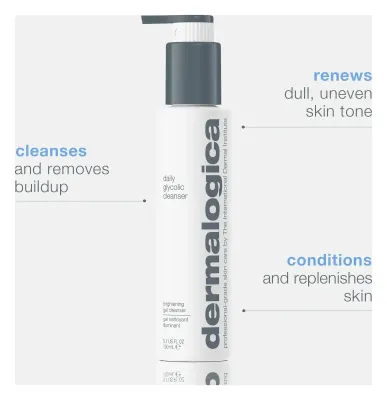
Dermalogica daily glycolic cleanser
Glycolic acid, jojoba seed oil and calendula extract · normal, combination, oily skin · scented
Amazon
All 15 products with Glycolic Acid
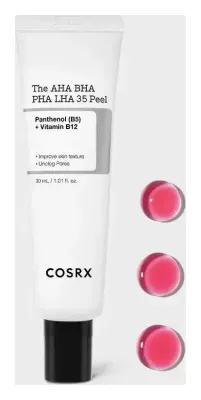
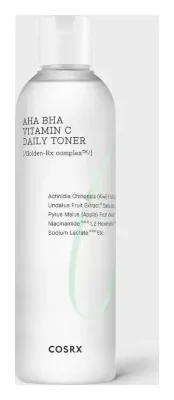
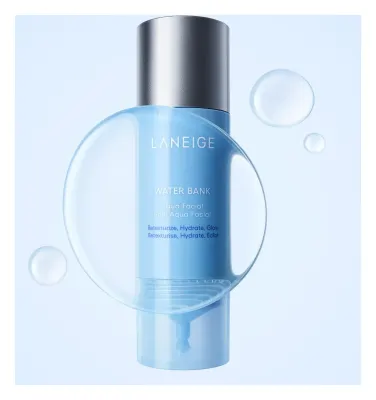
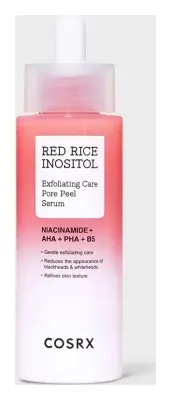
Dermatological Acne & Chemical Exfoliating Liquids (6)

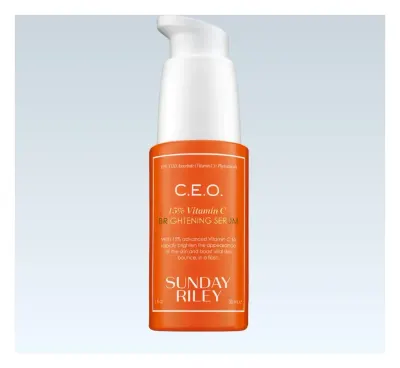
Targeted Vitamin C & Brightening Correctors (3)

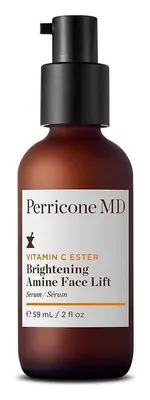
Gel, Foam & Cream Facial Cleansers (3)

Pimple Patches & Overnight Spot Treatments (1)
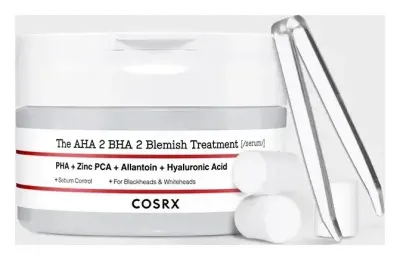
Daily Moisturizers & Water Gel Creams (1)

Anti-Aging & Retinoid Serums (1)

Common questions
What does glycolic acid do?
Glycolic acid is an alpha hydroxy acid used to exfoliate the skin's surface. It can help skin look smoother and brighter with regular use.
Is glycolic acid suitable for sensitive skin?
It can be irritating for some people, and sensitive or already irritated skin may find it difficult to tolerate. If you try it, choose a product with clear directions and start gradually.
Can I use glycolic acid every day?
Some products are designed for frequent use, but daily application is not necessary for everyone. Follow the label and reduce use if you notice lasting redness, stinging or flaking.
Can I use glycolic acid with salicylic acid?
Both are exfoliating acids, so using them together can increase irritation. Try one at a time or use them on separate nights rather than layering them by default.