Lactic Acid
What lactic acid does as an AHA exfoliant, who it may suit, and how to use it with moisturizer and sunscreen.
Probably fineIn 46 products we cover
We may earn a commission when you buy through links on this page. It never changes what we recommend.
What it is
Lactic acid is an alpha hydroxy acid, or AHA, found in exfoliating skincare. It can be produced by fermentation for cosmetic use and is used in toners, serums, masks and moisturizers. Compared with glycolic acid, lactic acid has a larger molecular size, so it is often described as a gentler AHA. That is a general comparison, not a guarantee: the finished formula, its strength and how often you use it all count.
Lactic acid also functions as a humectant, helping attract water to the skin’s outer layers. It is different from salicylic acid, which is a BHA. For all exfoliating products, directions are more useful than guessing from a concentration or ingredient name.
What it does
- Exfoliates the surface. It helps loosen dead skin cells and can make rough texture look smoother.
- Helps skin look brighter. Consistent use may soften the look of dullness and uneven tone over time.
- Supports hydration. As a humectant, lactic acid can help the outer layers of skin hold water.
- May cause irritation. Stinging, dryness, redness or flaking can occur, especially if you use it too often or combine it with other actives.
Who it suits
Lactic acid may suit someone who wants an AHA for the look of dullness or rough texture and prefers a formula that also offers humectant properties. A product described as gentle can still bother sensitive or compromised skin, so start slowly and avoid applying it to irritated areas. If exfoliation does not agree with your skin, you do not need to push through. Ask a dermatologist about persistent or painful skin concerns.
What to pair it with, and what not to
Use lactic acid with a basic cleanser and moisturizer, and apply sunscreen as directed during the day while using exfoliating acids. A hydrating product with hyaluronic acid can fit in the same routine if it feels comfortable. There is no need to add multiple acid products to get a useful routine.
Avoid over-layering it with glycolic acid, mandelic acid or salicylic acid. Be similarly cautious with retinoids, since several active steps can make irritation harder to pin down. Add one product at a time, patch-test first and take a break if redness or stinging sticks around.
Skin Realist check: Gentle is not a lifetime membership card. Even a mild-sounding product gets to be evaluated by the face wearing it.
How it appears on labels: Lactic Acid; Lactic Acid (L)
Quick picks with Lactic Acid
Scent-free, no patch-test flags on the label
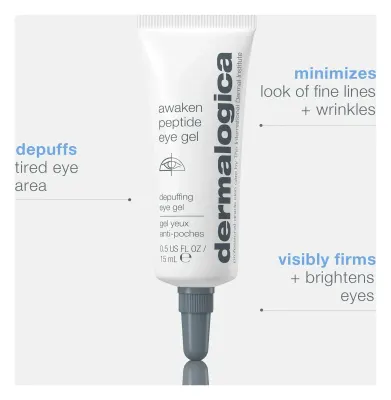
Dermalogica awaken peptide depuffing eye gel
Caffeine, tetrapeptides, rosemary leaf extract, succinic acid blend, Voandzeia subterranea seed extract and lactic acid · oily, dry, combination, sensitive, normal skin · scent-free label
AmazonBrand lists it for sensitive skin
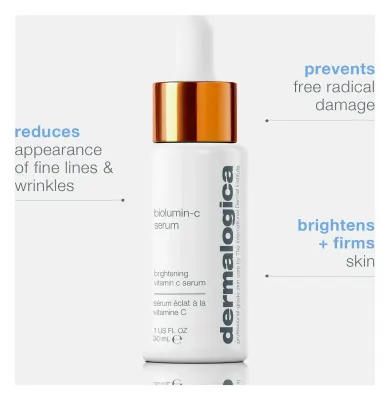
Dermalogica biolumin-c vitamin c serum
Vitamin C · oily, dry, combination, sensitive, normal skin · scented
AmazonBrand lists it for oily skin
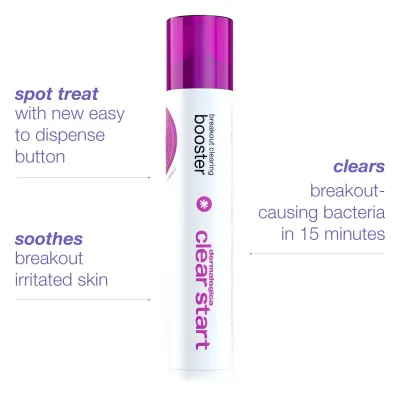
Dermalogica Breakout Clearing Booster
Salicylic acid, niacinamide, tea tree leaf oil, lactic acid · normal, dry, combination, oily, sensitive skin · scented
Amazon
All 46 products with Lactic Acid
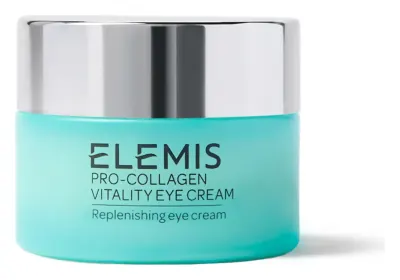
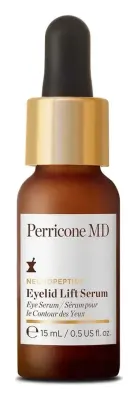
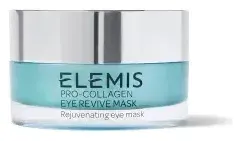
Eye Creams & Under-Eye Patches (6)


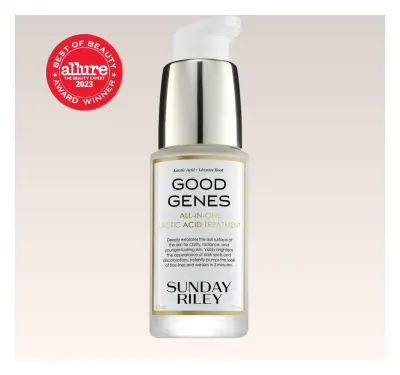
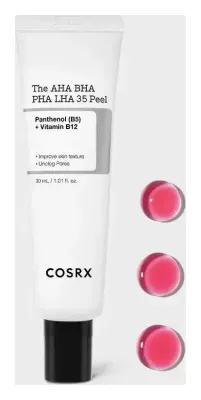
Dermatological Acne & Chemical Exfoliating Liquids (5)
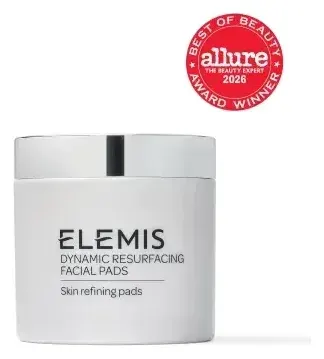
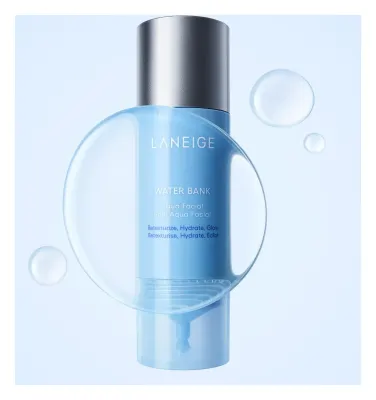

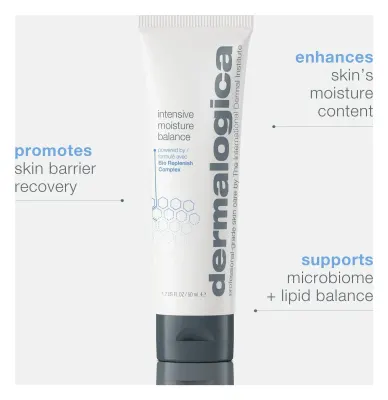
Daily Moisturizers & Water Gel Creams (5)




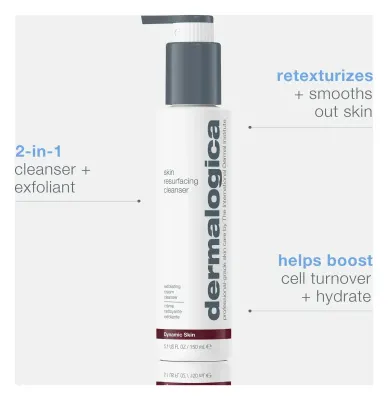
Gel, Foam & Cream Facial Cleansers (5)

Hydrating Serums, Essences & Ampoules (5)


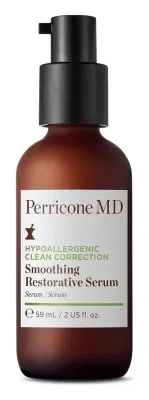
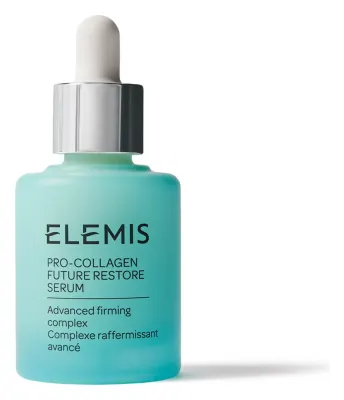
Mineral Pressed Powders & Skin-Nourishing Primers (3)
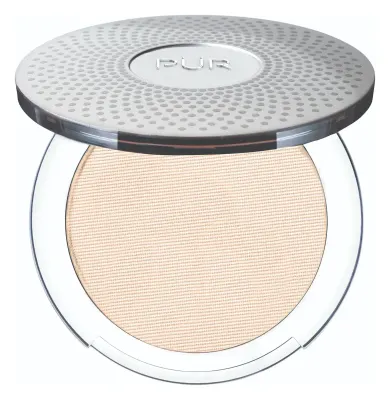
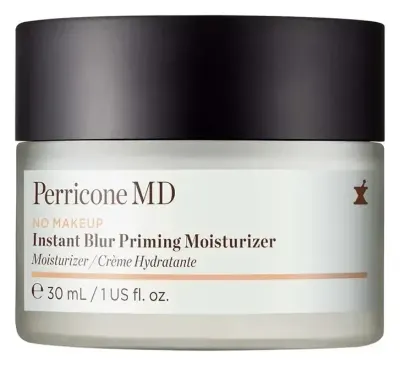
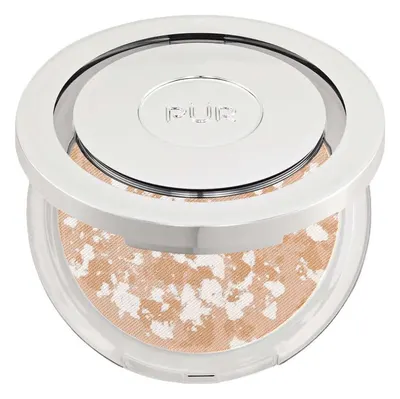
Targeted Vitamin C & Brightening Correctors (2)
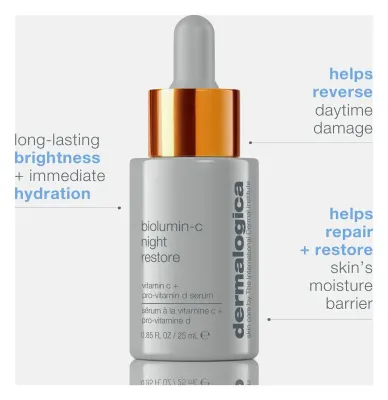
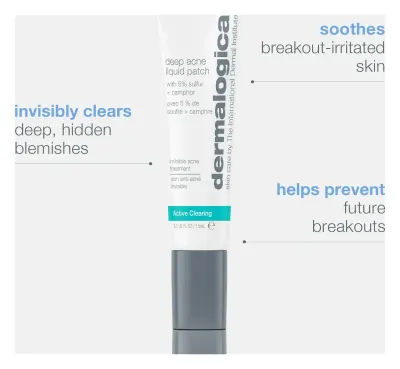
Pimple Patches & Overnight Spot Treatments (2)
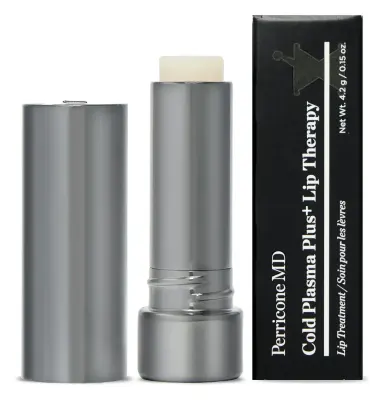
Intensive Lip Recovery Masks & Tinted Balms (2)
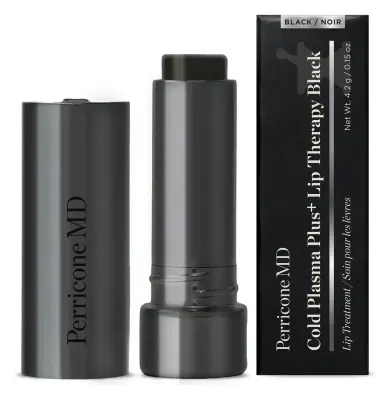
Physical & Enzyme Face Exfoliants (2)
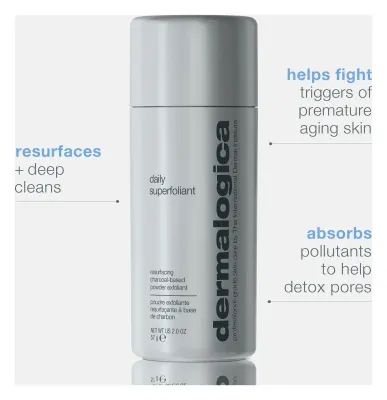
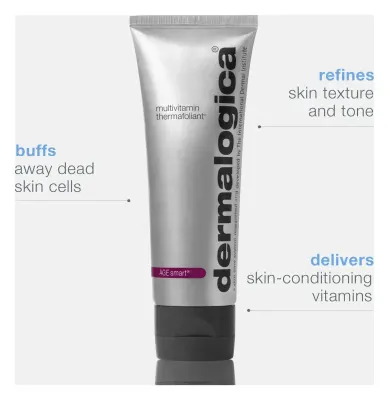
Cream & Gel Treatment Masks (2)


Lipsticks, Glosses & Lip Liners (2)
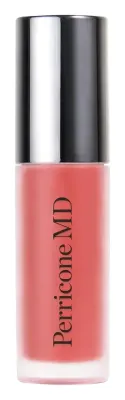
Anti-Aging & Retinoid Serums (1)

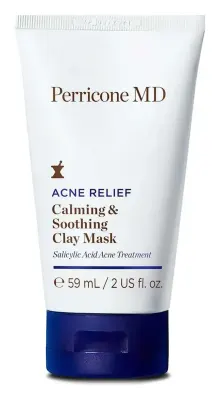
Sheet, Hydrogel & Clay Masks (1)
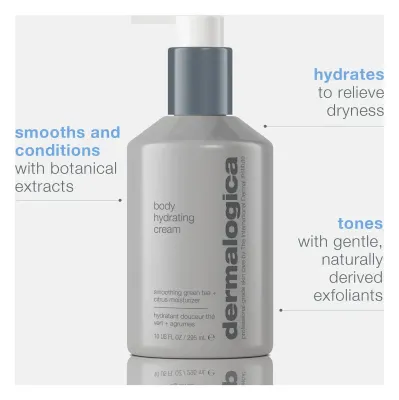
Body Creams, Butters & Body Oils (1)
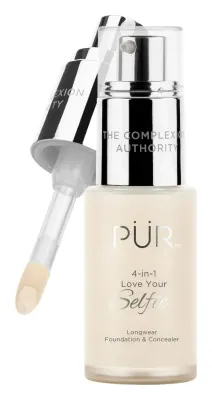
High-Definition Camouflage Concealers (1)
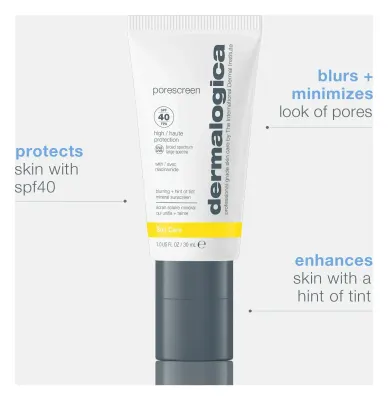
Daily Sunscreens & SPF Moisturizers (1)
Common questions
What does lactic acid do for skin?
Lactic acid is an alpha hydroxy acid used to exfoliate the skin's surface. It can also act as a humectant, helping the outer layers of skin hold water.
Is lactic acid gentler than glycolic acid?
Lactic acid has a larger molecular size than glycolic acid and is often described as a gentler AHA. Tolerance still depends on the product formula and your skin.
Can I use lactic acid with retinol?
Both can be irritating, particularly when introduced together. Consider alternating nights and keep the routine simple while you learn how your skin responds.
Do I need sunscreen with lactic acid?
Use sunscreen as directed during the day while using exfoliating acids. It is a useful part of a routine whether or not you use lactic acid.