Betaine Salicylate
What betaine salicylate does in exfoliating skincare, how it differs from salicylic acid, and how to use it thoughtfully.
Probably fineIn 7 products we cover
We may earn a commission when you buy through links on this page. It never changes what we recommend.
What it is
Betaine salicylate is an exfoliating ingredient found in some leave-on skincare products. Its name points to a relationship with salicylic acid, but it is not simply another name for salicylic acid and the two should not be assumed to have identical performance. Formula, amount and directions all affect the experience of a finished product.
You may see betaine salicylate in toners, essences or exfoliating serums. As with other exfoliating ingredients, more frequent application is not automatically better. Follow the label and consider the rest of your routine before adding it, especially if you already use another acid or a retinoid.
What it does
- Helps exfoliate. It is used to loosen dead skin cells and support a smoother-looking surface.
- Can improve the look of texture. With suitable, consistent use, an exfoliating formula may make roughness or dullness look less noticeable.
- May suit blemish-prone routines. Some products use it for the appearance of congestion, but cosmetic products are not a substitute for care from a dermatologist when breakouts persist.
- Can be too much for some skin. Dryness, stinging, redness or flaking can happen, particularly when multiple active products are layered.
Who it suits
Betaine salicylate may appeal to someone seeking a leave-on exfoliant and who wants to try a product formulated with this ingredient. It is not automatically gentler than salicylic acid, nor can the ingredient name alone predict tolerance. If your skin is sensitive, very dry or already irritated, you may prefer to avoid exfoliation until it settles. Stop if a product causes ongoing discomfort, and ask a dermatologist about a persistent skin concern.
What to pair it with, and what not to
Keep the routine simple when trying betaine salicylate. Use one exfoliant according to its label, then follow with a moisturizer that your skin already tolerates. Use sunscreen as directed during the day while using exfoliating acids. Hyaluronic acid can be used as a hydrating step if it works for you.
Avoid layering it with salicylic acid, glycolic acid or lactic acid at first. Combining exfoliants can make it difficult to work out which product is causing a reaction, and may increase irritation. Introduce one new active at a time, patch-test first and give your skin a night off when needed.
Skin Realist check: A second exfoliant is not a backup plan for the first one. Give your routine room to show you what is helping and what is simply too much.
Quick picks with Betaine Salicylate
Scent-free, no patch-test flags on the label
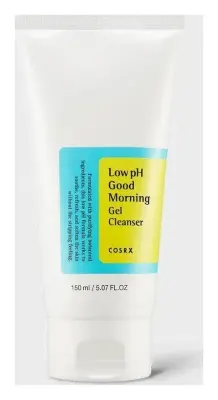
COSRX Low pH Good Morning Gel Cleanser
scent-free label
AmazonFeatured in our guides
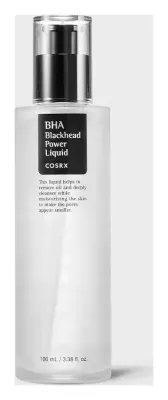
COSRX BHA Blackhead Power Liquid
Betaine Salicylate (BHA) · scent-free label
Amazon
All 7 products with Betaine Salicylate
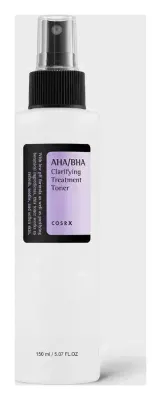
Dermatological Acne & Chemical Exfoliating Liquids (5)
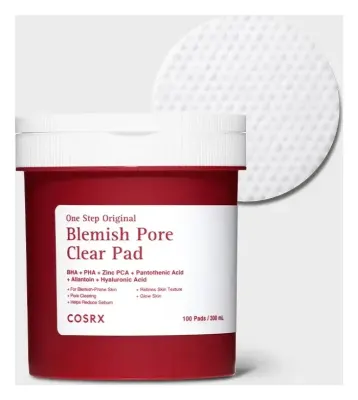
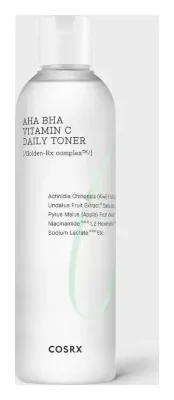
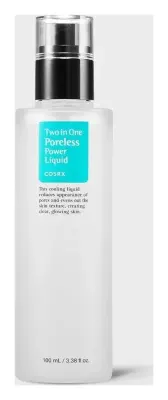
Premium Double-Cleansing Balms & Melting Gels (1)
Daily Moisturizers & Water Gel Creams (1)
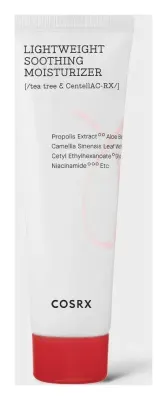
Common questions
What is betaine salicylate?
Betaine salicylate is an exfoliating ingredient used in some skincare formulas. It is associated with salicylic acid, but it is a distinct ingredient and should not be treated as a one-to-one equivalent.
Is betaine salicylate the same as salicylic acid?
No. Their names are related and both appear in exfoliating products, but they are different ingredients. Product formulas and directions matter when comparing them.
Can betaine salicylate irritate skin?
Yes, exfoliating products can cause dryness, redness or stinging for some people. Start gradually and stop or reduce use if persistent irritation develops.
Can I use betaine salicylate with glycolic acid?
Using two exfoliants together can make irritation more likely, especially if you are new to them. Consider alternating nights or choosing one exfoliant instead.