Vitamin C
What vitamin C and its skincare derivatives do, who they suit, and how to choose a formula for your routine.
Extremely safeProbably fineIn 92 products we cover
We may earn a commission when you buy through links on this page. It never changes what we recommend.
What it is
Vitamin C is the common name for ascorbic acid, an antioxidant found naturally in skin and used in topical skincare. Pure ascorbic acid is water-soluble and can be challenging to keep stable in a formula. That is one reason product makers also use derivatives, including sodium ascorbyl phosphate, ascorbyl glucoside, 3-O-ethyl ascorbic acid and the oil-soluble tetrahexyldecyl ascorbate.
These forms are related, but they are not identical. They can differ in solubility, stability and how the skin can use them. A derivative is not automatically more effective or less irritating; the whole formula and your own tolerance matter. Packaging and storage also matter for formulas that can degrade with exposure to air or light.
What it does
- Provides antioxidant support. Vitamin C is used to help protect the look of skin from everyday environmental stressors.
- Brightens the look of tone. Regular use may help improve the appearance of uneven tone and dullness over time.
- Supports a more even-looking complexion. It is often included in routines focused on the look of discoloration, alongside daily sun protection.
- May tingle or irritate. Some formulas, particularly those with pure ascorbic acid, can sting or feel uncomfortable on sensitive or already irritated skin.
Who it suits
Vitamin C may suit people who want an antioxidant step or are working on the look of dullness and uneven tone. If you are new to it, a lower-complexity formula with clear directions can be easier to evaluate than layering several vitamin C products. Someone who finds one form uncomfortable may prefer to stop and try a different formula later, rather than assuming every derivative will feel the same. Persistent skin concerns are best discussed with a dermatologist.
What to pair it with, and what not to
Use vitamin C alongside a moisturizer and sunscreen, not instead of them. It can fit with niacinamide and hyaluronic acid in a routine. If your skin is easily bothered, introduce one active at a time and keep exfoliating acids on separate days until you know how the combination feels.
Follow the product directions and storage advice, especially if the formula is in a clear container or changes noticeably in color or smell. A vitamin C serum that has changed may not perform as intended, so check the manufacturer’s guidance. Apply sunscreen as directed each day; vitamin C does not make sunscreen optional.
Skin Realist check: Vitamin C has a lot of derivative names, but your routine does not need a chemistry degree. Pick one formula you can use consistently and give it time.
How it appears on labels: Ascorbyl Palmitate; Tetrahexyldecyl Ascorbate; 3-O-Ethyl Ascorbic Acid; Ascorbic Acid; Sodium Ascorbyl Phosphate; Aminopropyl Ascorbyl Phosphate; ASCORBYL TETRAISOPALMITATE; Ascorbyl Methylsilanol Pectinate; Ascorbyl Glucoside; Magnesium Ascorbyl Phosphate; Magnesium Ascorbyl Phosphate (Vitamin C); Ascorbic Acid(23%); Ascorbic Acid(13%); 3-0-Ethyl Ascorbic Acid; Sambucus Nigra Flower ExtractAscorbyl Palmitate; Vitis Vinifera (Grape) Seed Extract Ascorbyl Palmitate
Quick picks with Vitamin C
Scent-free, no patch-test flags on the label
COSRX The Vitamin C 13 Serum
Ascorbic Acid (Vitamin C) 13% · scent-free label
AmazonBrand lists it for sensitive skin
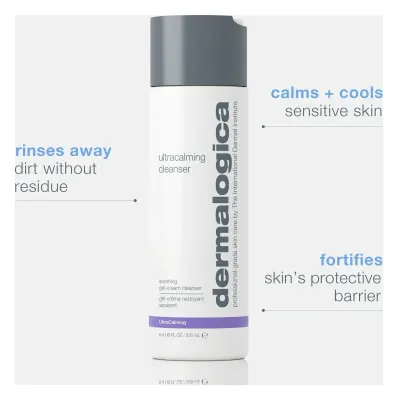
Dermalogica ultracalming cleanser
Panthenol, cucumber fruit extract, raspberry fruit extract · normal, dry, sensitive skin · scent-free label
AmazonBrand lists it for oily skin
Dermalogica biolumin-c vitamin c serum
Vitamin C · oily, dry, combination, sensitive, normal skin · scented
Amazon
All 92 products with Vitamin C
Daily Moisturizers & Water Gel Creams (16)
 Sulwhasoo Concentrated Ginseng Rejuvenating CreamAmazon
 Elemis Pro-Collagen Night CreamAmazon
 Dermalogica biolumin-c vitamin c gel moisturizerAmazon
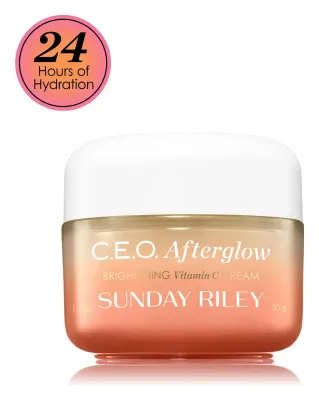 Sunday Riley C.E.O. Afterglow Brightening Vitamin C Gel CreamAmazon
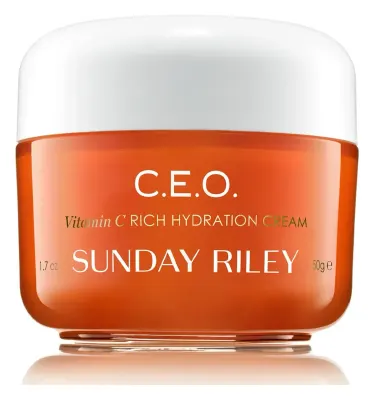 Sunday Riley C.E.O. Vitamin C Rich Hydration CreamAmazon
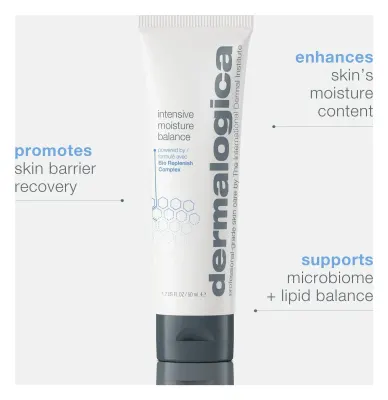 Dermalogica intensive moisture balance moisturizerAmazon
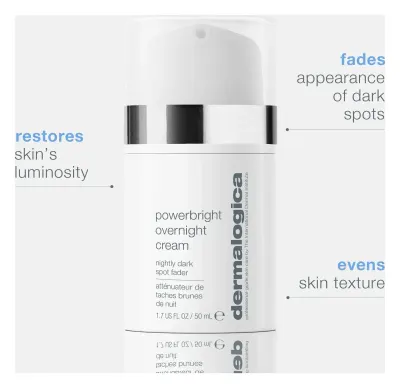 Dermalogica powerbright overnight creamAmazon
 Dermalogica skin smoothing cream moisturizerAmazon
 Perricone MD Cold Plasma Plus+ Advanced Hydrating ComplexAmazon
 Perricone MD Cold Plasma Plus+ Sub-D/NeckAmazon
 Sulwhasoo Concentrated Ginseng Rejuvenating Cream RichAmazon
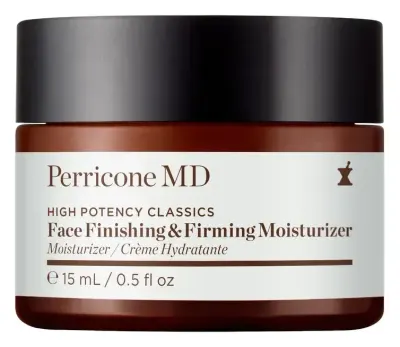 Perricone MD High Potency Classics Face Finishing & Firming MoisturizerAmazon
 Perricone MD High Potency Hyaluronic Intensive MoisturizerAmazon
 Dermalogica multivitamin power recovery creamAmazon
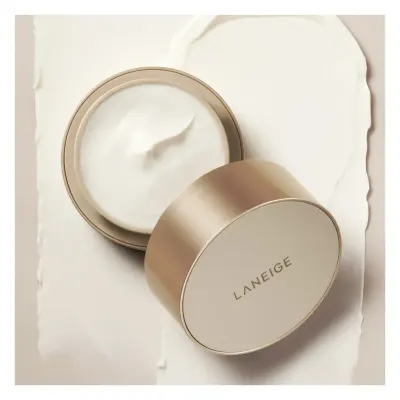 Laneige Perfect Renew 3x Cream AdvancedAmazon
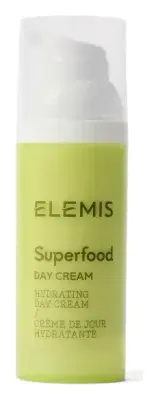 Elemis Superfood Day CreamAmazon
Targeted Vitamin C & Brightening Correctors (12)
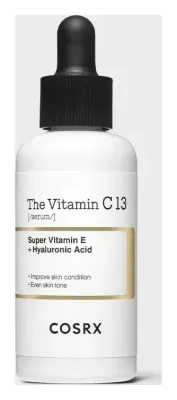 COSRX The Vitamin C 13 SerumAmazon
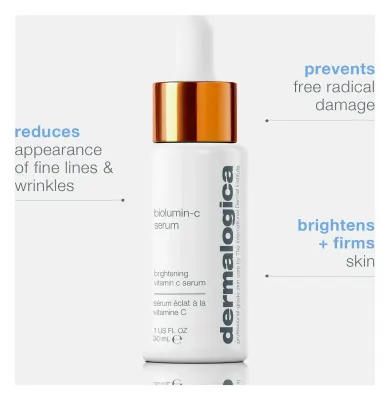 Dermalogica biolumin-c vitamin c serumAmazon
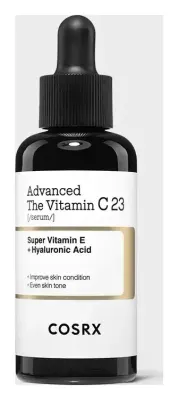 COSRX Advanced The Vitamin C 23 SerumAmazon
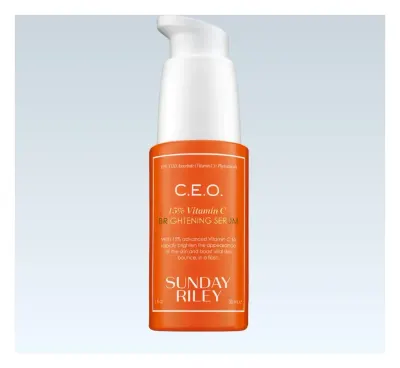 Sunday Riley C.E.O. 15% Vitamin C Brightening SerumAmazon
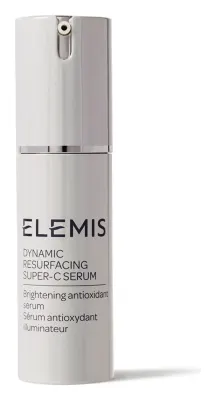 Elemis Dynamic Resurfacing Super-C SerumAmazon
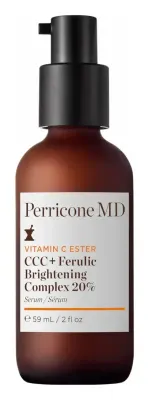 Perricone MD Vitamin C Ester CCC + Ferulic Brightening Complex 20%Amazon
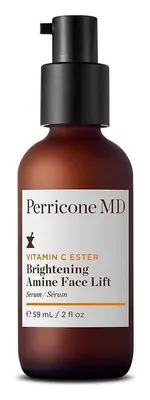 Perricone MD Vitamin C Ester Brightening Amine Face LiftAmazon
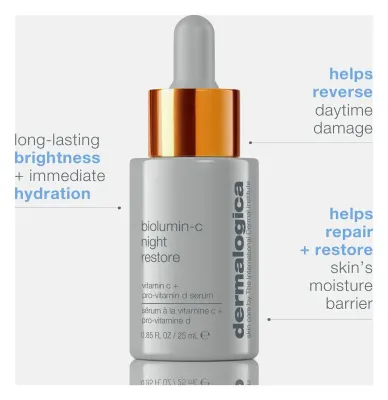 Dermalogica biolumin-c night restore serumAmazon
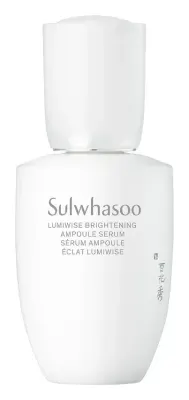 Sulwhasoo Lumiwise Brightening Ampoule SerumAmazon
 Sulwhasoo Lumiwise Discoloration CorrectorAmazon
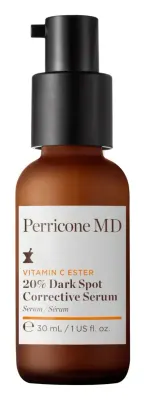 Perricone MD Vitamin C Ester 20% Dark Spot Corrective SerumAmazon
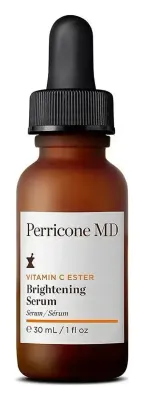 Perricone MD Vitamin C Ester Brightening SerumAmazon
Eye Creams & Under-Eye Patches (8)
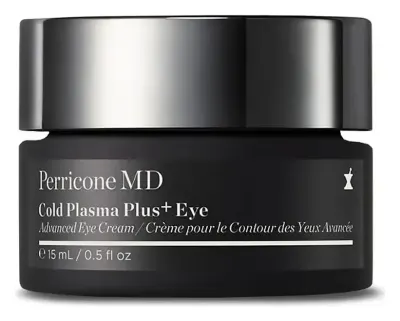 Perricone MD Cold Plasma Plus+ Advanced Eye CreamAmazon
 Dermalogica age reversal eye complexAmazon
 Dermalogica biolumin-c vitamin c eye serumAmazon
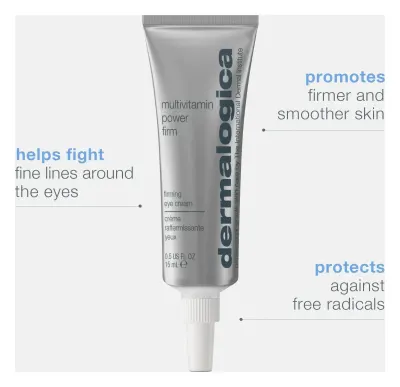 Dermalogica multivitamin power firm eye creamAmazon
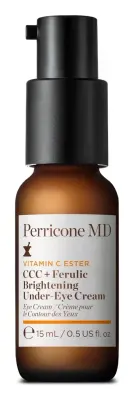 Perricone MD Vitamin C Ester CCC + Ferulic Brightening Under-Eye CreamAmazon
 COSRX 5 PDRN Collagen Vitalizing Hydrogel Eye PatchAmazon
 Sulwhasoo First Care Activating Eye SerumAmazon
 Perricone MD High Potency Triple Retinol Renewal Eye SerumAmazon
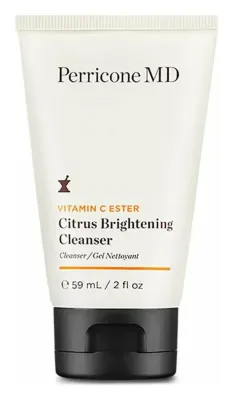
Gel, Foam & Cream Facial Cleansers (5)
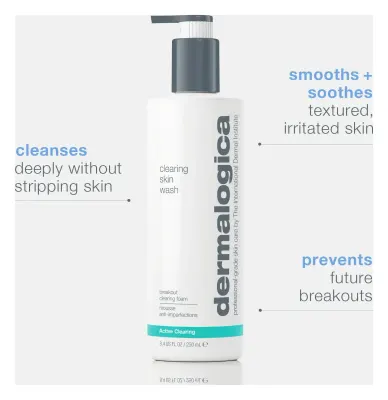
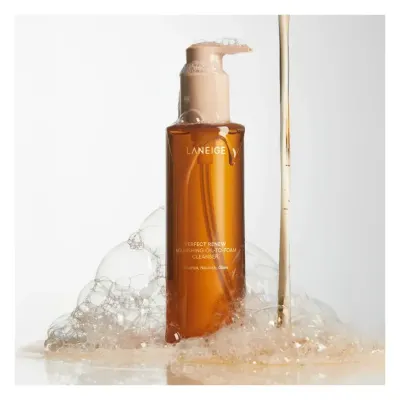

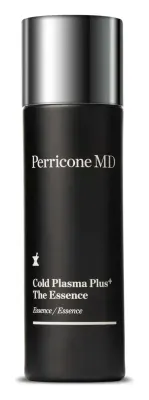
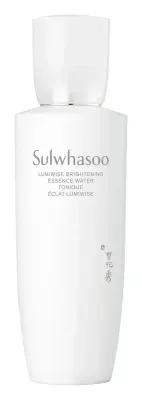
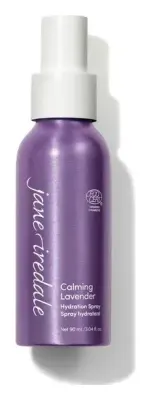
Hydrating Toners, Essence Waters & Face Mists (5)


Eye Shadows, Liners, Mascara & Brow Makeup (5)
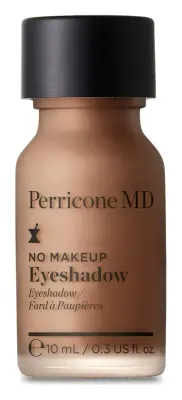
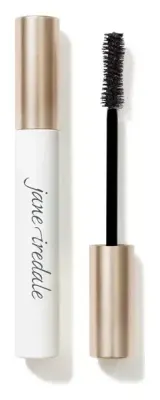
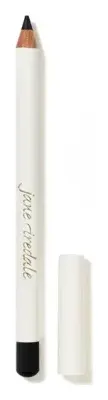
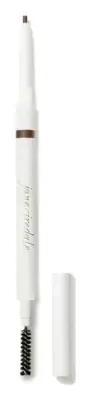
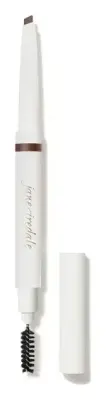
Hydrating Serums, Essences & Ampoules (4)
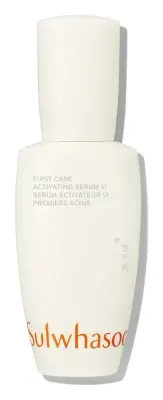
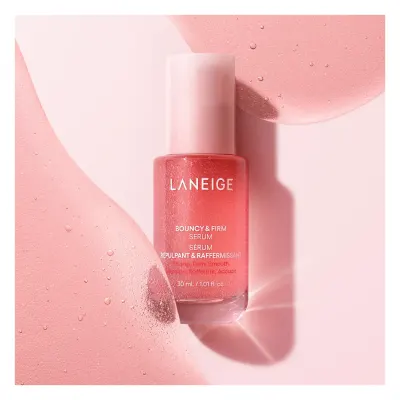
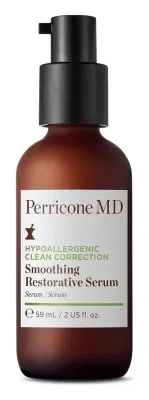

Anti-Aging & Retinoid Serums (4)




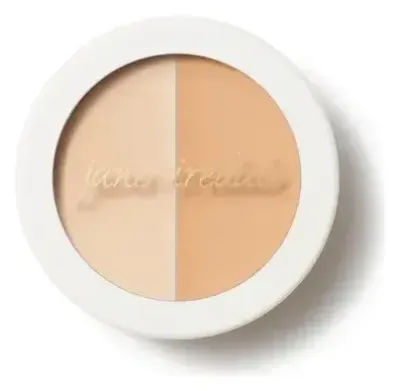
High-Definition Camouflage Concealers (4)

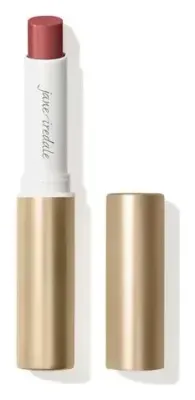
Lipsticks, Glosses & Lip Liners (4)
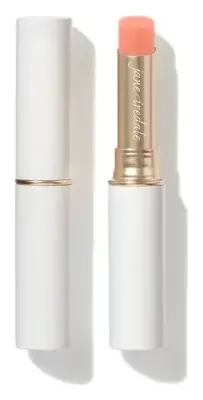
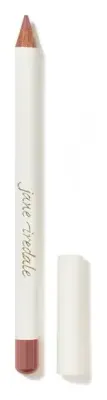
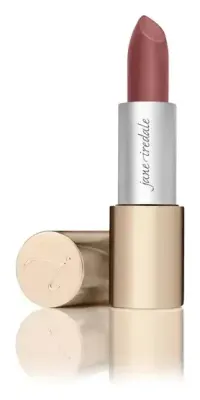
Body Creams, Butters & Body Oils (3)
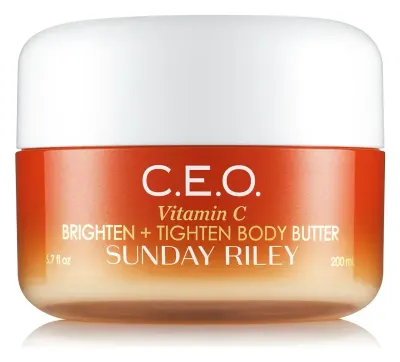
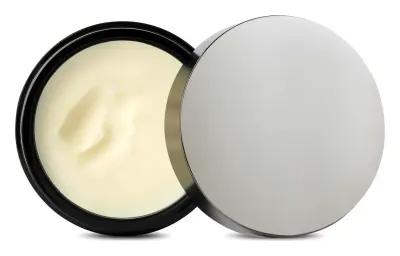
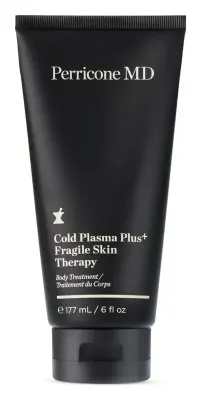
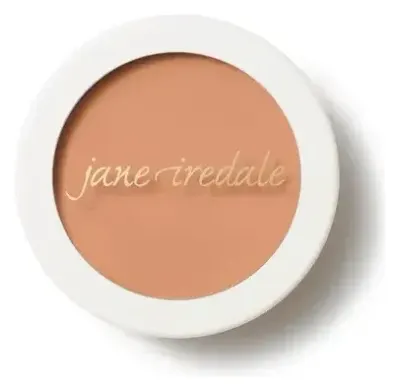
Mineral Pressed Powders & Skin-Nourishing Primers (3)
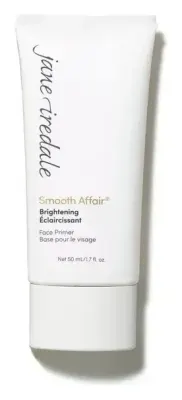
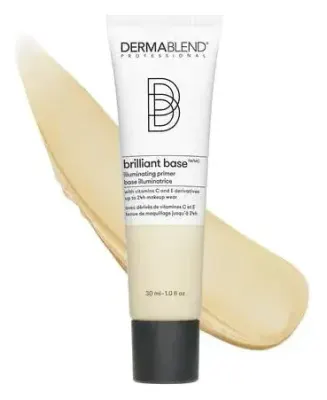
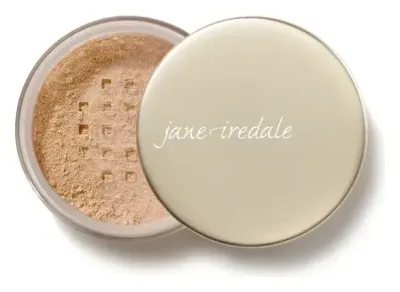
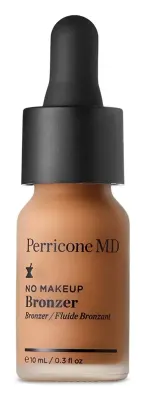
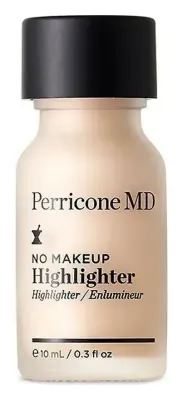
Blush, Bronzers & Highlighters (3)
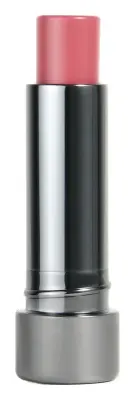
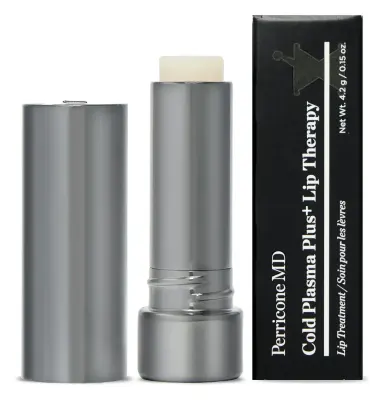
Intensive Lip Recovery Masks & Tinted Balms (2)
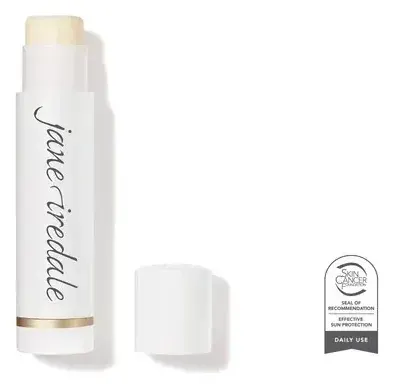
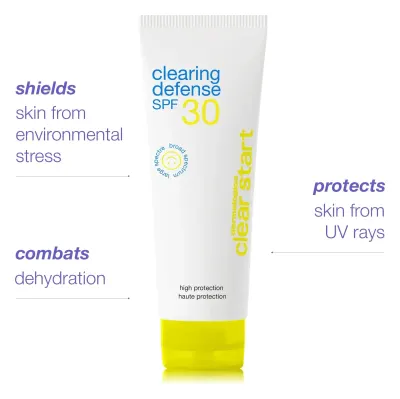
Daily Sunscreens & SPF Moisturizers (2)

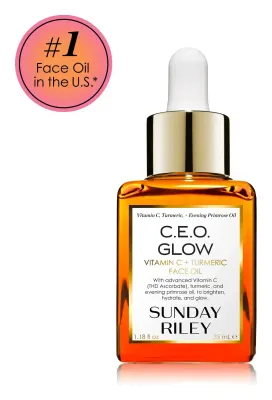
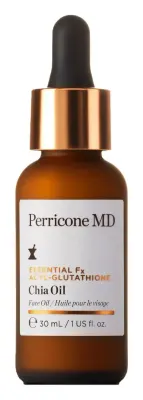
Face Oils & Treatment Oils (2)
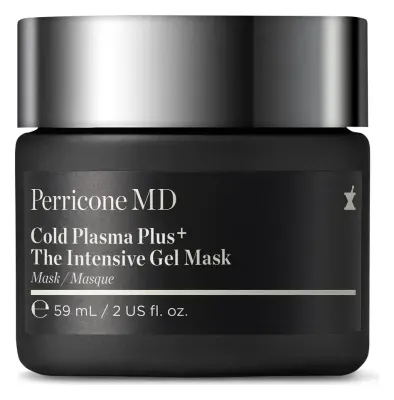
Cream & Gel Treatment Masks (2)

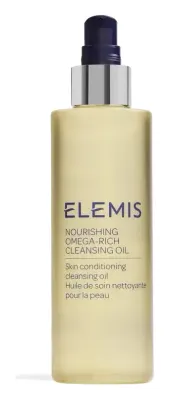
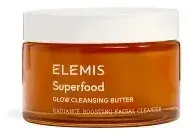
Premium Double-Cleansing Balms & Melting Gels (2)
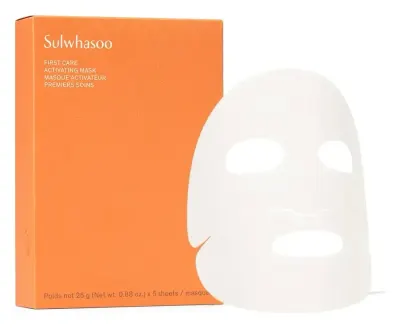
Sheet, Hydrogel & Clay Masks (2)

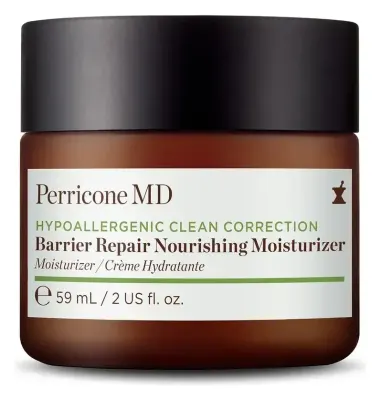
Skin Barrier Repair Creams & Recovery Jars (1)
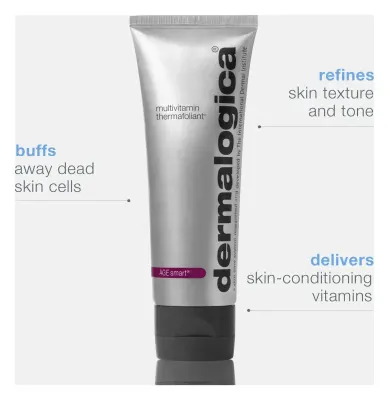
Physical & Enzyme Face Exfoliants (1)
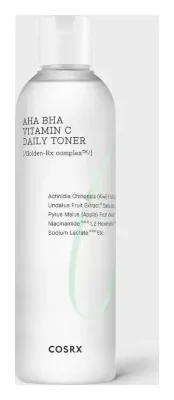
Dermatological Acne & Chemical Exfoliating Liquids (1)
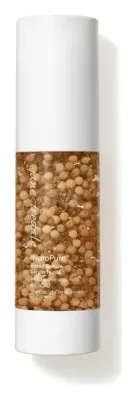
Full-Coverage Camouflage & Liquid Foundations (1)
Common questions
What does vitamin C do for skin?
Vitamin C is an antioxidant used in skincare to help improve the look of uneven tone and add radiance. The evidence and performance can differ among forms and finished formulas.
Is ascorbic acid the same as vitamin C?
Ascorbic acid is the pure, water-soluble form commonly called vitamin C. Products also use derivatives such as sodium ascorbyl phosphate, ascorbyl glucoside, 3-O-ethyl ascorbic acid and tetrahexyldecyl ascorbate.
Can I use vitamin C with niacinamide?
Yes, these ingredients can be used in the same routine, and some products combine them. If layering feels irritating or complicated, use them at different times instead.
Does vitamin C replace sunscreen?
No. A vitamin C product is not sunscreen and does not replace sun protection. Use a broad-spectrum sunscreen as directed during the day.