Rapeseed Seed Oil
What rapeseed seed oil does in skincare, its mix of unsaturated fatty acids, and how storage affects this plant oil.
Extremely safeIn 6 products we cover
We may earn a commission when you buy through links on this page. It never changes what we recommend.
Quick facts
- INCI name
- Brassica Campestris (Rapeseed) Seed Oil
- Origin
- Plant-derived
- Chemical class
- Plant oil (triglycerides)
- What it does in a formula
- emollient, skin conditioning
- Why it is in the formula
- It softens skin and adds a plant-oil emollient feel to creams and balms.
What it is
Harvested and pressed from the seeds of rapeseed plants in the Brassica family, Brassica campestris seed oil is a nourishing vegetable oil composed largely of triglycerides. Its unsaturated fatty-acid profile features oleic, linoleic, and alpha-linolenic acids in variable proportions based on crop conditions. It functions as an emollient carrier oil rather than an essential oil or aromatic fragrance component.
In skincare, rapeseed seed oil is used as an emollient in creams, balms, and facial oils. It can soften skin and give a formula a familiar plant-oil finish. As with other unsaturated oils, it can oxidize over time when exposed to heat, air, or light. The finished product’s packaging, storage, and antioxidant system affect its shelf life, so follow the package guidance and do not use a product that has changed noticeably in smell or appearance.
What it does
- Softens skin. The oil helps smooth the feel of dry or rough skin by adding emollience.
- Adds richness. It contributes to a more cushiony, oil-based texture in a cream or balm.
- Supports the oil phase. It helps make a product feel conditioned and can be combined with other oils, waxes, and emulsifiers.
Who it suits
Rapeseed seed oil may suit dry or normal skin, or anyone who likes a richer emollient finish. A blend may feel different from pure oil, so the complete formula matters. If you dislike oily textures or find them uncomfortable, choose a lighter lotion or gel. There is no dependable comedogenic rating that tells you whether this specific oil or a finished product will clog pores.
If you have a known allergy to rapeseed or need to know the exact source and processing, check with the manufacturer. Plant-derived does not automatically mean irritation-free. Patch-test a new leave-on product if you know your skin reacts easily, and stop using it if persistent discomfort develops.
What to pair it with, and what not to
Rapeseed oil can sit in a moisturizer with humectants such as glycerin or be used as part of a face-oil blend. There is no need to layer a separate oil over a cream that already feels rich enough. Store the finished product as directed, away from excess heat and sunlight.
Skin Realist check: Plant oils have a perfectly normal job: making things feel softer. They do not need to be a lifestyle, a cleanse, or a personality.
Quick picks with Rapeseed Seed Oil
Scent-free, no patch-test flags on the label
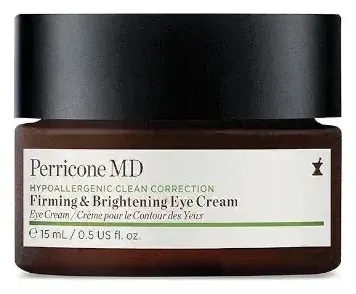
Perricone MD Hypoallergenic Clean Correction Firming & Brightening Eye Cream
Peptides, squalane and chaga mushroom extract · scent-free label
AmazonFeatured in our guides
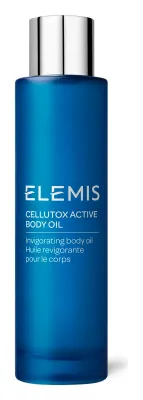
Elemis Cellutox Active Body Oil
Rapeseed seed oil, sea buckthorn fruit oil, orange peel extract, and sea fennel extract · scented
Amazon
All 6 products with Rapeseed Seed Oil
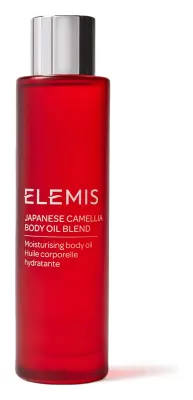
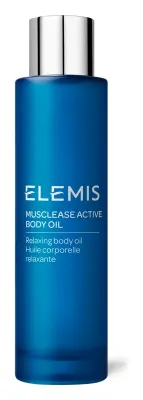
Body Creams, Butters & Body Oils (3)
Eye Creams & Under-Eye Patches (2)

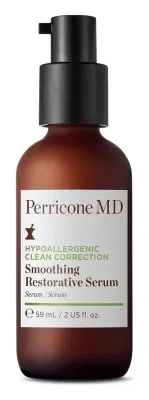
Hydrating Serums, Essences & Ampoules (1)
Common questions
What does rapeseed seed oil do in skincare?
It is an emollient oil that helps soften skin and contributes to a richer, more conditioned feel. It can be used in creams, balms, and other leave-on products.
What fatty acids are in rapeseed oil?
Rapeseed oil generally contains a mix of unsaturated fatty acids, including oleic, linoleic, and alpha-linolenic acids. The exact profile varies with the crop and processing.
Does rapeseed oil go rancid?
Like other plant oils, it can oxidize over time, especially with exposure to heat, air, and light. Packaging and antioxidants in the formula help influence how well the finished product holds up.
Is rapeseed oil comedogenic?
No ingredient-only comedogenic rating can predict how a finished formula will behave for you. The complete product, amount, and your own response are more useful guides.