Butyloctyl Salicylate
What butyloctyl salicylate does in sunscreen and skincare formulas, why it is not a UV filter, and what its SPF-booster label does not mean.
Probably fineIn 8 products we cover
We may earn a commission when you buy through links on this page. It never changes what we recommend.
Quick facts
- INCI name
- Butyloctyl Salicylate
- CAS number
- 190085-41-7
- Origin
- Synthetic
- Chemical class
- Salicylate ester
- What it does in a formula
- solvent, emollient, skin conditioning
- Why it is in the formula
- Helps dissolve sunscreen filters and improves the spread and feel of a formula.
What it is
Often incorporated into sunscreens to help dissolve oil-soluble UV filters and improve formula glide, butyloctyl salicylate is a synthetic ester that functions as an emollient and solvent. While marketing may call it an SPF booster, it is not an active UV filter itself. In the United States, official sun protection is determined by tested active drug ingredients and labeled SPF rather than this supporting ester.
This distinction matters when you shop. Butyloctyl salicylate can support the texture and formulation of a sunscreen, but it does not replace an FDA-listed sunscreen active.
What it does
- Dissolves oil-soluble materials. It can help incorporate certain UV filters or other ingredients into an oil phase.
- Improves spread. As an emollient, it can help a formula glide over the skin.
- Contributes to formula performance. In a sunscreen, it may work alongside approved UV filters, but does not count as a filter itself.
Who it suits
You may encounter it in a sunscreen, lotion, or other cosmetic regardless of skin type. Its presence alone does not tell you whether the product is protective, since sunscreen performance is a property of the tested finished formula. Choose sunscreen by its label, broad-spectrum designation, and intended use. Apply it according to the directions, and reapply as directed.
If you have a salicylate allergy or a specific concern about this ester, ask a dermatologist or the product manufacturer. The word salicylate here does not mean the product is equivalent to salicylic acid, and it should not be assumed to exfoliate pores. As with any cosmetic, the complete formula can matter more to tolerance than a single emollient. Patch-test if your skin is reactive.
What to pair it with, and what not to
In sunscreen, butyloctyl salicylate is already part of a formulated product alongside sunscreen actives and other ingredients. Do not use it as a substitute for sunscreen. For a routine, layer sunscreen after moisturizer according to the product directions, and use a tested broad-spectrum sunscreen for sun protection.
Skin Realist check: A long ingredient name is not a sunscreen rating. The actual SPF label is the part to read.
Quick picks with Butyloctyl Salicylate
Scent-free, no patch-test flags on the label
Dermalogica golden hour hydrating spf30 stick
Squalane, jojoba seed oil, willow bark extract, and a golden shimmer finish · scent-free label
AmazonBrand lists it for sensitive skin
Dermalogica invisible physical defense mineral sunscreen spf30
Zinc oxide, Bio-Active Mushroom Complex, Green Tea, and Hyaluronic Acid · oily, dry, combination, sensitive, normal skin · scented
AmazonBrand lists it for oily skin
Dermalogica biolumin-c heat aging protector spf50
Ultra-stable vitamin C complex, ThermaRadiance Complex, Physalis, vitamin E, safflower oleosomes · combination, dry, normal, oily, sensitive skin · scented
Amazon
All 8 products with Butyloctyl Salicylate
Daily Sunscreens & SPF Moisturizers (6)
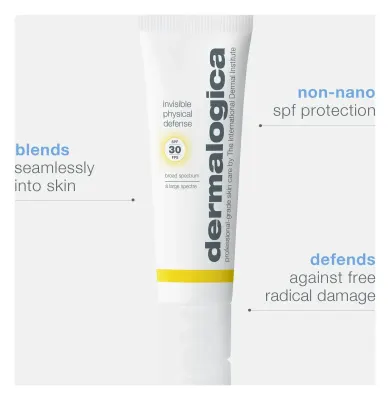 Dermalogica invisible physical defense mineral sunscreen spf30Amazon
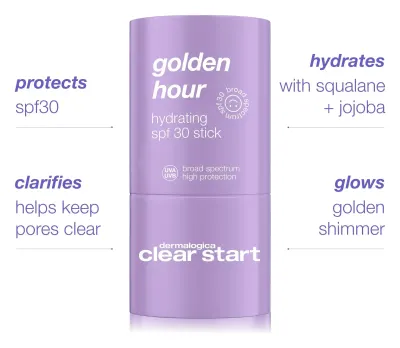 Dermalogica golden hour hydrating spf30 stickAmazon
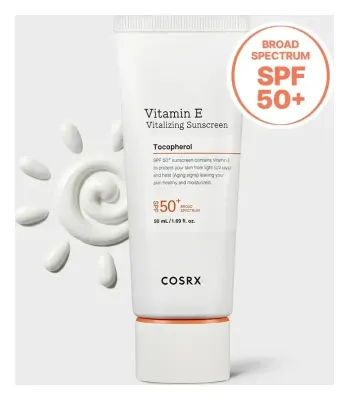 COSRX Vitamin E Vitalizing Sunscreen SPF 50+Amazon
 Dermalogica biolumin-c heat aging protector spf50Amazon
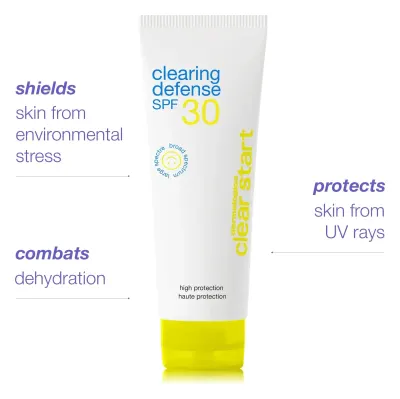 Dermalogica clearing defense spf30Amazon
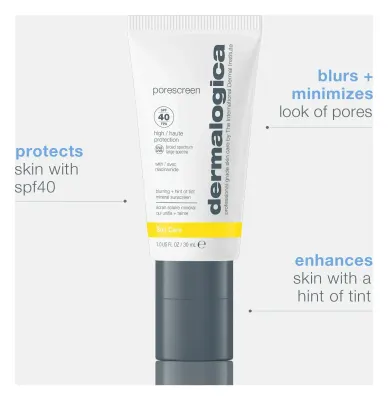 Dermalogica porescreen mineral sunscreen spf40Amazon
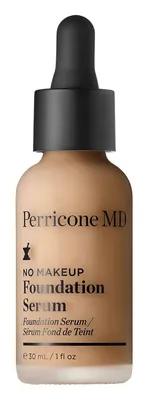
Full-Coverage Camouflage & Liquid Foundations (1)
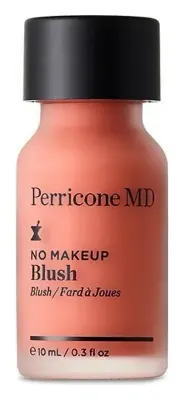
Blush, Bronzers & Highlighters (1)
Common questions
What is butyloctyl salicylate in sunscreen?
It is an emollient ester used in some sunscreen and cosmetic formulas. It can help dissolve UV filters and improve how a product spreads.
Is butyloctyl salicylate a UV filter?
No. It is not itself an FDA-listed sunscreen active ingredient in the United States. It may be used to help formulate or improve a sunscreen, but does not provide an SPF on its own.
What does SPF booster mean?
The phrase describes a formulation role in which an ingredient may help other sunscreen actives perform in the finished formula. It does not mean the ingredient is a standalone UV filter or that a product's SPF can be inferred from its ingredient list.
Can butyloctyl salicylate be used with sunscreen?
It is found inside some sunscreen formulas, where the full product is tested and labeled. Use a broad-spectrum sunscreen with an SPF label as directed rather than trying to build sun protection from individual ingredients.