Cellulose
How cellulose helps thicken and stabilize cosmetics, where the plant-derived material comes from, and why it is a supporting ingredient.
Extremely safeIn 7 products we cover
We may earn a commission when you buy through links on this page. It never changes what we recommend.
Quick facts
- INCI name
- Cellulose
- Origin
- Plant-derived
- Chemical class
- Plant polysaccharide
- What it does in a formula
- viscosity controlling, stabilizing, film forming
- Why it is in the formula
- Usually used to add body, improve suspension, or form a light film in a cosmetic formula.
What it is
Derived from natural plant cell walls, cellulose is an insoluble carbohydrate polymer processed into a fine powder for cosmetic use. It functions as an absorbent, matting agent, and bulk texture modifier in skincare and makeup. It is distinct from chemically modified, water-soluble derivatives like cellulose gum or hydroxyethylcellulose, which behave differently in water-based formulas.
You may encounter cellulose in creams, lotions, masks, makeup, or cleansing products. Depending on its physical form, it can thicken a mixture, help keep particles evenly distributed, or create a light film. It is a formulation ingredient, not a plant extract that supplies a particular botanical benefit.
What it does
- Builds viscosity. Cellulose can add body to a product and make it less runny.
- Helps suspend particles. A thicker structure can slow pigments or other solids from settling out of a mixture.
- Contributes to film formation. In some formulas it can leave a light layer that changes slip or helps the product feel more even.
- Supports product texture. It is a practical helper, not the reason to buy a product for a skin concern.
Who it suits
Cellulose is usually included to help with a formula’s texture rather than to act directly on skin. Its presence does not determine whether a product is light, heavy, sticky, or suitable for a particular skin type. Other ingredients and the amount of cellulose used matter. If you prefer a particular finish, judge the complete product rather than one thickener.
If a product causes recurring discomfort, stop using it and consider the entire ingredient list. A dermatologist can help with persistent reactions.
What to pair it with, and what not to
There is no active ingredient that cellulose needs alongside it. It is part of the formula’s structure, often in combination with water, emollients, and other stabilizers. Use the finished product according to its directions and do not add another step to compensate for the presence of a thickener.
Skin Realist check: Some ingredients are more like good stagehands than stars. The show still needs both.
Quick picks with Cellulose
Scent-free, no patch-test flags on the label
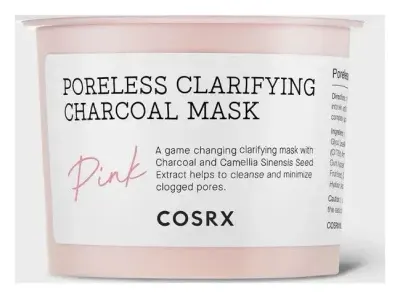
COSRX Poreless Clarifying Charcoal Mask
Charcoal · scent-free label
AmazonBrand lists it for sensitive skin
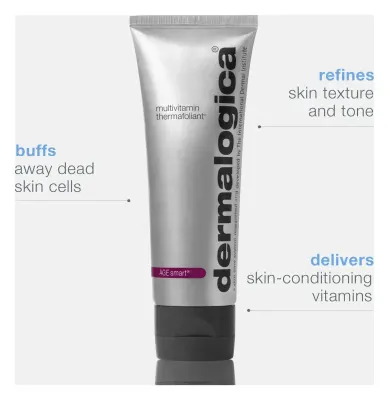
Dermalogica multivitamin thermafoliant
Lactic acid, salicylic acid, retinol, and tetrahexyldecyl ascorbate · oily, dry, combination, sensitive, normal skin · scented
Amazon
All 7 products with Cellulose
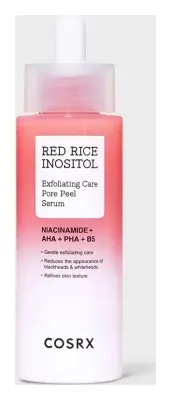
Dermatological Acne & Chemical Exfoliating Liquids (2)
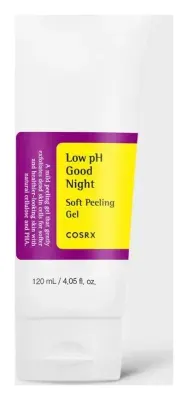
Physical & Enzyme Face Exfoliants (1)
Sheet, Hydrogel & Clay Masks (1)
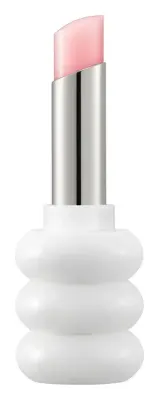
Intensive Lip Recovery Masks & Tinted Balms (1)
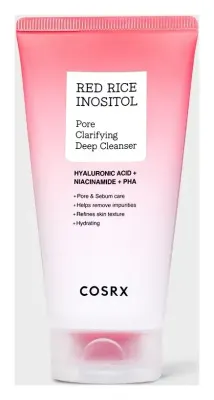
Premium Double-Cleansing Balms & Melting Gels (1)
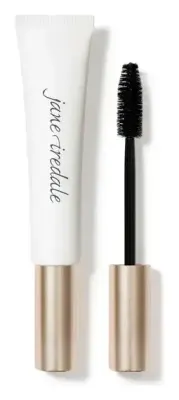
Eye Shadows, Liners, Mascara & Brow Makeup (1)
Common questions
What does cellulose do in skincare?
It can thicken a formula, help keep particles suspended, or contribute to a light film. The exact role depends on the form of cellulose and the product.
Is cellulose natural?
Cellulose is a structural carbohydrate found in plant cell walls and is usually sourced from plant material for cosmetics. It is processed before it is added to a product.
Is cellulose the same as microcrystalline cellulose?
They are related but distinct forms. Microcrystalline cellulose is a processed cellulose material with its own texture and formula uses.
Is cellulose an active ingredient?
It is usually a texture or stability helper rather than a skin active. Its presence does not tell you what a product is intended to do.