Cetearyl Glucoside
What cetearyl glucoside does in skincare as a plant-derived emulsifier, and why a mild-sounding surfactant can still bother some people.
Extremely safeIn 7 products we cover
We may earn a commission when you buy through links on this page. It never changes what we recommend.
Quick facts
- INCI name
- Cetearyl Glucoside
- Origin
- Plant-derived or Synthetic
- Chemical class
- Alkyl glucoside emulsifier
- What it does in a formula
- emulsifying, surfactant, skin conditioning
- Why it is in the formula
- Helps blend oil and water and gives creams a smooth, stable texture.
What it is
To keep oil and water droplets permanently blended into a silky emulsion, formulators use cetearyl glucoside, a nonionic surfactant made from glucose and fatty alcohols. While the word glucoside indicates a sugar-derived component, the resulting molecule is an effective cosmetic emulsifier. It stabilizes lotions and creams while contributing to a soft, smooth skin feel.
This ingredient is part of the alkyl glucoside family. These materials are often selected for mild-feeling formulas, but they are not incapable of causing a reaction. Alkyl glucosides are documented contact allergens for some people. It may appear alongside fatty alcohols, oils, and other emulsifiers that shape the final product.
What it does
- Emulsifies. It helps oil and water form a stable mixture rather than separating.
- Supports cream texture. It contributes to a smooth and consistent feel during application.
- Works with other structure ingredients. Formulators often combine it with fatty alcohols or oils to tune thickness and stability.
Who it suits
Most people encounter cetearyl glucoside as a small part of a finished cream or lotion rather than as a standalone ingredient. The complete formula and the amount used determine the feel. If you have no known allergy, there is no need to avoid it simply because the word surfactant appears on the label.
People with a known allergy to alkyl glucosides or a repeated reaction to products containing them should check ingredient lists and follow clinician advice. A mild reputation is not a promise for every person. Patch-test a new product if your skin is reactive, and stop using it if irritation persists. If you cannot identify a trigger, a dermatologist can help assess the full product and your history.
What to pair it with, and what not to
Cetearyl glucoside does not need a separate companion. It usually works inside an emulsion alongside humectants such as glycerin or emollients such as squalane. Choose the finished product by its texture and use, not by trying to collect more emulsifiers.
Skin Realist check: An ingredient can have a gentle reputation and still be one you personally do not get along with.
Quick picks with Cetearyl Glucoside
Scent-free, no patch-test flags on the label
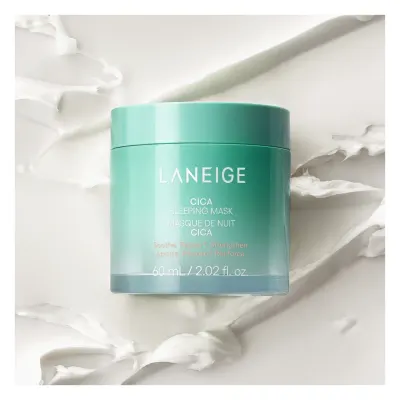
Laneige Cica Sleeping Mask with Centella Asiatica for Moisture Barrier Support
Centella asiatica, madecassoside, panthenol, squalane, niacinamide · normal, dry, combination, sensitive skin · scent-free label
AmazonBrand lists it for sensitive skin
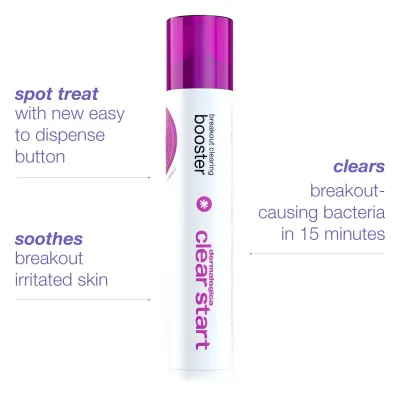
Dermalogica Breakout Clearing Booster
Salicylic acid, niacinamide, tea tree leaf oil, lactic acid · normal, dry, combination, oily, sensitive skin · scented
AmazonBrand lists it for dry skin
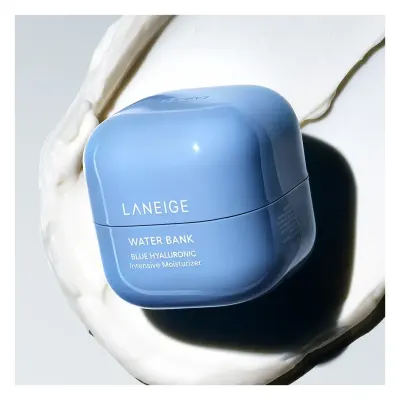
Laneige Water Bank Blue Hyaluronic Intensive Moisturizer
Blue Hyaluronic Acid, squalane, ceramide NP, niacinamide · dry, sensitive skin · scented
Amazon
All 7 products with Cetearyl Glucoside
Daily Moisturizers & Water Gel Creams (3)



Premium Overnight Recovery Packs & Sleeping Facials (2)

Pimple Patches & Overnight Spot Treatments (1)
Skin Barrier Repair Creams & Recovery Jars (1)
Common questions
What is cetearyl glucoside in skincare?
It is a nonionic alkyl glucoside made from a sugar-derived portion and fatty alcohols. It is used mainly to help oil and water mix in creams and lotions.
Is cetearyl glucoside a surfactant?
Yes. It is a nonionic surfactant that can function as an emulsifier. In a moisturizer it helps stabilize the blend rather than acting as a primary cleanser.
Is cetearyl glucoside gentle?
It is often used in mild-feeling formulas, but alkyl glucosides are documented contact allergens for some people. A product's overall formula and your own sensitivities matter.
Why is cetearyl glucoside in moisturizer?
It helps keep water and oils mixed so a cream stays uniform and spreads consistently. It is a supporting ingredient rather than the reason to buy the product.