Cyclodextrin
A ring-shaped carbohydrate used to hold or deliver selected ingredients and, in some formulas, to bind unwanted odors.
Extremely safeIn 6 products we cover
We may earn a commission when you buy through links on this page. It never changes what we recommend.
Quick facts
- INCI name
- Cyclodextrin
- Origin
- Biotech (fermentation)
- Chemical class
- Cyclic oligosaccharide
- What it does in a formula
- absorbent, stabilizing, masking
- Why it is in the formula
- It can form complexes with selected molecules to help stabilize, carry, or control their release in a formula.
What it is
Produced from starch using specialized enzymes, cyclodextrin is a family of ring-shaped carbohydrates made from linked glucose units. Each ring has a water-friendly exterior and a central cavity that can hold compatible molecules. This structure allows cyclodextrin to form temporary complexes with other ingredients without converting them into new actives.
The label name does not specify which cyclodextrin type is used. Different forms have different ring sizes and can accommodate different molecules. In cosmetics, the ingredient may appear in skin-care products, deodorizing formulas, or makeup as a carrier or stabilizing helper.
What it does
- Holds selected molecules. Cyclodextrin can form complexes with certain ingredients that fit its inner cavity.
- Supports stability. By associating with a guest molecule, it may help protect or manage that ingredient in a formula.
- Can affect release or odor. Depending on the product, the complex may change how an ingredient is released or help capture odor molecules.
- Acts as a formula helper. It is not necessarily a direct humectant or a headline skin-care active.
Who it suits
Most people will see cyclodextrin as one part of a finished product rather than as a standalone ingredient. It can be used in different types of formulas, so the overall texture and purpose of the product are more helpful than the name alone. If you are looking for moisturization, check for the product’s overall humectant and emollient blend rather than assuming cyclodextrin is doing all the hydration work.
A label does not reveal the specific cyclodextrin type or what molecule it is carrying. That information is usually part of the product design rather than something you can infer from one line. If you have sensitive skin, try a new formula cautiously and stop if it causes persistent discomfort. For a recurring reaction, a dermatologist can help you consider the entire ingredient list.
What to pair it with, and what not to
There is no need to add another ingredient to make cyclodextrin work in your routine. It is included in the formula to interact with selected ingredients already there. Use the product as directed and choose it for its complete formula and finish.
Skin Realist check: A useful ingredient can be invisible in both the formula and the finished routine. No applause required.
Quick picks with Cyclodextrin
Scent-free, no patch-test flags on the label
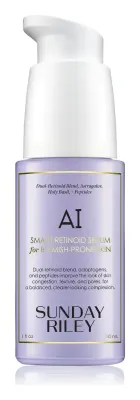
Sunday Riley A.I. Smart Retinoid Serum
Hydroxypinacolone Retinoate · scent-free label
AmazonBrand lists it for sensitive skin
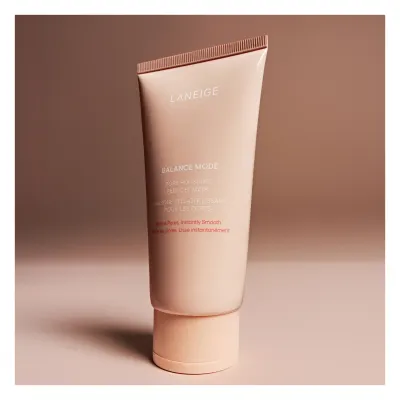
Laneige Balance Mode Rice Foaming Deep Cleanser
Rice-inamide Complex, rice powder, glycolic acid, and ceramide · combination, oily, normal, sensitive skin · scent-free label
AmazonBrand lists it for oily skin
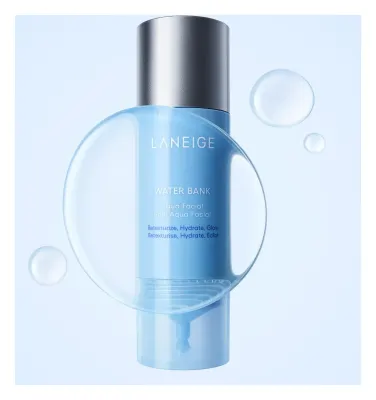
Laneige Water Bank Aqua Facial
AHA, BHA, PHA, niacinamide, ceramide NP, hyaluronic acid, polyglutamic acid · normal, dry, combination, oily, sensitive skin · scent-free label
Amazon

All 6 products with Cyclodextrin
Anti-Aging & Retinoid Serums (1)
Gel, Foam & Cream Facial Cleansers (1)
Dermatological Acne & Chemical Exfoliating Liquids (1)
Cream & Gel Treatment Masks (1)
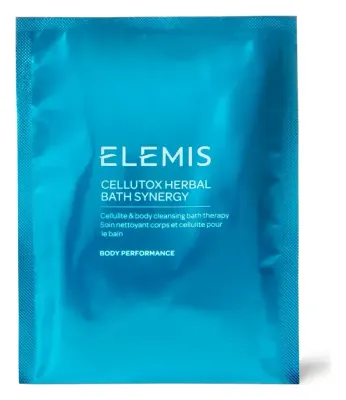
Body Creams, Butters & Body Oils (1)
Targeted Vitamin C & Brightening Correctors (1)

Common questions
What does cyclodextrin do in cosmetics?
Cyclodextrin is a ring-shaped carbohydrate that can hold selected small molecules inside its structure. In cosmetics, it may help with ingredient stability, delivery, or odor control.
Is cyclodextrin a sugar?
It is a carbohydrate made from linked sugar units, commonly produced from starch using enzymes. It is not the same as table sugar in structure or cosmetic function.
Is cyclodextrin a humectant?
Some sources describe sugar-derived ingredients as water-binding, but cyclodextrin is better known in formulas for its ability to form complexes with other molecules. Its exact job depends on the product.
Is cyclodextrin natural?
Cyclodextrins are commonly made from starch through enzyme-assisted processing. Their carbohydrate building blocks are plant-derived, although the finished ingredient is processed.