Diisostearyl Malate
What diisostearyl malate does as a silky emollient, why it appears in makeup and skincare, and how it affects product feel.
Extremely safeIn 9 products we cover
We may earn a commission when you buy through links on this page. It never changes what we recommend.
Quick facts
- INCI name
- Diisostearyl Malate
- Origin
- Plant-derived or Synthetic
- Chemical class
- Branched-chain ester emollient
- What it does in a formula
- skin conditioning, emollient
- Why it is in the formula
- It softens skin and adds slip, helping makeup or skincare spread smoothly.
What it is
Most lip products and foundations that glide on with a cushiony feel rely on emollient esters like diisostearyl malate, which is made from malic acid and branched isostearyl groups. It functions as a texture modifier that adds rich slip without feeling watery. While synthesized from fatty feedstocks, the label does not reveal the raw material source. Importantly, this ester behaves very differently from free malic acid and is not an exfoliating treatment.
What it does
- Softens skin. As an emollient, it contributes a smooth, conditioned feel.
- Adds slip. It helps makeup and skincare spread more evenly, with a cushioned rather than watery texture.
- Supports formula feel. It can contribute shine or a soft finish in lip products. It is a supporting ingredient, not the reason to buy a product.
Who it suits
Diisostearyl malate can appear in products for a range of skin types because its main job is to improve application and texture. People who like richer, more emollient products may appreciate its feel, while someone who prefers a barely-there finish may choose a lighter formula. The ingredient name alone does not predict how the complete product will sit on your skin.
Do not confuse it with free malic acid, which may be used as an exfoliating acid in some formulas. Diisostearyl malate is an ester and functions mainly as an emollient. If you have a known sensitivity to a finished product, check the whole ingredient list and stop using it if it causes ongoing irritation. There is no universal comedogenic rating that can predict whether a particular product will clog pores for you.
What to pair it with, and what not to
There is no special active to pair with diisostearyl malate. It is blended into finished products with oils, waxes, pigments, or other emollients. Choose the overall formula based on the texture you enjoy rather than layering additional products to recreate its slip.
Skin Realist check: A comfortable texture is a perfectly valid product feature. Not every ingredient needs to audition for the role of active.
Quick picks with Diisostearyl Malate
Scent-free, no patch-test flags on the label
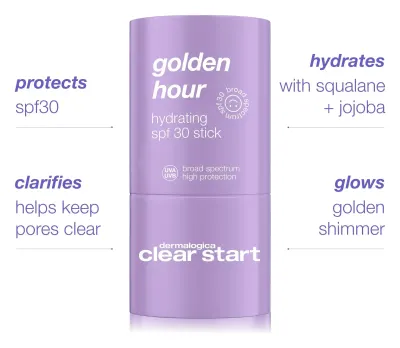
Dermalogica golden hour hydrating spf30 stick
Squalane, jojoba seed oil, willow bark extract, and a golden shimmer finish · scent-free label
AmazonFeatured in our guides
Laneige Bouncy & Firm Sleeping Mask
Peony & collagen complex, hyaluronic acid, squalane, probiotic ferment lysate, and peptides · scented
Amazon

All 9 products with Diisostearyl Malate
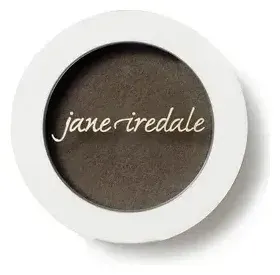
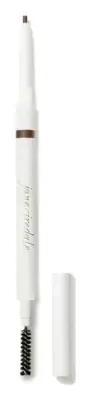
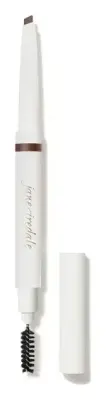
Eye Shadows, Liners, Mascara & Brow Makeup (3)
Premium Overnight Recovery Packs & Sleeping Facials (1)
Daily Sunscreens & SPF Moisturizers (1)
Premium Double-Cleansing Balms & Melting Gels (1)
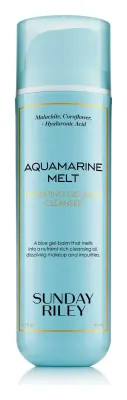
Daily Moisturizers & Water Gel Creams (1)

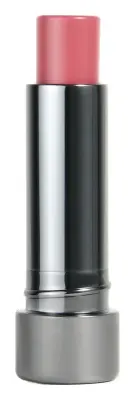
Blush, Bronzers & Highlighters (1)
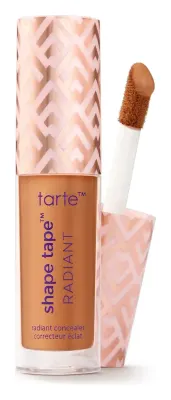
High-Definition Camouflage Concealers (1)
Common questions
What does diisostearyl malate do in skincare?
It is an emollient ester that helps soften skin and gives a formula a smooth, cushiony slip. It is often useful in products that need to spread evenly.
Is diisostearyl malate an active ingredient?
It is primarily a texture and conditioning ingredient, not a targeted active. Its value is usually in the feel and application of the finished formula.
Is diisostearyl malate comedogenic?
There is no reliable score that predicts how an ester in a finished product will behave for every person. Product texture and your own response matter more than a chart ranking one ingredient.
Why is diisostearyl malate in lipstick?
Its emollient feel and slip can help a product spread smoothly and feel comfortable. The rest of the formula controls its final texture, shine, and wear.