Disodium Cocoamphodiacetate
What disodium cocoamphodiacetate does in cleansers, how a cleanser's mildness depends on its whole formula, and who may want to patch-test.
Extremely safeIn 7 products we cover
We may earn a commission when you buy through links on this page. It never changes what we recommend.
Quick facts
- INCI name
- Disodium Cocoamphodiacetate
- Origin
- Plant-derived or Synthetic
- Chemical class
- Amphoteric surfactant
- What it does in a formula
- cleansing, surfactant, foam boosting
- Why it is in the formula
- Helps lift oil and soil from skin and supports foam in rinse-off cleansers.
What it is
Derived in part from coconut fatty acids and finished through chemical processing, disodium cocoamphodiacetate is an amphoteric surfactant that helps water lift away surface oils and soil. Its INCI name indicates its chemical family, though it does not specify the exact raw material source or the cleansing intensity of the finished product.
It is used mostly in rinse-off products such as face washes, shampoos, and body cleansers. You may see it alongside other surfactants to help balance cleansing, foam, and after-feel. A surfactant’s reputation for mildness is not a guarantee about the whole product. Formula concentration, pH, blend of cleansing agents, how long it stays on your skin, and how thoroughly you rinse all matter. It is a helper ingredient, not a standalone skin treatment.
What it does
- Cleanses. It helps loosen oily material and surface soil so they can be rinsed away with water.
- Supports foam. It can contribute to the lather and sensory feel of a cleanser.
- Balances surfactant blends. It may be combined with other cleansing agents to tune the formula’s performance and feel.
Who it suits
This ingredient can appear in cleansers made for many skin types. If you prefer a mild-feeling face wash, judge the actual product by how your skin feels after rinsing rather than expecting a particular ingredient to guarantee comfort. A cleanser that leaves your face tight or uncomfortable may not be a good match, even if one of its surfactants is often described as gentle. A lower-foaming or non-foaming cleanser may be a better texture choice for some people.
People with a known sensitivity to a cleanser ingredient should check the full label and patch-test new products where appropriate. Surfactants can cause irritation in some situations, but reaction risk depends on the whole formula and use. Rinse thoroughly, avoid scrubbing, and stop using a product that causes persistent irritation. If you have an ongoing skin condition or recurring reactions, a dermatologist can help you choose a cleansing routine.
What to pair it with, and what not to
A cleanser containing disodium cocoamphodiacetate already has its cleansing system built into the formula. Follow with a moisturizer that suits you, perhaps one containing glycerin or ceramides. There is no need to add a second cleanser just to pair with this surfactant.
Skin Realist check: A cleanser should leave your face clean, not auditioning for a squeaky-clean commercial.
Quick picks with Disodium Cocoamphodiacetate
Scent-free, no patch-test flags on the label
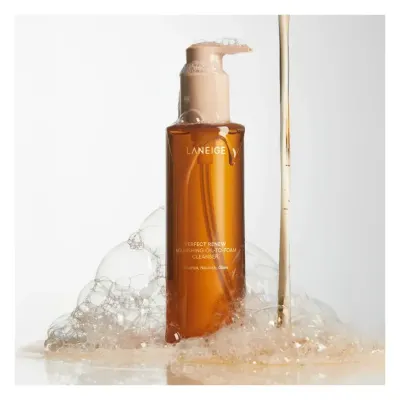
Laneige Balance Mode Rice Foaming Deep Cleanser
Rice-inamide Complex, rice powder, glycolic acid, and ceramide · combination, oily, normal, sensitive skin · scent-free label
AmazonBrand lists it for sensitive skin
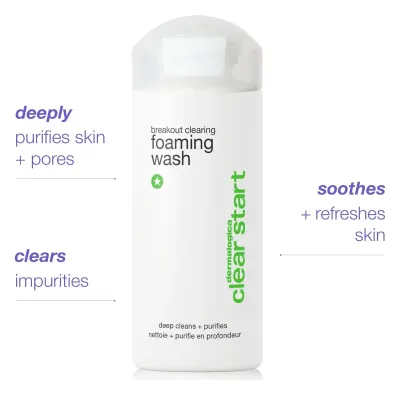
Dermalogica breakout clearing foaming wash
Tea tree leaf oil, oleanolic acid, and licorice root extract · dry, oily, combination, sensitive, normal skin · scented
AmazonBrand lists it for oily skin
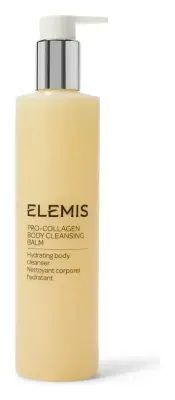
Elemis Pro-Collagen Body Cleansing Balm
Collagen amino acids, Padina pavonica, borago seed oil, camelina seed oil, echium seed oil · combination, dry, normal, oily skin · scented
Amazon

All 7 products with Disodium Cocoamphodiacetate
Gel, Foam & Cream Facial Cleansers (5)
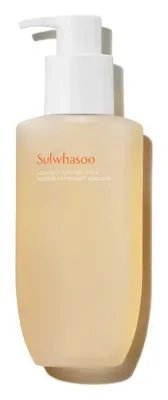
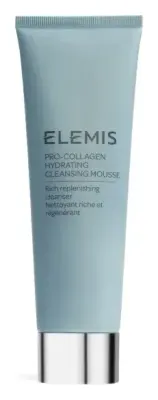
Body Creams, Butters & Body Oils (1)
Premium Double-Cleansing Balms & Melting Gels (1)
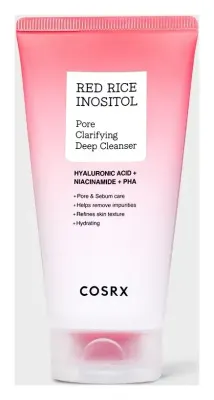
Common questions
What is disodium cocoamphodiacetate?
It is an amphoteric surfactant used in cleansers. Its name reflects a fatty component commonly sourced from coconut and the ingredient's charged structure in water.
Is disodium cocoamphodiacetate a gentle cleanser?
It is often used in mild cleansing blends, but no surfactant guarantees a gentle result by itself. Concentration, pH, other surfactants, contact time, and how you rinse all affect how a cleanser feels.
Does disodium cocoamphodiacetate come from coconut?
Its fatty portion is commonly derived from coconut-based materials, but ingredient sourcing and manufacturing can vary. The label does not tell you a product's exact feedstock.
Can it irritate skin?
Any cleanser can feel irritating to some people, particularly if the formula or washing routine is too harsh. If you have reactive skin, patch-test and stop using a product that causes persistent discomfort.