Disteardimonium Hectorite
A practical guide to disteardimonium hectorite, a modified clay that thickens and stabilizes cosmetics without acting as a skin active.
Extremely safeIn 25 products we cover
We may earn a commission when you buy through links on this page. It never changes what we recommend.
Quick facts
- INCI name
- Disteardimonium Hectorite
- Origin
- Mineral or Synthetic
- Chemical class
- Organically modified clay
- What it does in a formula
- viscosity controlling, suspending, emulsion stabilizing
- Why it is in the formula
- Usually added to thicken and stabilize oil-rich formulas so pigments and other solids stay evenly suspended.
What it is
Created by treating natural hectorite clay with an organic ammonium compound, disteardimonium hectorite is a modified mineral used to stabilize cosmetics and thicken oil phases. Hectorite itself is a naturally occurring clay mineral that requires this chemical modification to disperse smoothly into oils. The INCI name pairs the mineral base with its modifying quaternary component.
You are most likely to see it in makeup, sunscreen, and rich creams, especially products that contain pigments or other particles that need to stay evenly distributed. It is not a plant extract and it is not an active designed to change the look of skin by itself. It helps give the product a particular body and helps keep its ingredients in place between uses.
What it does
- Thickens oil-rich mixtures. It can build a gel-like network in the oil portion of a formula, changing how easily the product flows.
- Helps suspend solids. Pigments and other insoluble particles can settle, so a stabilizing clay can help keep them spread through the formula.
- Supports texture and consistency. It can help a product feel smooth and stay uniform rather than separating or running.
- Plays a supporting role. It helps the formula work as a formula. It is not the main reason to choose a sunscreen, foundation, or moisturizer.
Who it suits
Disteardimonium hectorite is generally a formulation helper, so its name alone does not tell you whether a finished product will feel heavy or light. That depends on the amounts and types of oils, waxes, pigments, and other ingredients around it. A face product can include the clay and still have a fluid texture, while a different formula with the same ingredient can feel much richer.
If you have a known sensitivity to a product containing it, avoid that formula and discuss repeated reactions with a dermatologist. Otherwise, there is no special routine step or gradual introduction schedule for this ingredient. If you are choosing a product based on texture, test the complete formula when possible rather than trying to predict its feel from this long name.
What to pair it with, and what not to
There is nothing to pair with disteardimonium hectorite as an active. It is already part of the formula’s structure. Follow the directions for the finished product, especially for makeup or sunscreen. You do not need to add another product to make the clay work, and its presence does not tell you how often to apply the product.
Skin Realist check: Not every label entry needs to be memorable. This one can stay backstage.
Quick picks with Disteardimonium Hectorite
Scent-free, no patch-test flags on the label
Dermablend Smooth Liquid Camo Foundation
scent-free label
AmazonFeatured in our guides
tarte face tape™ foundation
scented
Amazon
All 25 products with Disteardimonium Hectorite
High-Definition Camouflage Concealers (10)
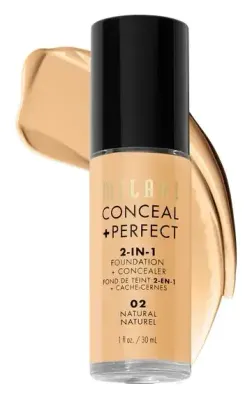 Milani Conceal + Perfect 2-In-1 Foundation + ConcealerAmazon
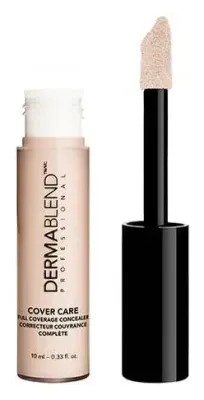 Dermablend Cover Care Full Coverage ConcealerAmazon
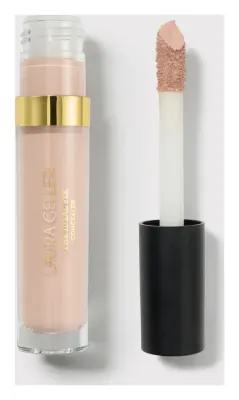 Laura Geller Ideal Fix ConcealerAmazon
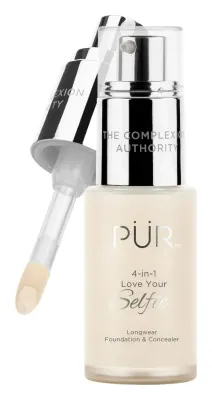 PÜR Love Your Selfie Longwear Foundation & ConcealerAmazon
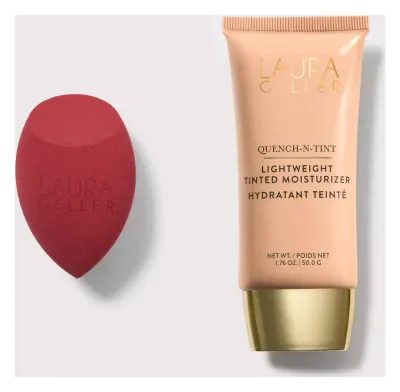 Laura Geller Quench-n-Tint Lightweight Tinted Moisturizer and SpongeAmazon
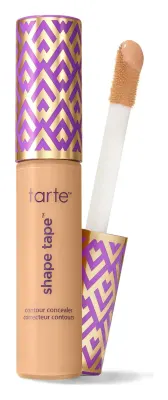 tarte shape tape™ concealerAmazon
 tarte shape tape™ creamy concealerAmazon
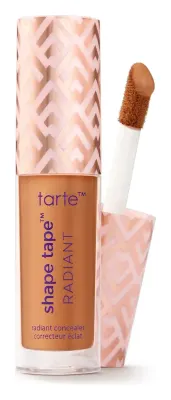 tarte travel-size shape tape™ radiant concealerAmazon
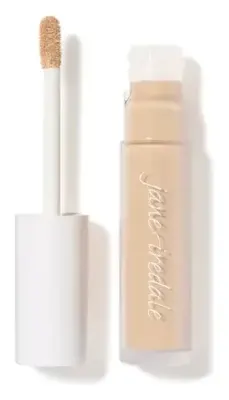 Jane Iredale PureMatch Liquid ConcealerAmazon
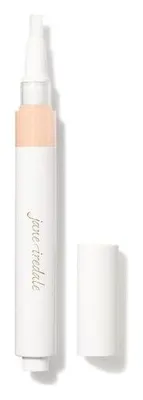 Jane Iredale Skintuition Brightening Under Eye Concealer with Active Peptide ComplexAmazon
Full-Coverage Camouflage & Liquid Foundations (6)
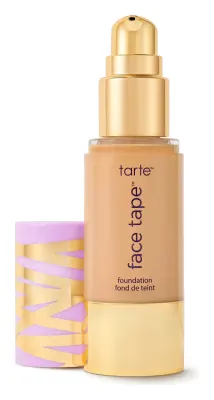 tarte face tape™ foundationAmazon
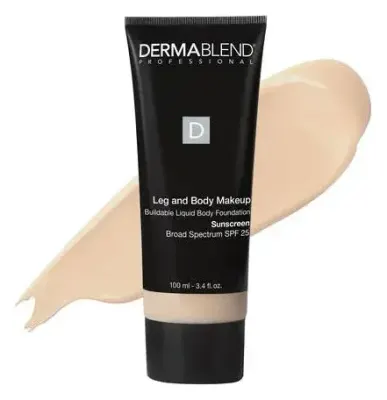 Dermablend Leg and Body MakeupAmazon
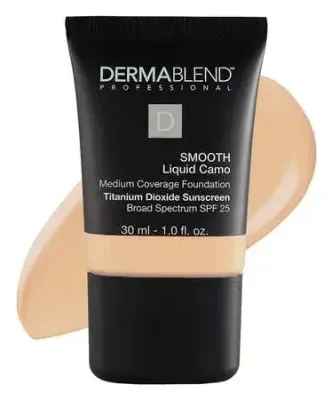 Dermablend Smooth Liquid Camo FoundationAmazon
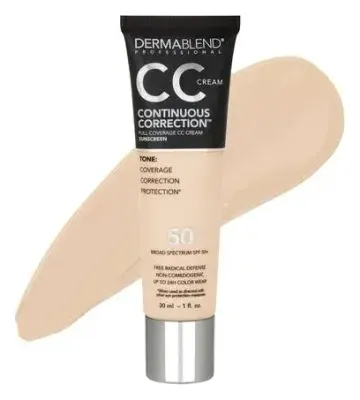 Dermablend Continuous Correction™ CC Cream SPF 50+Amazon
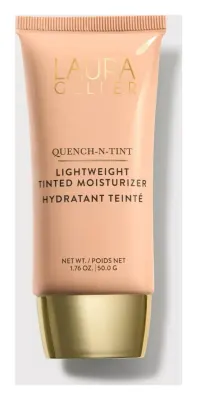 Laura Geller Quench-n-Tint Lightweight Tinted MoisturizerAmazon
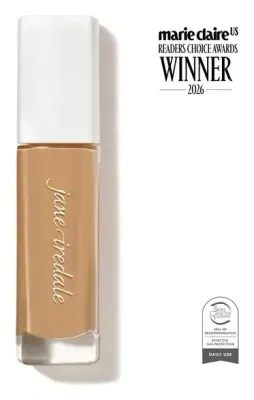 Jane Iredale Skintuition SPF 30 Radiance-Boosting Liquid FoundationAmazon
Blush, Bronzers & Highlighters (3)
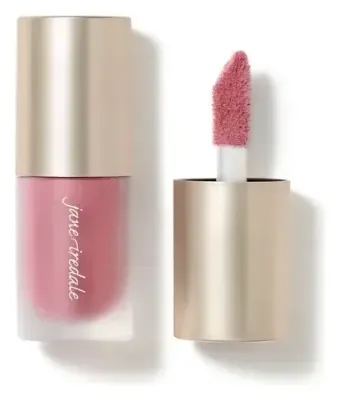
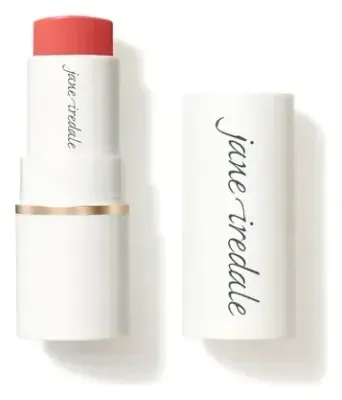
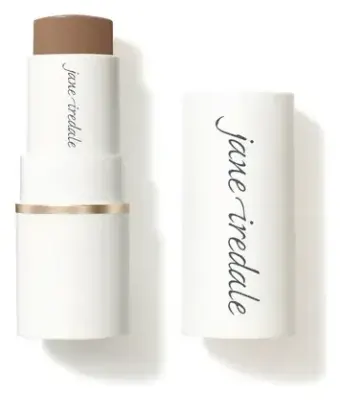
Premium Overnight Recovery Packs & Sleeping Facials (1)

Dermatological Acne & Chemical Exfoliating Liquids (1)
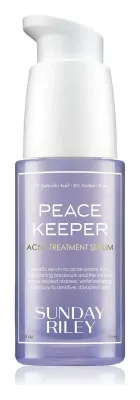
Premium Double-Cleansing Balms & Melting Gels (1)
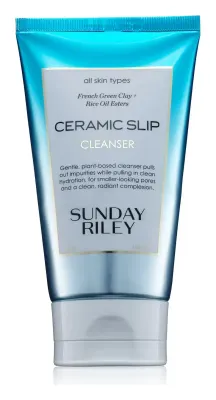
Mineral Pressed Powders & Skin-Nourishing Primers (1)

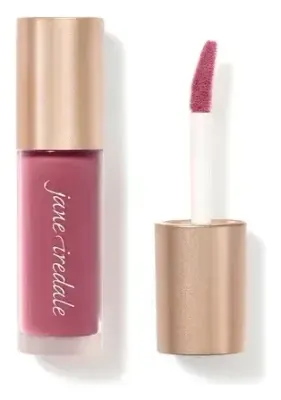
Lipsticks, Glosses & Lip Liners (1)
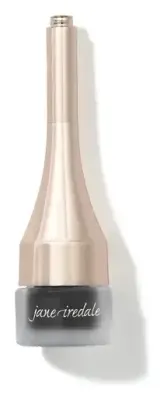
Eye Shadows, Liners, Mascara & Brow Makeup (1)
Common questions
What does disteardimonium hectorite do in makeup?
It helps thicken and stabilize a formula. In pigmented products, it can help keep solids distributed rather than settling quickly.
Is disteardimonium hectorite a clay?
It is based on hectorite, a mineral clay, that has been modified with an organic ingredient. The resulting material is used as a texture and suspension helper.
Is disteardimonium hectorite an active ingredient?
No. It is included to help control how a formula feels and holds together, not to provide a direct skincare benefit.
Can disteardimonium hectorite clog pores?
A single comedogenic rating cannot predict how a complete product will feel on you. The rest of the formula and your own preferences matter more than this one thickener.